

The Protea cricketer who started a thriving container coffee company in South Africa



Rassie van der Dussen was a mainstay of the Proteas for several years and is one of the founders of one of the country’s most unique coffee chains.
Van der Dussen started his international cricket career in 2018, after being called up for a T20 match against Zimbabwe.
He made his Protea debut at 29, after spending years in South Africa’s domestic league, and quickly became a fixture of the national side.
In 2019, he was named in South Africa’s men’s cricket World Cup squad, and would receive the same honour in 2023 when the Proteas placed second.
In his Protea career, Van der Dussen played 71 One Day International (ODI) matches for South Africa before retiring from the team in April 2026.
During his ODI career, he made over 2,600 runs, scoring a century in six matches and hitting 50 sixes.
While his international career was unfolding, Van der Dussen stepped into the business world, founding Abantu Coffee in 2020.
This was not Van der Dussen’s first business venture, as the cricketer had tried several before Abantu took off.
Initially, the business partners planned to sell coffee beans to local shops, but this plan fell short, leading the pair to start their own coffee shop.
The first Abantu was opened in the High Park Centre in Centurion, Pretoria. Since then, the business has expanded to ten stores in Gauteng.
Van der Dussen previously spoke to DailyInvestor about the company’s founding, and said its first location was chosen for several reasons.
“We thought it would be a perfect spot as it was on the outskirts of the neighbourhood where all the cars had to pass by on their way to the major traffic routes,” he said.
This first store was opened on 5 September 2020, and slowly gained popularity until people were lining up outside the business.
Container stores
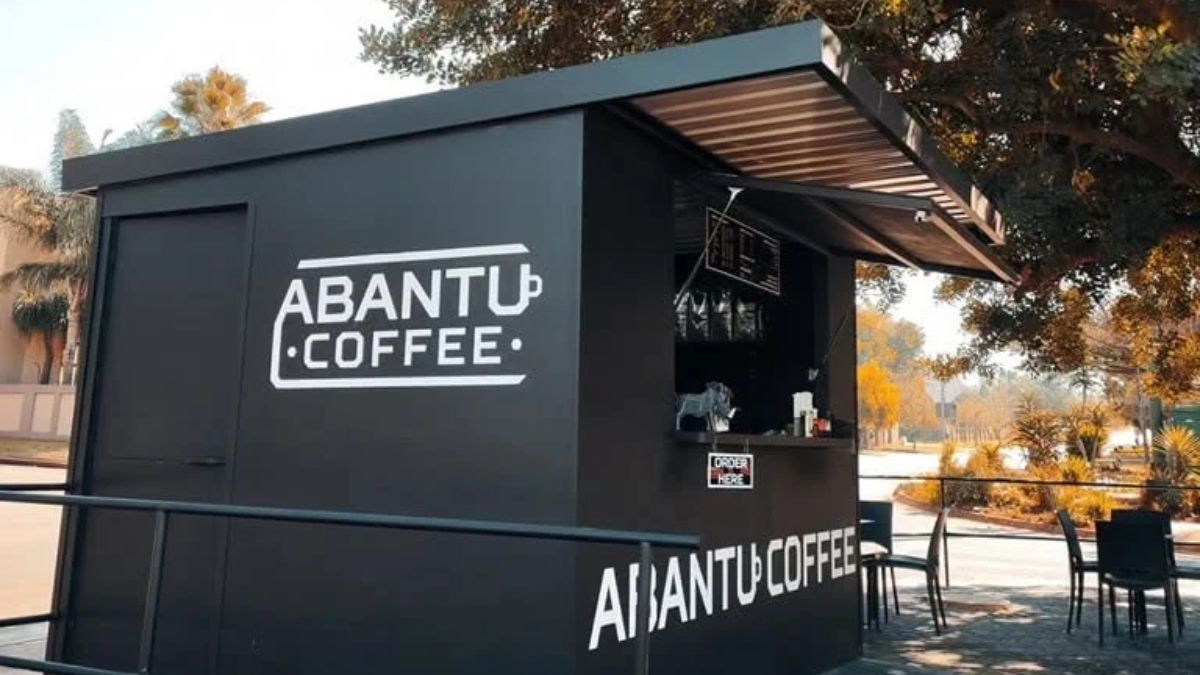
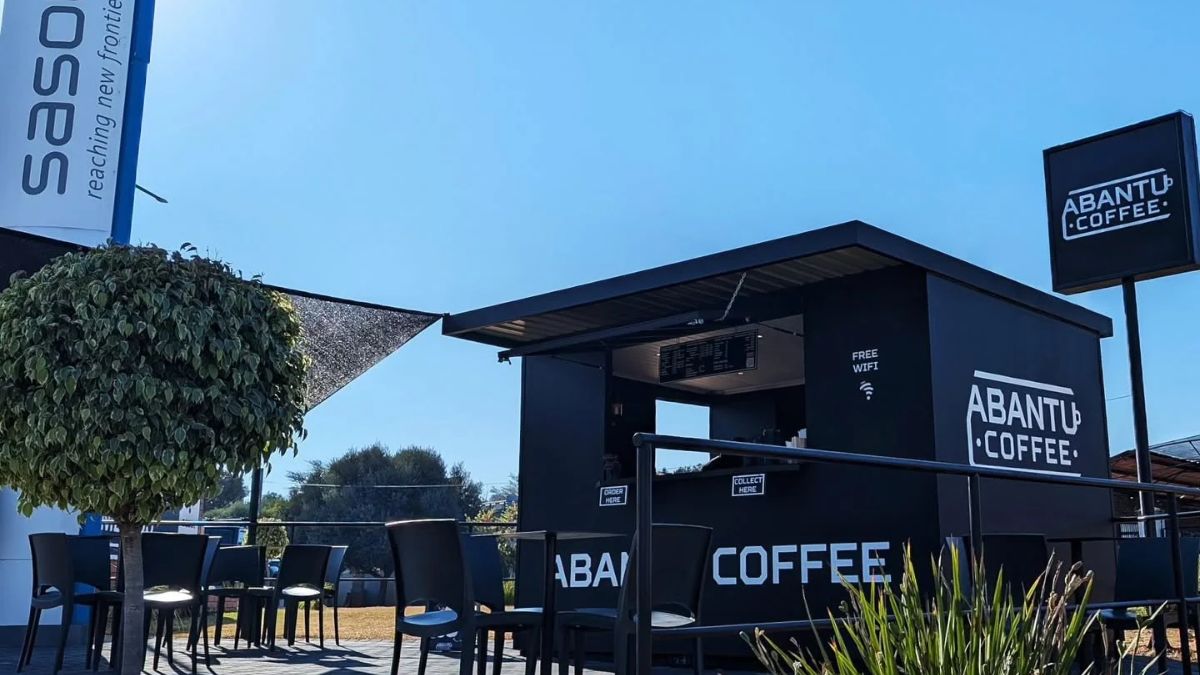
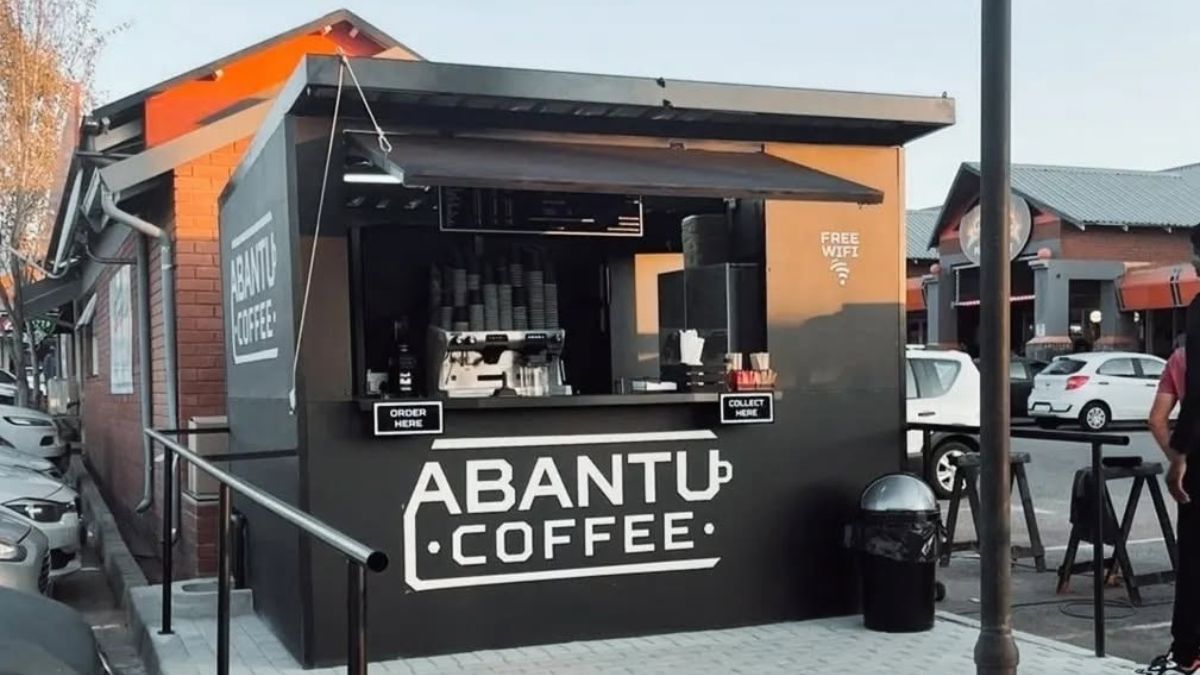
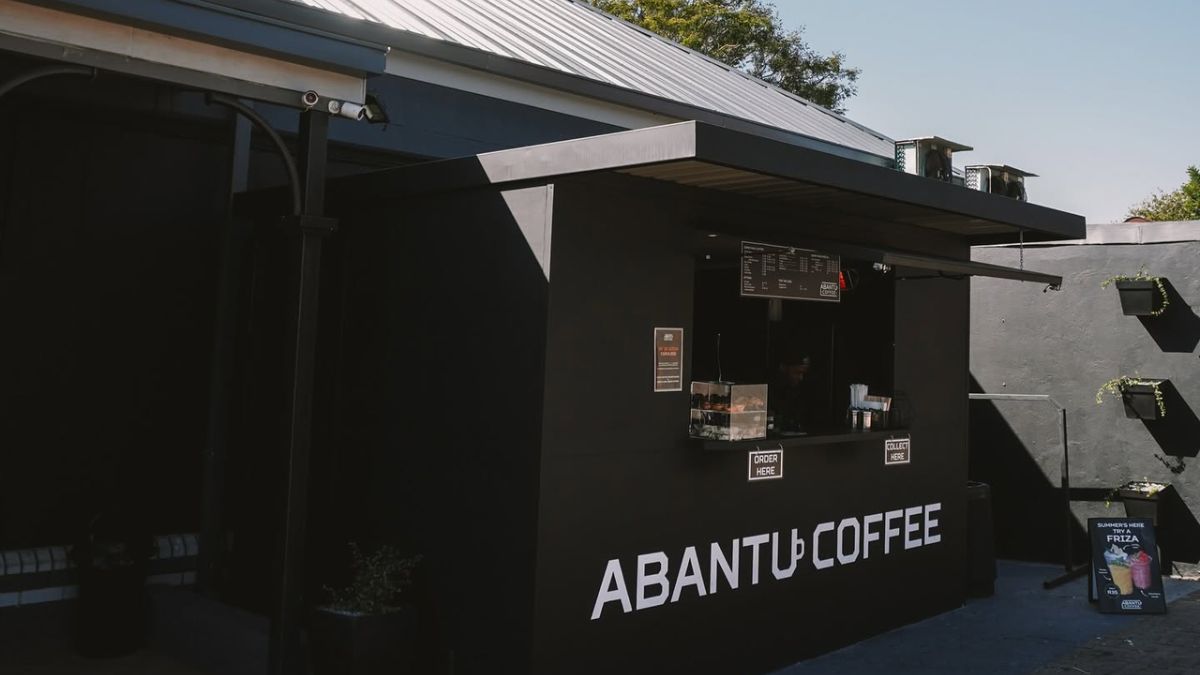
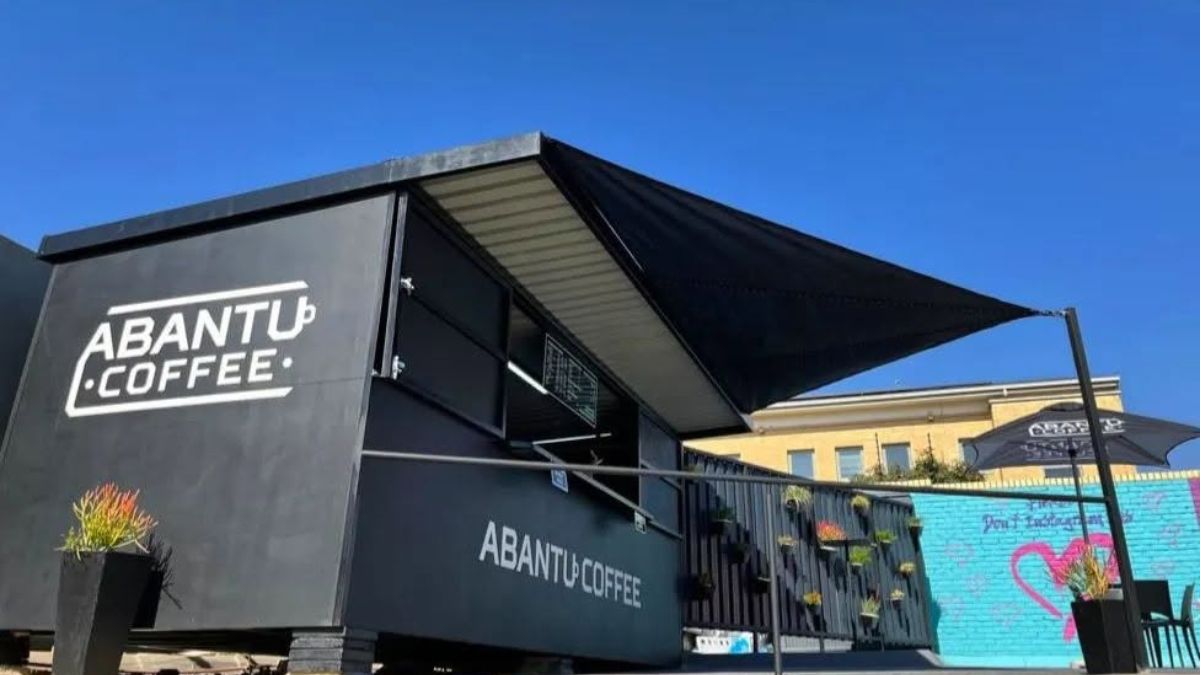
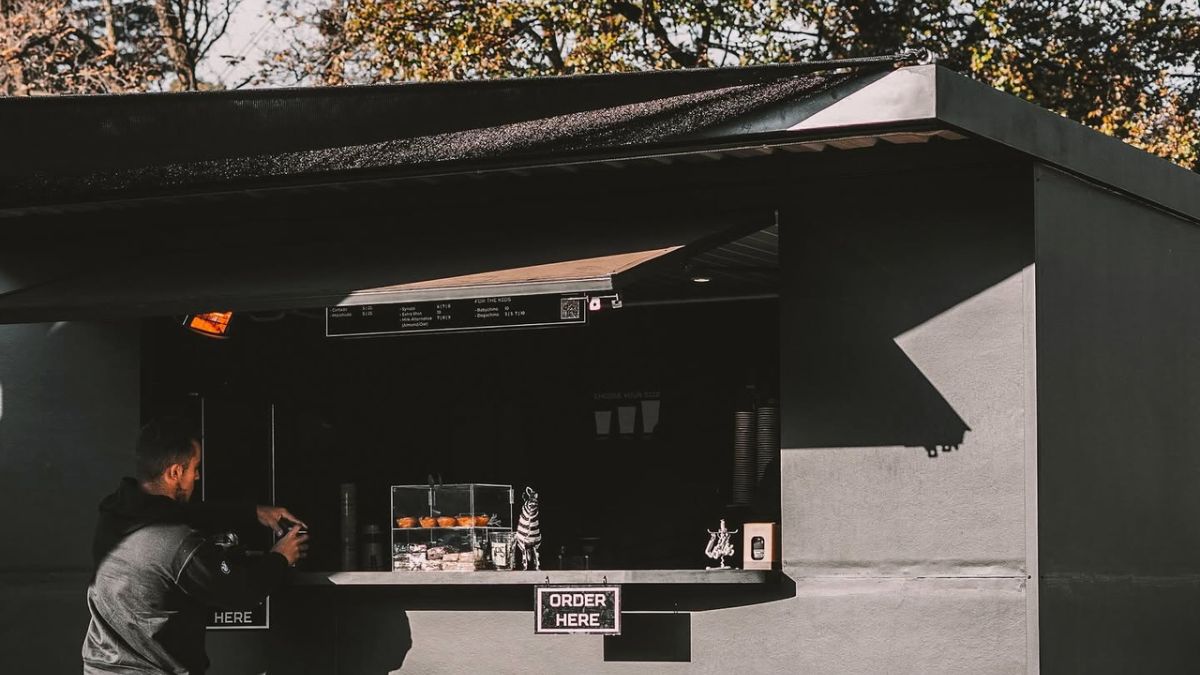
One of the standout features of Abantu Coffee is its store format, as its shops are housed in container-like structures rather than traditional brick-and-mortar stores.
Van der Dussen said this unconventional format had caused issues for the company in the beginning, as people were not willing to lease them the type of space they wanted.
“When we started, landlords and agents would often try to force us into conventional retail space, and when we communicated to them that our concept is different, we would often be met with a no,” he said.
“We have an unconventional model, i.e. using unwanted space and turning it into something that benefits the community and the surrounding areas.”
The idea of using unwanted spaces is echoed on the company’s website, which said, “Our aim is to use unwanted or open spaces in a creative way to create an environment where people can grab a cup of coffee on the go”.
The business’s small-store format lets it fit into underutilised or overlooked spaces and resemble shipping containers in shape and style.
For a year after the company’s founding, Van der Dussen worked behind the scenes to ensure that his status as an international sports figure did not influence its success.
Even without a boost from the founders’ status, Abantu Coffee took off, with plans to continue growing the business already in place.
Abantu is not alone in South Africa’s coffee boom, with several stores seeing major growth in recent years.
This includes chains such as Plato and Vida e Caffe, which have both grown exponentially in the last decade.
For Plato, this growth has seen the company open an average of 20 new coffee shops per year since it started, and Vida has averaged roughly 16 per year since its founding.
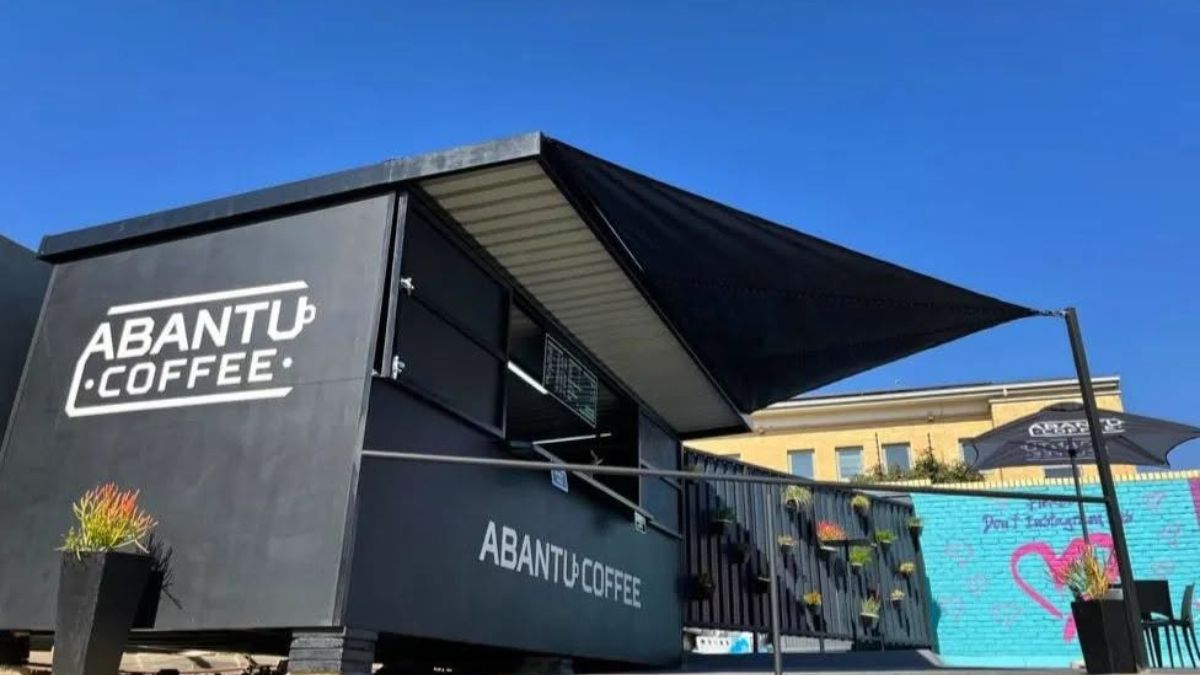
Photos of Abantu coffee shop


















 Loading ...