

The South African boss who went from earning R1.2 million to R67 million in just five 5 years


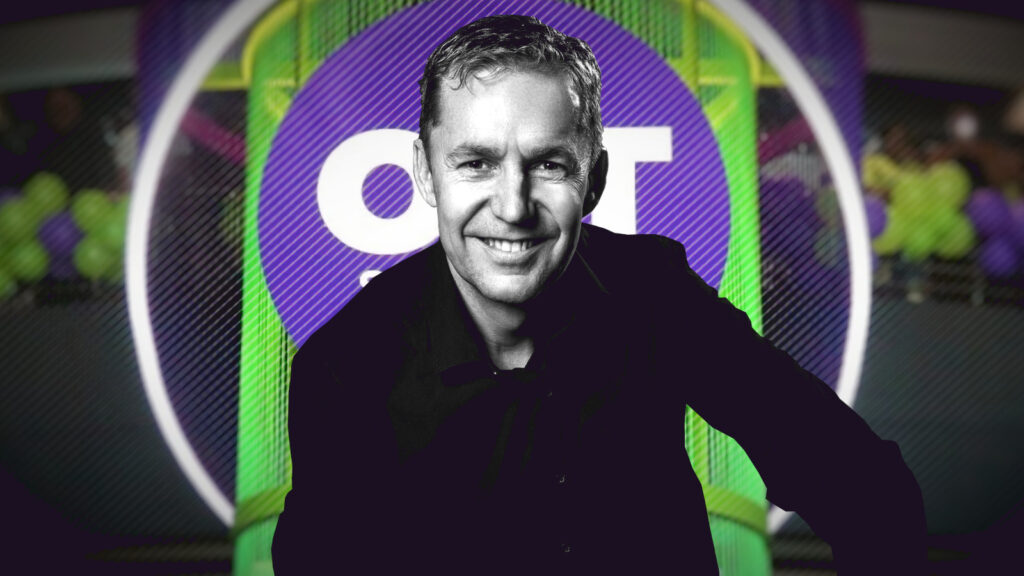
Outsurance Group CEO Marthinus Visser earned over R83 million in 2026 for his executive role, with most of the remuneration coming from performance incentive schemes.
Visser has served as the group’s CEO since 2018 and has been with the company since 1998, when he first joined as a senior actuary.
For 2026, the group CEO will take home approximately R83.4 million in total remuneration, with a basic guaranteed pay of R8.1 million.
This means that Visser’s guaranteed pay only comprised 9.7% of his total salary for 2026, with short-term incentives (STI) accounting for 10.1%.
The remaining 80.2% of the executive’s salary is from Long-Term Incentive Plans (LTIP), which totals approximately R66.9 million for the year.
In total, Visser’s annual remuneration for 2026 is approximately 57% higher than the previous year, at nearly R53 million.
While the CEO’s guaranteed pay has risen steadily over the last five years, his LTIP earnings have surged over the same period.
In 2022, remuneration from these incentive plans totalled R1.2 million, less than his guaranteed pay.
Along with his remuneration, Visser will also receive remuneration for his minority shares in Outsurance Holdings (OHL) in the form of Outsurance Group (OGL) shares.
The company previously announced that it would acquire the minority shares of OHL in exchange for OGL shares, in a bid to simplify its corporate structure.
Currently, the Outsurance Group owns a majority of the company and is now looking to make it a wholly owned subsidiary.
Visser was one of the minority shareholders in OHL, which is responsible for most of the group’s insurance and administrative operations, owning roughly 2.01% of the company.
As part of the transaction, Visser’s shares in OHL will be exchanged for OGL shares, creating a single shareholder level.
Group CEO salary, five-year view
| Year | Basic salary | STI | LTI | Total |
|---|---|---|---|---|
| 2022 | R6,347,250 | R6,473,091 | R1,206,150 | R14,026,491 |
| 2023 | R6,785,210 | R7,492,597 | R5,875,740 | R20,153,547 |
| 2024 | R7,463,731 | R8,068,170 | R23,880,168 | R39,412,069 |
| 2025 | R7,859,309 | R8,111,868 | R36,995,400 | R52,966,577 |
| 2026 | R8,071,510 | R8,404,944 | R66,933,918 | R83,410,373 |
Payday for Outsurance execs
Visser is not the only Outsurance executive earning a large amount from the company’s LTIP, with several others having this plan account for a majority of their remuneration.
The group’s chief financial officer (CFO), Jan Hofmeyr, saw his remuneration for 2026 increase by 61.3% from R41.4 million to R66.8 million.
R53.5 million of this total remuneration was in the form of benefits derived from LTIP schemes, which accounted for 70.7% of his total earnings.
Hofmeyr resigned from his position at Outsurance earlier this year, planning to join Pepkor’s new banking operations.
Danie Mathee, the CEO of Outsurance’s South African operations, also earned a high salary of nearly R63 million, with 79.5% coming from LTIP benefits.
The company’s executives saw a strong boost to their earnings through LTIP benefits, which are awarded based on performance.
The company said the high LTIP benefits reflect the group’s strong financial performance over the past year.
“The LTIP gains have been significant following the strong operating performance, which has translated to a higher market capitalisation of the Group,” it said.
In contrast to high executive earnings, the Outsurance Group noted that the lowest annual salary among South African employees was R65,141, excluding internships or other learning roles.
The company said the median actual salary for its senior management was R8.14 million, with the highest annual earnings in this category reaching R76.8 million.
For its sales employees linked to partnerships, the median salary was R329,315 per year, while the lowest in this category was R65,141.
The requirement for companies listed on the Johannesburg Stock Exchange (JSE) to disclose their highest and lowest salaries is fairly new and is intended to provide transparency in a company’s operations.
Outsurance said this disclosure provides a “transparent view of remuneration distribution across the organisation.”
















 Loading ...