

Ramaphosa’s plan to give one group of South Africans 2.5 million hectares of land


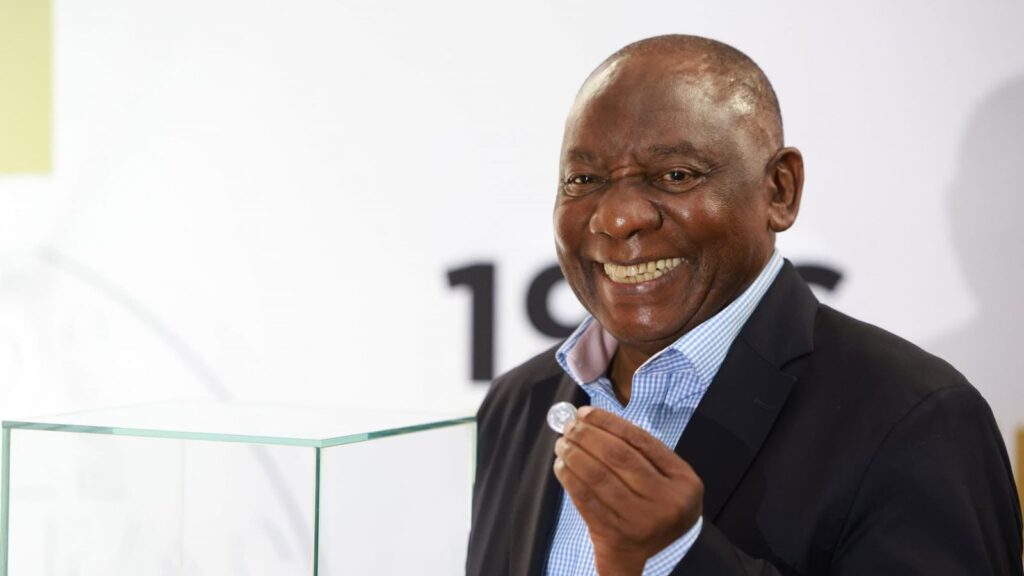
President Cyril Ramaphosa says that the government will release 2.5 million hectares of state-owned land to black farmers to help boost the country’s agricultural base.
This comes as South Africa relies on a “relatively small segment of the population” to meet its food needs, which is unsustainable.
In his weekly letter to the nation, the president flagged that South Africa has “two agricultures”.
This is a situation where predominantly white-owned commercial farms account for the bulk of the country’s commercial farming output, while black farmers only account for around 10%.
The figures quoted by Ramaphosa are attributed to a source.
However, fact-checkers have addressed the topic of crop production, and academics have tackled the topic of land ownership.
Nevertheless, the president said the current makeup of agriculture in the country poses risks.
“Being reliant on the productive capacity of a relatively small segment of the population to meet our country’s food needs is unsustainable,” he said.
“Our population is growing, and with it the demand for food.”
Ramaphosa said bringing more black farmers into the fold is critical not only for the country to address inequalities in the agricultural sector but also to expand South Africa’s agricultural base.
“We have to build a pipeline of skilled and productive commercial farmers who can sustain the sector. We must equip aspiring farmers with the skills, mentorship, training, technologies and other resources to farm successfully commercially,” he said.
The president said that giving a new generation of farmers access to land and providing them with titled access to it was only the first step of this process.
With the government’s ‘Proactive Land Acquisition Strategy’ releasing 2.5 million hectares of state-owned land across the country to black farmers, the industry also needs to equip them, he said.
“Knowledge of crops, weather, animal disease and the like is gained from practical experience and learning from established farmers,” he said.
He acknowledged programmes already in place by various associations that are working to establish these training lines.
This includes associations such as the Citrus Growers’ Association, Grain South Africa, National Wool Growers’ Association, Potatoes South Africa, Red Meat Industry Services, Milk Producers’ Organisation, and Fruit South Africa.
Black farmers need access to capital
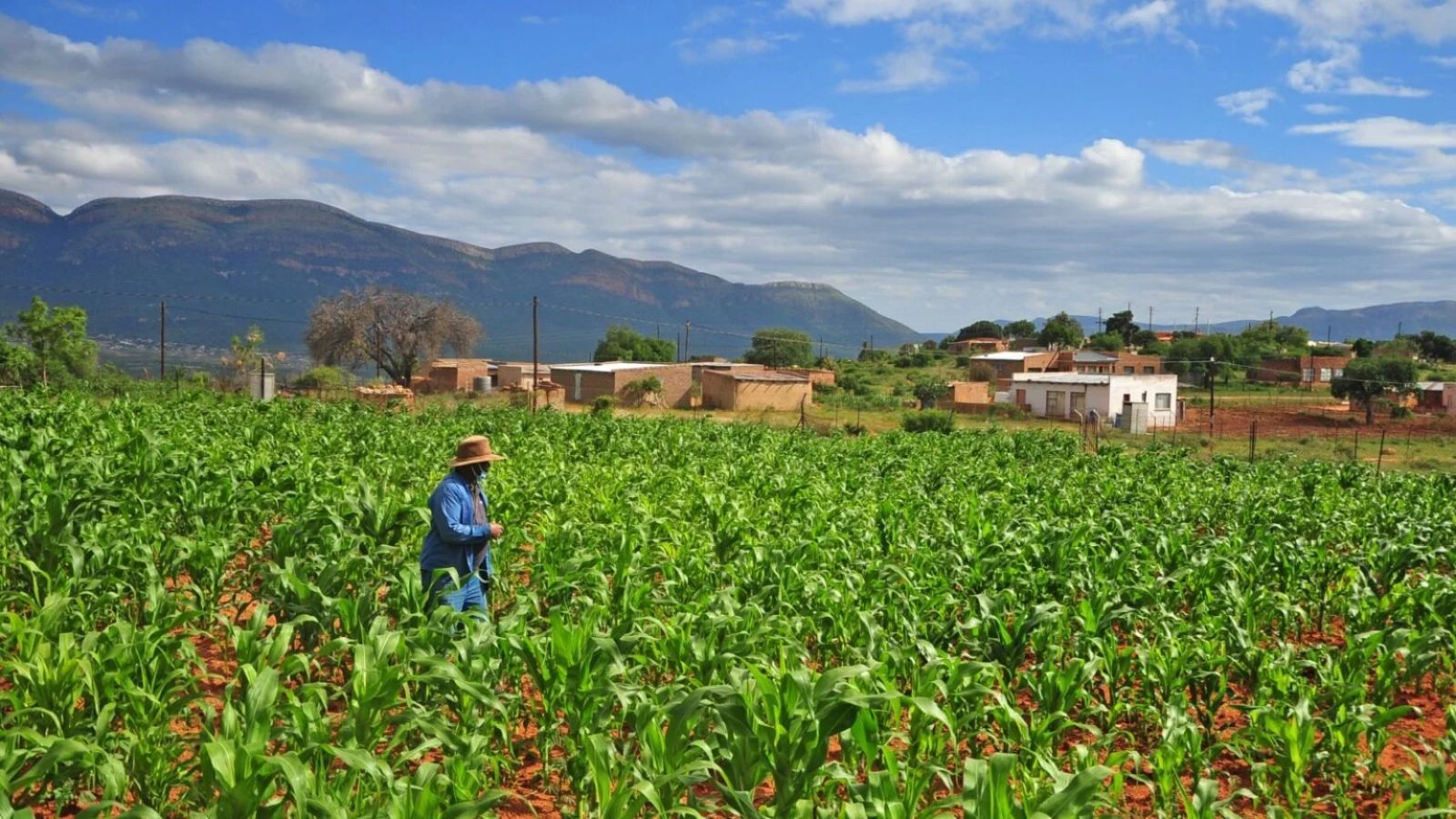
Ramaphosa added that another factor needed to build new farming franchises is access to affordable capital.
“The Land Bank, together with the Department of Agriculture, started the blended finance instrument to address this funding aspect,” he said, adding that commercial banks have also joined the programme.
“We want to encourage other agribusinesses and commercial banks to join the blended finance programme and to develop more funding instruments to support agriculture.”
The president noted that growing the agriculture sector also holds the key to address the country’s job crisis.
The farming sector in South Africa employs around 944,000 people, with an additional 200,000 workers employed across the broader value chain.
The sector has more than doubled since 1994, with South Africa the world’s 32nd-largest agricultural exporter, recording exports of R270 billion in 2025.
The country exports a variety of agricultural products, including table grapes, maize, beef, wine, citrus, sugar, and wool.
“Agriculture is a sector that holds immense potential for growth and jobs,” Ramaphosa said.
“We can bring more land under cultivation, create a new generation of black commercial farmers and ensure that we grow enough not only to feed all our people, but to sell to markets across the world.”

















 Loading ...