

Important update for severe weather coming to South Africa


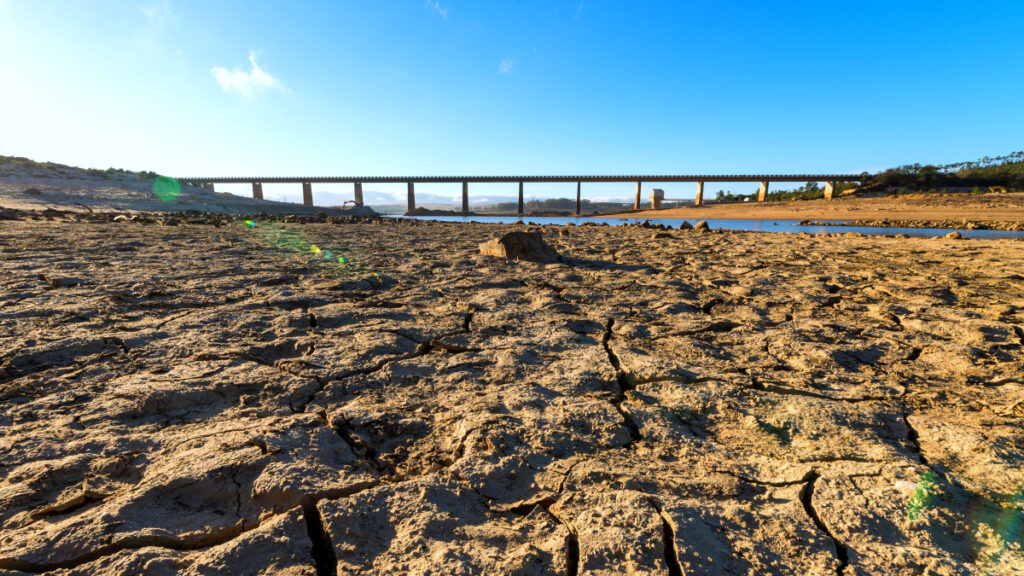
The World Meteorological Organisation (WMO) has called on communities across the globe to prepare for El Niño, which is reported to reach unprecedented levels by December 2026.
The latest WMO Global Seasonal Climate Update shows that El Niño is forecast to exceed the scale of global monitoring charts used over the past four decades.
The WMO said that for many regions across the globe, the impacts of El Niño will be felt into the next year.
“As El Niño intensifies and fuels more extreme weather, it could compound humanitarian needs, particularly among refugees, conflict-affected communities, displaced people and other vulnerable populations,” said the WMO.
Agricultural Business Chamber of South Africa (Agbiz) Chief Economist, Wandile Sihlobo, said that droughts caused by El Niño could put additional pressure on the country’s food security, which could elevate poverty across Southern Africa.
“From what we are hearing from the meteorologists, we will be heading towards quite a difficult drought this time around,” said Sihlobo.
In a social media post, Sihlobo explained that, amid this El Niño drought, which may lead to crop failures in Southern Africa, food insecurity will likely rise.
Sihlobo explained that in the past, during natural disasters, organisations such as the World Food Programme (WFP) imported grain for the most affected countries and helped fight poverty.
However, Sihlobo raised concerns about the next season, as the US Administration has reduced its funding.
Due to funding cuts from the US, regional drought relief from organisations like the WFP may be significantly less available and global humanitarian aid is being redirected to active war zones.
“This means that the government in Southern Africa must prepare for what could be a challenging period for households and farmers.”
According to Sihlobo, the current stocks from the 2025/26 production season should sustain supplies until around June 2027. However, conditions are expected to worsen significantly after mid-2027.
Rising fuel costs are making matters worse

The severe weather impacting the agriculture sector is occurring alongside other external pressures, such as rising fuel costs.
In October, motorists and industrial fuel users experienced a R3 per litre increase in petrol and diesel prices, pushing pump prices over R30 per litre for the first time in history.
Under-recoveries are once again building for November, currently hovering around similar levels. These increasing costs are affecting farmers, particularly with the looming El Niño.
According to Annabel Bishop, Chief Economist at Investec, the agricultural sector plays a significant role in South Africa’s GDP.
Last year, the sector contributed to 1.1% year-on-year growth, supported by favourable La Niña conditions, while overall GDP growth, excluding agriculture, was only 0.7% year-on-year.
Forecasts for South Africa’s GDP growth have already been revised downwards, and the outlook for 2027 appears dimmer.
Bishop now anticipates a GDP growth rate of 1.5% year-on-year in 2027, a decrease from the previous projection of 1.7% year-on-year.
“However, much depends on the global economy and, in particular, good governance and growth-creating reforms in South Africa that overcome the structural constraints to economic growth rapidly for the country,” she said.
She also pointed out that inflation is likely to increase, driven by fuel costs and weather conditions.
“CPI inflation risks being above 5.0% y/y when it enters the dry period from the El Niño, and the double-whammy could see higher interest rates as the SARB battles inflation,” she said.
This could negatively impact GDP growth, and the already revised GDP forecast for next year, currently at 1.5%, may turn out even lower as a result.


















 Loading ...