

United States deals severe blow to South Africa


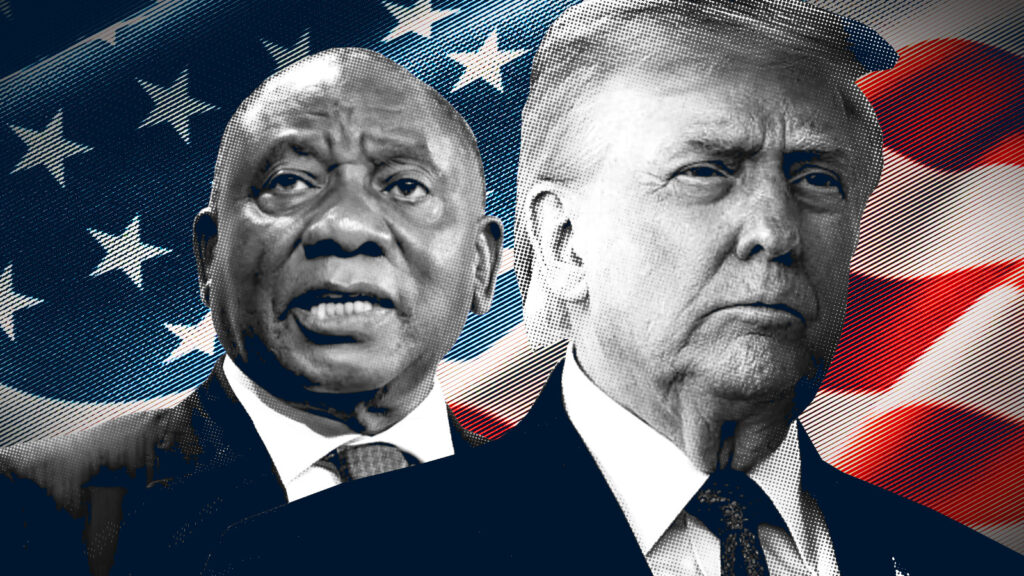
The United States has decided to remove South Africa from the African Growth and Opportunity Act (AGOA), ending duty-free access to its markets for key industries.
The Office of the United States Trade Representative (USTR) announced the decision on Monday (2 November), stating the intention to remove the country from the list of eligible nations, along with Rwanda.
President Trump notified the US Congress and the governments of Rwanda and South Africa of his intent to terminate them from the programme as of January 1, 2027.
“The Office of the United States Trade Representative led the annual interagency review of sub-Saharan African countries’ eligibility for the AGOA trade preference program,” the office said.
“Based on the review, President Trump found that the governments of Rwanda and South Africa are engaging in practices that are inconsistent with AGOA’s eligibility criteria.”
The “concerning and pervasive practices” include, but are not limited to, barriers that undermine American trade and investment, and practices that threaten US national security and foreign policy interests in the region.
“The Trump Administration is working to ensure our African partners take the necessary steps to meet the eligibility criteria,” it said.
In South Africa specifically, the Trump Administration is “deeply concerned by barriers to US trade and investment, corruption, and threats to US national security and foreign policy interests.”
AGOA was enacted in 2000, and South Africa has been the largest beneficiary of the programme over the last 25 years, accounting for 54% of all AGOA-related exports to the US.
The programme provides eligible sub-Saharan African countries with duty-free access to the US market for more than 1,800 products.
This is in addition to the more than 5,000 products eligible for duty-free access under the Generalised System of Preferences programme.
The programme expired in September 2025, but was retroactively extended to December 2026 back in February.
It was finally extended to the end of 2028 at the end of September. However, with diplomatic ties between South Africa and the US fraying over the past two years, its continued eligibility was in question.
According to Presidential Envoy on Agriculture and Land, Wandile Sihlobo, the loss of AGOA would add a 3.4% tariff onto the 12.5% tariffs the United States already has in effect against South Africa.
While this reflects a worse-off situation, he noted that a 15.9% tariff is still much better than the 30% tariff the country faced when the “liberation day” tariffs were implemented in 2025.
Not detracting from the harsh impact of being removed from AGOA, the economist said that it likely wouldn’t be a catastrophe.
Moving to Plan B
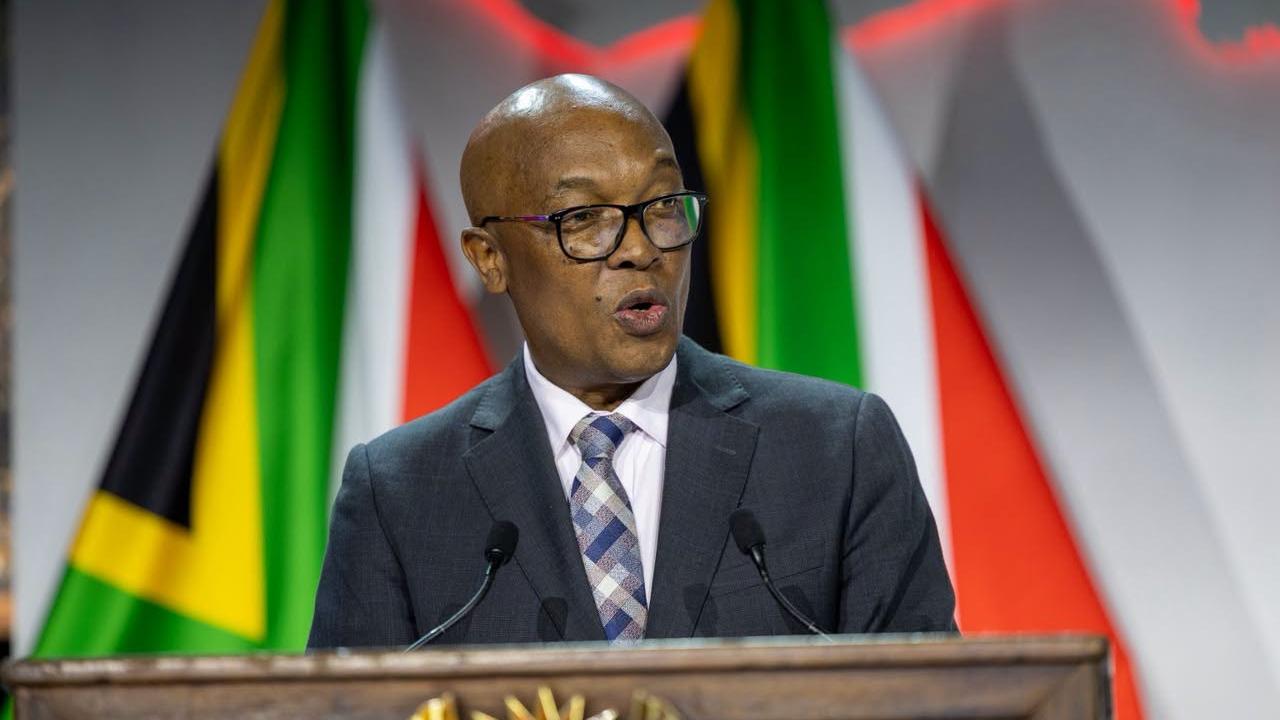
Ahead of the announcement, Minister of Trade, Industry and Competition, Park Tau, said that the government was prepared for the outcome.
He also noted that South Africa will have 60 days to address concerns raised by the United States before any suspension, full or partial, could take effect.
Tau said that South Africa would continue to engage with the United States and try to forge a trade agreement beyond AGOA.
He added that the country is also pursuing opportunities in other markets.
This includes implementing the Cabinet-approved Industrial Development Strategy and the “Butterfly Strategy”.
Through these, South Africa is opening markets across the African Continental Free Trade Area, India, SADC, the European Union, the United Kingdom, the Association of Southeast Asian Nations, MERCOSUR and China.
[Sihlobo also stressed that removal from AGOA is not a trade ban with the United States, and exports will continue.]
He added that the US remains an important market for South African agriculture, accounting for about 4% of agricultural exports.
Main exports include citrus, berries, grapes, raisins, wine, fruit juices, apples, pears, apricots, and nuts.
The reality is, however, that export diversification is now more important than ever, particularly opening up new markets in the Middle East and Asia.
But export diversification is not a replacement for the US, EU, UK, Africa, and other markets, he said.
“These remain key, and we must work to retain our access to them.”

















 Loading ...