

Another warning to anyone with a banking app on their phone in South Africa



South Africans who use banking apps on their smartphones are being warned to be extra cautious when approving payment requests.
This is according to Discovery Bank, which noted that fraudsters are increasingly manipulating customers into authorising transactions themselves rather than trying to hack bank accounts.
In a recent fraud alert, Discovery Bank warned customers that criminals can exploit a stolen phone or bank card within minutes if action is not taken immediately.
“Always check payment and card purchase requests before approving them. Banks will never ask you to approve a reversal of a fraudulent transaction,” the bank said.
It added that anyone who loses their card or phone should block their card immediately through the banking app if possible and contact the bank’s fraud team without delay.
“If you have access to your banking app, block your card, then contact our fraud team straight away. Fraudsters can misuse lost cards and devices within minutes,” Discovery Bank warned.
The alert comes as fraud-prevention specialist BioCatch revealed that South African banks are facing growing pressure from increasingly sophisticated scams that target customers rather than banking systems.
According to the company’s latest research, 85% of South African banking leaders have seen an increase in fraud attempts against their institutions.
Around 79% said fraud losses are increasing, while 81% estimated their institutions lose more than $5 million, or roughly R82 million, to fraud every year.
The findings suggested that criminals are changing tactics because banks have become far better at preventing traditional unauthorised account takeovers.
Jonathan Frost, Director of Global Advisory at BioCatch, said this is a trend affecting many countries. “I think we are facing a challenge, not just in South Africa, but in pretty much all of the developed markets,” Frost said.
“The banks have done such a good job at preventing unauthorised fraud that, unfortunately, customers have been put very solidly in the crosshairs of fraudsters.”
Banks are strengthening their fraud detection systems
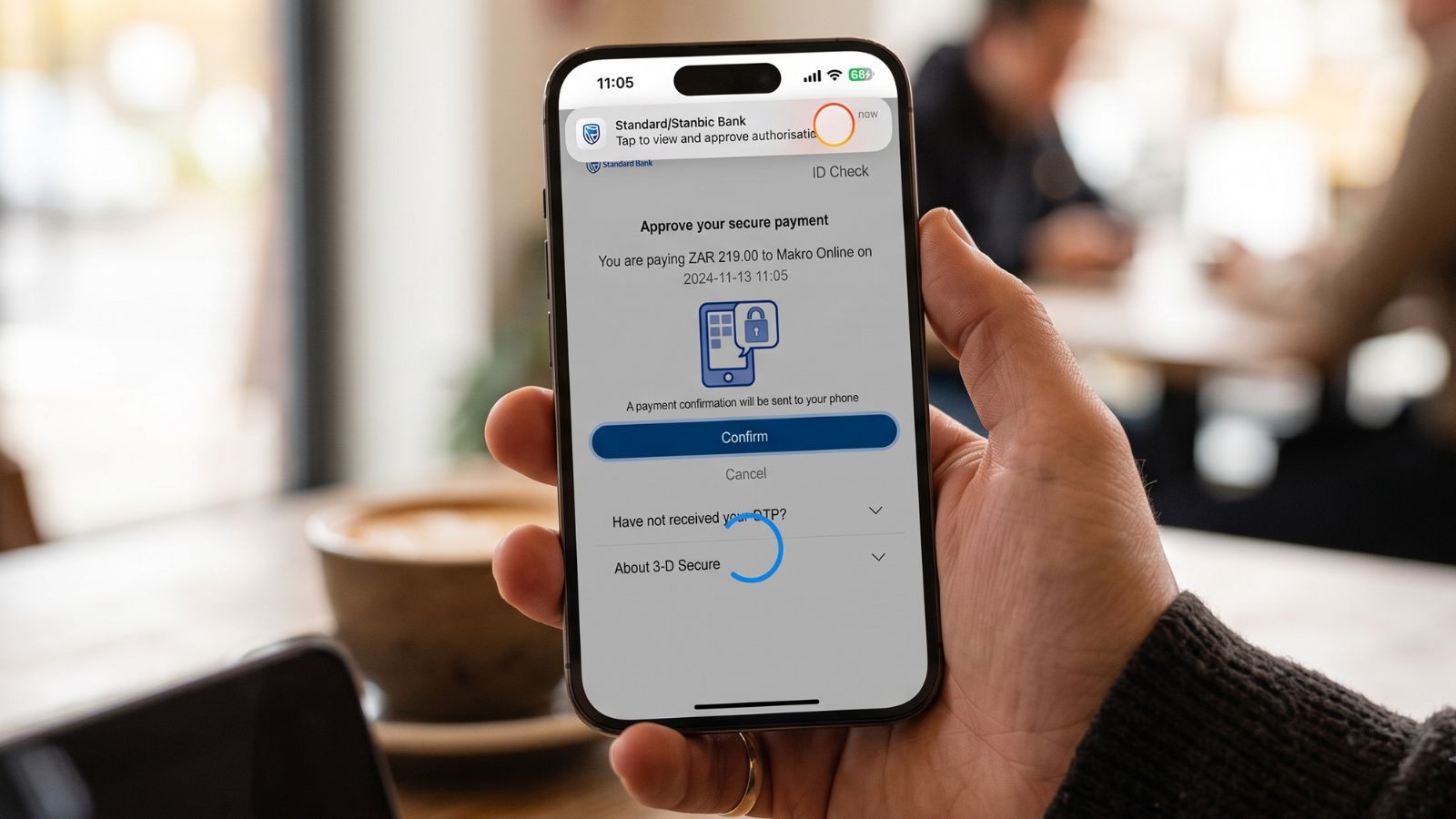
Instead of breaking into bank accounts, criminals now focus on convincing victims to send the money themselves or approve fraudulent payments through their banking apps.
“The security around bank accounts is generally so good now that the only way you can get the money out of the account is to effectively manipulate the customer into sending it on your behalf,” Frost explained.
The rapid growth of digital banking and instant payments has made banking faster and more convenient, but it has also given scammers more opportunities to pressure victims into approving transactions before they have time to think.
Frost warned that the threat is likely to become even more serious as criminals increasingly use artificial intelligence to create more convincing scams.
“It looks like it will probably worsen before it gets better. We’re now entering a new phase of an evolving threat environment,” he said.
Banks are responding by strengthening their fraud detection systems. Bonolo Sebolai, Head of Fraud at GoTymeBank, said banking security now extends far beyond passwords and one-time PINs.
Sebolai also encouraged customers to protect themselves by downloading apps only from official app stores, hanging up and contacting their bank directly if a call or message seems suspicious, and acting immediately if they believe their phone has been compromised.
The warning follows a sharp increase in digital banking fraud complaints reported by the National Financial Ombud Scheme (NFO). Cases jumped by 73%, rising from 1,436 between January and May 2024 to 2,483 during the same period this year.
The NFO has also highlighted growing risks involving virtual banking cards after one victim lost R500,000.
Lead Ombud for Banking and Credit, Nerosha Maseti, said virtual cards remain secure but can be exploited if criminals first gain access to a customer’s banking app through phishing, smishing or vishing scams.
“Fraudsters can create virtual cards and then use the virtual card credentials to perform transactions once gaining access to a customer’s digital banking profile after customers have shared OTPs or approved authentication prompts,” Maseti said.


















 Loading ...