

Warning to anyone who pays with a bank card at shops in South Africa


Consumers who use bank cards to pay for everyday purchases are being warned not to automatically accept additional charges simply for using a point-of-sale (POS) machine.
National Consumer Commission (NCC) spokesperson Phetho Ntaba said the commission has received queries and complaints about shops adding fees to transactions when customers pay by card.
Most of the complaints involve independent traders or spaza shops, and these charges can reportedly range from about R2 to R10, depending on the value of the purchase.
Ntaba said the Consumer Protection Act (CPA) is clear that suppliers cannot charge consumers a price that differs from the price they have displayed.
“The CPA is very clear that a supplier cannot charge a consumer a price that is outside what they have displayed,” she said.
The NCC has therefore issued an advisory to retailers, warning them against adding charges to customers’ purchases simply because they use a card.
Ntaba said the practice can take advantage of consumers, particularly those who choose card payments because carrying cash may be unsafe.
Ntaba acknowledged that some shop owners may not realise that the additional charge is not permitted.
Some businesses invested in POS machines to make transactions easier and safer for customers, but may have subsequently passed the cost of using those machines on to consumers.
“We’ve also noticed that some shops, one is they take advantage, but others are really not aware of how to do certain things,” she said.
According to Ntaba, the cost of accepting card payments should be treated as part of the cost of doing business rather than added to the customer’s bill.
“It cannot be the consumer’s responsibility to pay for that service,” she said, adding that using a card to complete a purchase is not considered a separate service under the CPA.
She compared the cost with other normal business expenses, such as transporting goods from a wholesaler to a shop. “They are supposed to absorb that cost,” she said.
Report them to the NCC
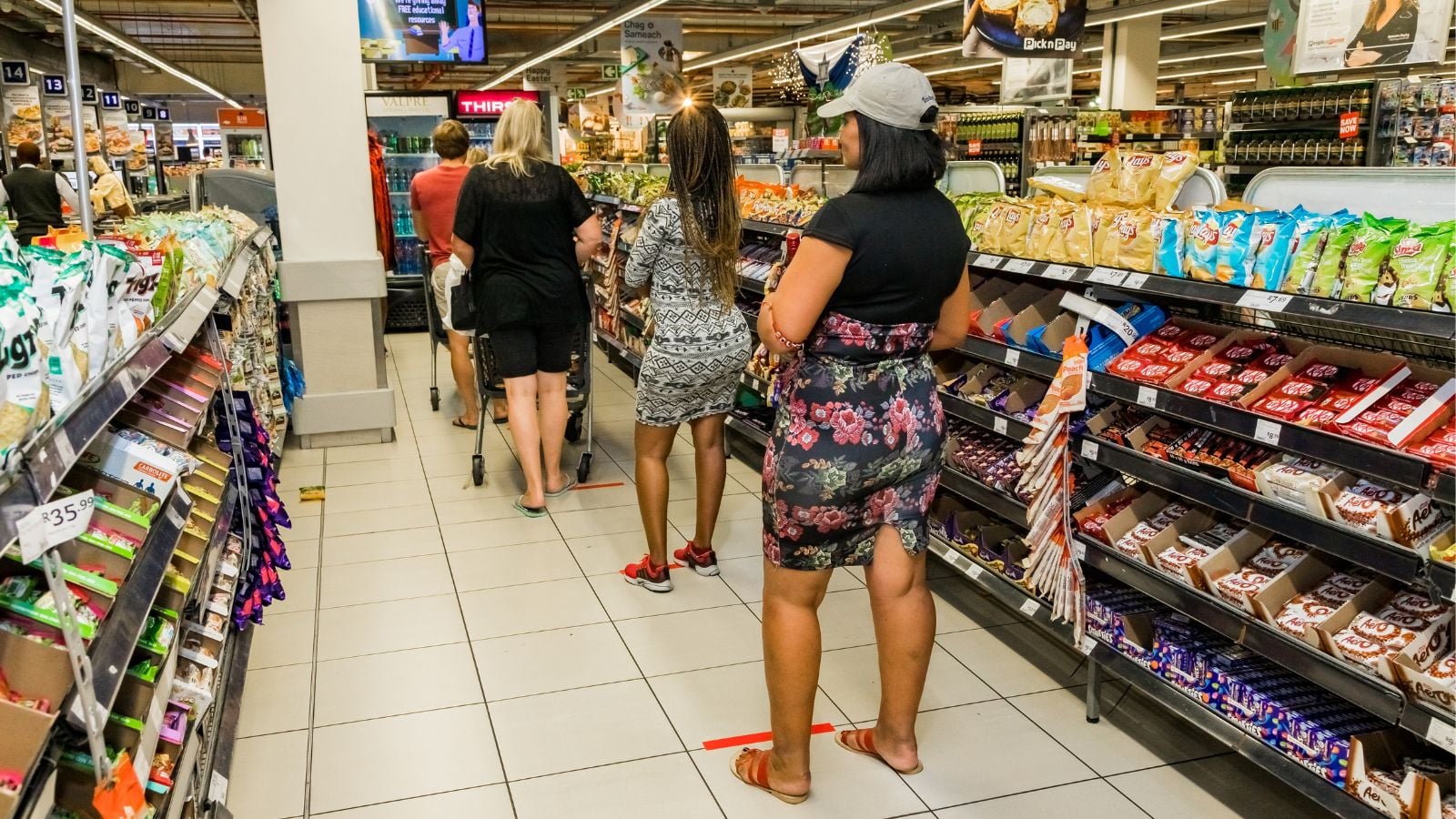
This means a shop cannot simply tell a customer that a loaf of bread, milk, or another product costs an additional R2, R5, or R10 because the customer has chosen to pay by card.
However, Ntaba drew a distinction between paying for goods and withdrawing cash at a spaza shop using a POS machine.
She said cash withdrawals could involve different rules and may need to be considered in the context of the banking ombud.
“As far as goods and services are concerned, based on the Consumer Protection Act, they cannot levy that extra fee, not at all,” she said.
The NCC is also warning consumers about another common issue, which is that products being sold without clearly displayed prices. Ntaba said this contravenes Section 26 of the CPA.
“The law requires either on the product or adjacent to the product,” she said.
Businesses do not necessarily need expensive or sophisticated price displays. However, consumers should be able to see what they are expected to pay before completing a purchase.
Consumers who encounter these practices can report them to the NCC. Ntaba said the commission can be contacted through its contact centre or social media channels, including its X account.
Consumers can also use the NCC’s website and its e-services to lodge complaints. She said the commission wants consumers to report businesses so that it can first educate suppliers about the requirements and, where necessary, enforce the law.
“We do issue compliance notices, or we will be able to take them to the tribunal, just to change this practice,” Ntaba said.














 Loading ...