

Big trouble for medical aids in South Africa


Medical aid schemes in South Africa are seeing new members of all ages joining or downgrading to lower-tier plans, which is leading to much higher contribution increases.
With health insurance products booming in the country, medical schemes are no longer the most attractive option, at least based on price, with regulations tying their hands when trying to compete.
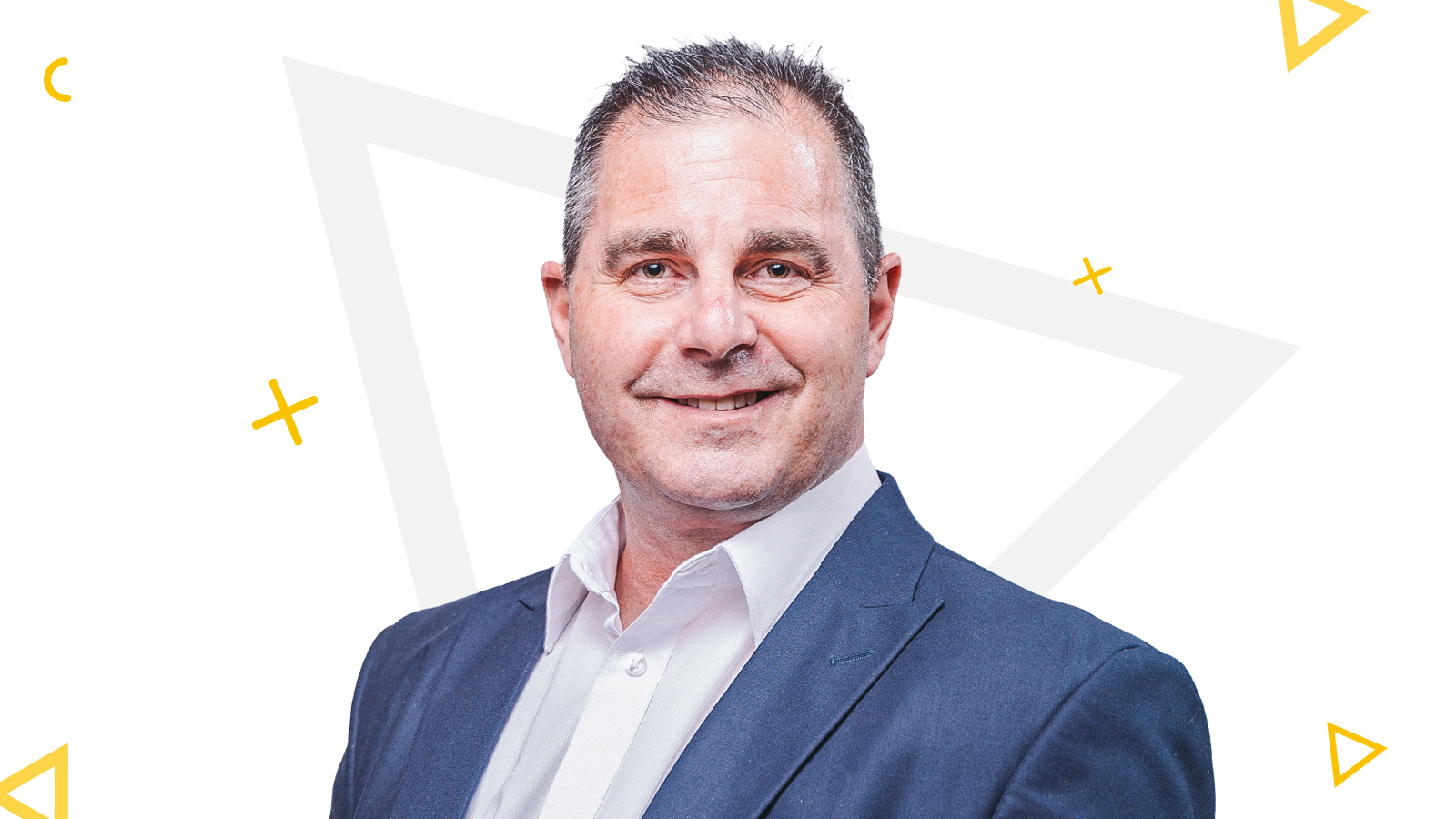
This structural shift is putting members “between a rock and a hard place”, according to Principal Officer for Medshield, Kevin Aron, as it puts schemes in a pricing spiral.
As members downgrade to pay less, the burden to pay out claims has to be spread wider, resulting in higher costs. This, in turn, makes it difficult to attract members who can afford to pay.
Speaking to Business Talk, Aron outlined this existential struggle for medical aid schemes in South Africa.
South African consumers are being battered by rising costs in all aspects of life, and this is eating away at their capacity to afford health coverage.
Aron noted that medical aid is already considered a “grudge purchase” in the country, and the appetite for large annual increases—far above inflation—has diminished.
This is in the context of job losses, almost no economic growth and rising prices, he said. Medical aids are quite expensive.
This has resulted in many members downgrading their plans or switching to more affordable schemes.
“[People] know they need it, because the alternative of going to the state is not a great solution, but they don’t really want to pay for it,” Aron said.
This is felt particularly hard among younger members, who are vital for the overall health of any medical aid scheme.
If a medical scheme has many older members, the claim burden is higher because older people have greater medical needs.
When older members claim from the scheme for their costly requirements, and there are not enough healthier members not claiming, the result is higher medical aid contributions for everyone.
Aron noted that younger, healthier South Africans are effectively being priced out of the market, and those who do join do so on the lowest tiers.
“Younger people, at the early stage of their career, are not going to be able to afford R5,000 or R6,000 a month. They are joining lower contribution plans,” he said.
This is standard, or “endemic,” in the industry, he added, noting that very few schemes show growth in comprehensive plans.
Pricing spiral
The challenge for medical schemes is to attract people to join the more expensive options. This is a necessity, because people need cover.
“If you don’t do that, those options are going to age, you’re going to have a higher claiming profile, and ultimately you will have to counter that with higher contribution increases,” he said.
This is a broad trend across medical schemes in South Africa, with data indicating an ageing population in both open and closed schemes.
While schemes consider those between 27 and 34 years of age to be ‘young and healthy’, the younger segment, between 21 and 26, is not biting.
This group is more drawn to cheaper health insurance products, which are not regulated the same way medical schemes are, and don’t carry the same regulatory burdens.
This sector is booming, Aron said, offering cover at R500 a month, versus the most affordable medical scheme plans starting around R1,100 “if you’re lucky”.
Medical schemes have been hamstrung by regulations that prevent them from competing in this sector. Most notably, by being forced to cover PMBs, which have a base coverage cost of around R1,000.
Because of this, the price point of health insurance is more attractive.
But he said it’s not just young people—the vast majority of people joining medical schemes are joining on lower contribution options.
This is causing a spiral. As membership ages, claims rise, leading to larger contribution increases to offset the pressure.
Aron said that medical schemes need people who can afford R7,000 or R8,000 a month, because they ultimately need more cover when they claim.
If people solely base their medical scheme on the cheapest option, they might find themselves in a situation where they need to claim and find that it isn’t covered by their plan.
“They need an elective surgery, or something that’s non-PMB (Prescribed Minimum Benefits), and their plan doesn’t cover it. Then they’re caught between a rock and a hard place.”
Those medical scheme members are then forced to apply to the scheme to upgrade their plans and to obtain special permissions to be covered.
Those not on medical schemes, might find their health insurance lacking, and then stuck with huge bills, or forced into the public healthcare system.

















 Loading ...