

International giant coming after Checkers Sixty60 in South Africa


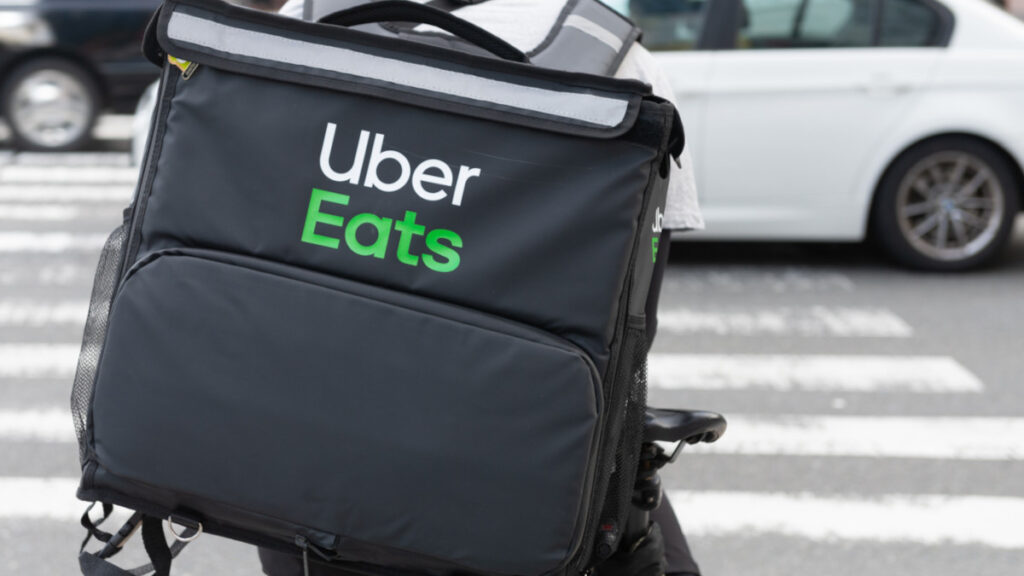
Uber Technologies sees its grocery and retail deliveries growing faster than expected, underscoring the company’s effort to catch up with rival services—including in markets like South Africa.
The company expects non-restaurant deliveries to hit an annual run rate of $12.5 billion in gross bookings by the end of 2025, a spokesperson said.
That’s 25% more than the $10 billion run rate it shared in May. Uber is providing a projection now as the actual financial results for full-year 2025 won’t be disclosed until Feb 2026.
The accelerating growth points to ongoing momentum at Uber’s delivery unit, which contributes nearly half of gross bookings and has been expanding at a faster clip than its signature ride-hailing business over the past three quarters.
Chief Executive Officer Dara Khosrowshahi attributed the delivery segment’s strong performance to “robust growth” in grocery and retail orders when the company reported second-quarter earnings in August.
Though Uber is a leader in the US rideshare market, it has acknowledged that it can do more to deepen consumer habits on the delivery side, especially in the competitive grocery and retail space.
Khosrowshahi said in August that Uber still has “a long runway to drive further adoption” in delivery, noting that 75% of its rideshare customers have not tried ordering grocery and retail goods from the Uber app.
Currently, Uber sees “a lot of usage for last-minute or urgent orders,” said Rebecca Payne, group product manager for grocery and retail.
That may include missing recipe ingredients or miscellaneous items that travelers forgot to pack.
Sundays at 18h00 is the peak time for grocery orders on Uber, the company added, with the most popular items being fresh fruit and vegetables.
Susan Anderson, the company’s global head of delivery, is expected to provide more updates about the business during a keynote speech at the annual Groceryshop conference in Las Vegas on Sunday.
Uber has made a concerted effort in recent years to expand the delivery use case for its users.
On Thursday, the company announced it will offer weekly discounts on local fruits, vegetables, meats and dairy in the US, Canada, UK, South Africa, France, Japan, Taiwan and Spain.
It also released new app features to improve the shopping experience, including live order editing and the ability to list preferred backups when first-choice items are unavailable.
On that point, it pledged to offer improved suggestions in the future for alternate items that would be based on factors like price, nutrition and past orders.
Tough competition in South Africa

Uber Eats faces intense competition from rival delivery platforms in South Africa, including Mr D, which partners with Pick n Pay, Woolies Dash, and Checkers Sixty60.
SPAR announced a partnership with Uber Eats in June to expand its 2U online delivery service, offering access to SPAR stores and Tops! products.
However, the service also has wider access to other retailers, including those outsde of the grocery space.
Despite Uber’s ambitions to have a bigger impact in the grocery delivery space, it faces an uphill battle against Checkers Sixty60, which dominates.
Reporting its annual results for the year ending June 2025, the Shoprite group recorded Sixty60’s sales increasing by 47.7%, equating to R18.9 billion.
Outside of sales growth, the group saw improvements in the Sixty60 customer experience, evidenced by its 94.0% on-time deliveries and 96.9% order fulfilment.
World Wide Worx’s Online Retail in South Africa report revealed that the Sixty60 grocery delivery platform is more popular among shoppers than its main competitors in the on-demand delivery space.
Sixty60 launched in 2020 amid the Covid pandemic and lockdowns and very quickly carved out a significant lead in the market, leaving competitors scrambling to catch up.
The group has consistently expanded its reach and available products, extending even beyond groceries.
Shoprite claims that Sixty60 currently has more than 80% market share of on-demand grocery delivery in South Africa—a position it is unlikely to give up without a fight.
With Bloomberg

















 Loading ...