

Good news for people who shop at Pick n Pay


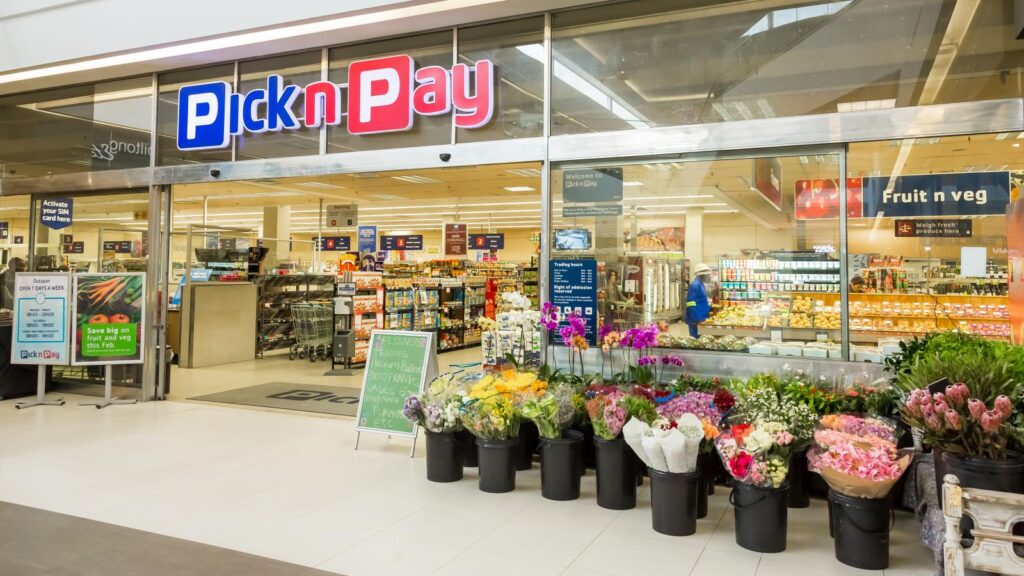
Pick n Pay has entered the next phase of its turnaround strategy, which is good news for people who shop at the retail chain.
On Monday, 4 May 2026, Pick n Pay announced that it had started a consultation process on targeted adjustments to its store labour model.
It focuses on improving flexibility and operational efficiency and making Pick n Pay more responsive and competitive in a rapidly changing retail environment.
It explained that aspects of its current labour arrangements are above market norms and out of line with current shopping trends.
These include minimum guaranteed hours, inflexible scheduling practices, and certain benefits and allowances.
Pick n Pay initiated a Section 189A consultation process and entered into consultation with the South African Commercial, Catering and Allied Workers Union (SACCAWU).
The retailer made it clear that it was not looking to cut jobs. “The consultation process is not intended to result in a permanent reduction in overall job numbers,” it said.
Pick n Pay is committed to finding alternatives that will avoid the retrenchment of impacted employees and ensure jobs are saved.
“The store labour model reset does not impact the entire business. This process applies to specific store-based employees,” Pick n Pay said.
It is aimed at Non-Management Bargaining Unit (NMBU) employees and excludes head office employees and management structures.
“This store labour model reset is aimed at improving flexibility and competitiveness and aligning Pick n Pay labour practices,” it said.
“This will be more in line with its competitors and relevant to the current shopping environment and customer shopping trends.”
Good news for Pick n Pay shoppers
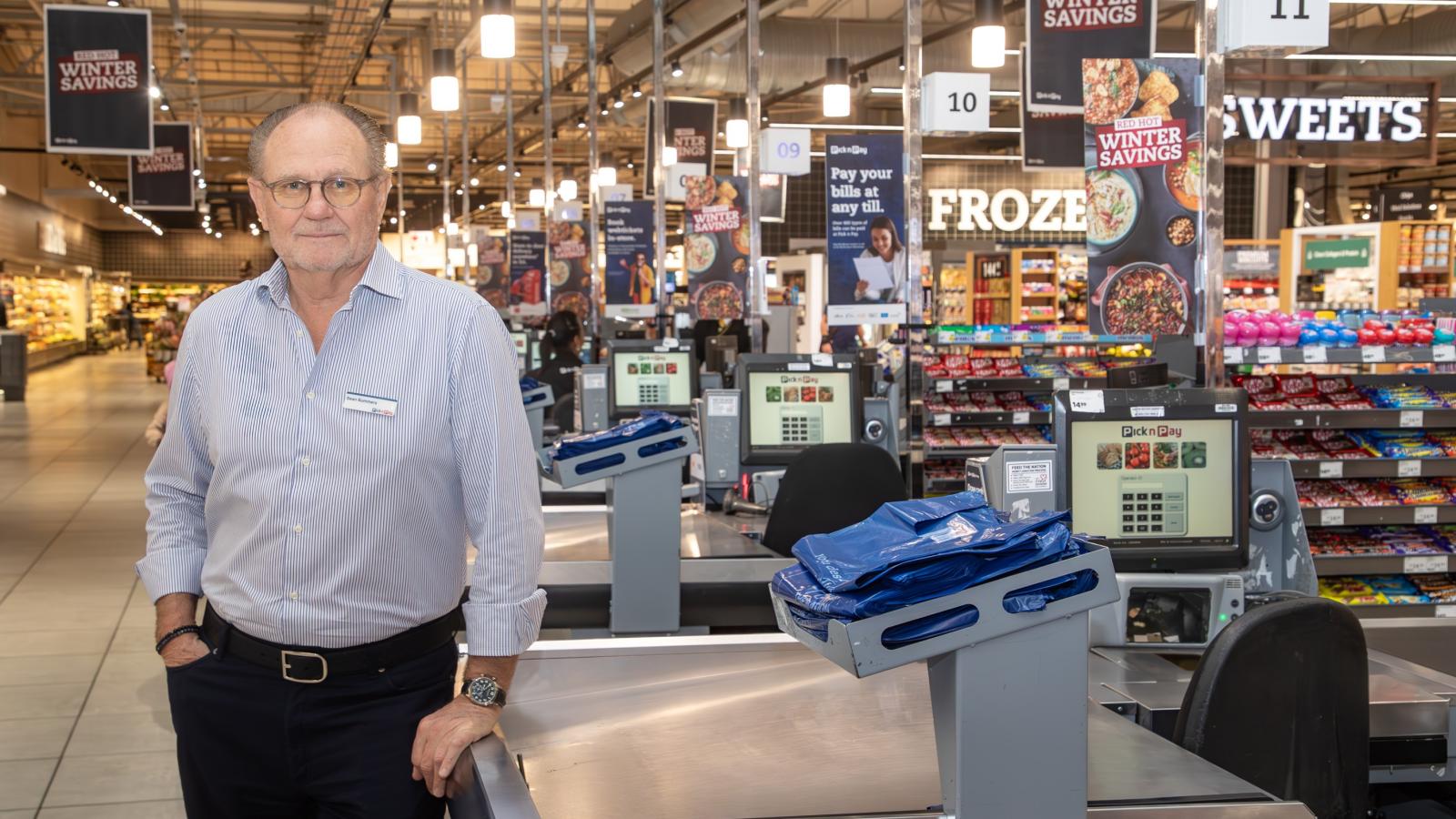
Pick n Pay CEO Sean Summers told BusinessTech that this new phase of their turnaround strategy is good news for customers.
The current situation is that the experienced and well-trained Pick n Pay store staff only work from Monday to Friday.
However, most Pick n Pay clients do their shopping on Friday, Saturday, and Sunday. This creates a mismatch between customer demands and staff hours.
Pick n Pay is addressing this mismatch through its proposed labour changes, which will improve operational efficiency and better serve customers.
Simply put, the new labour model will make Pick n Pay more competitive and ensure that its store real estate is protected.
“This next step is an important part of our turnaround journey, which began two years ago,” Summers said.
It complements the progress the company has made toward returning to profitability, which included significant structural and financial changes.
These structural and financial changes include closing underperforming stores, restructuring its holding company, and listing Boxer to reduce debt.
“We reset our store estate, restructured our support offices, and implemented a salary freeze for support office staff,” Summers said.
“We must now address a critical reality that our current store labour model has been out of balance in the marketplace for some time.”
He explained that the model’s intention was positive, but its structures have become increasingly complex.
These complex and rigid structures are reducing flexibility and Pick n Pay’s ability to respond to retail trends and customer demands.
“If we are to compete on an equal footing in an increasingly constrained marketplace, we can no longer sustain structures that are materially above market norms.”
He said that this problem needs to be addressed to return the business to profitability and protect Pick n Pay from future risks.
“Our goal is to ensure that Pick n Pay can grow again, open more stores and continue to provide work for people in the future,” he said.
“To achieve this, we must stay competitive, be financially viable, and serve our customers in the way they choose to shop.”


















 Loading ...