

New store taking on Builders Warehouse and Leroy Merlin in South Africa – photos


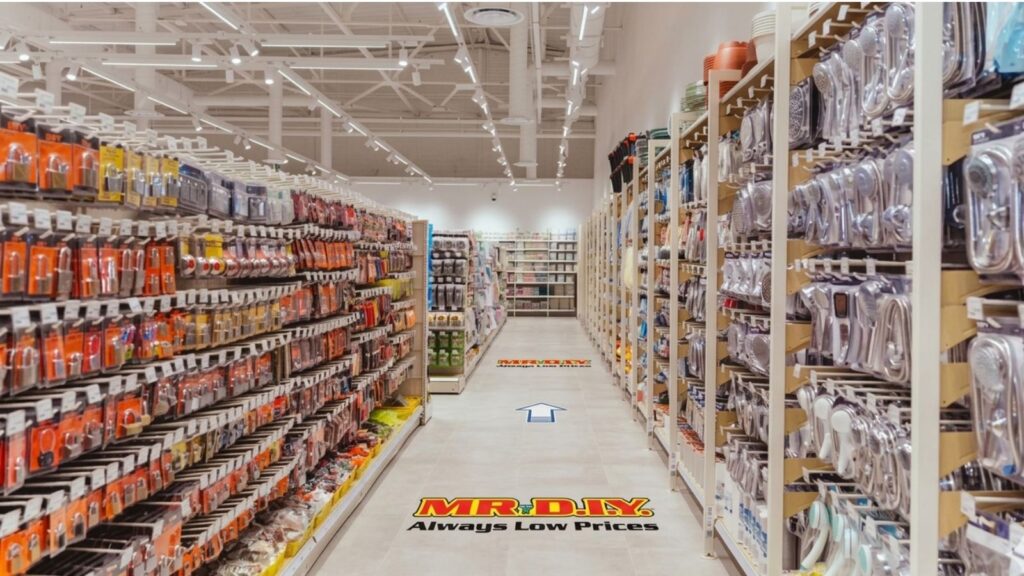
Less than a year after opening its first South African store, MR.DIY is rapidly expanding its local footprint in the country.
The retailer is positioning itself as a major competitor in the home improvement and value retail market, which is dominated by chains such as Builders Warehouse and Leroy Merlin.
On Tuesday, 23 June, the Malaysian retailer said it is approaching its 10th South African store and expects to have 14 outlets open by the end of the year.
In addition to launching new branches, it has established local offices and warehouse operations, creating employment opportunities for more than 150 South Africans.
The expansion to South Africa marks the company’s first move into Africa. Globally, MR.DIY has grown from a single hardware store established in Malaysia in 2005 into a retailer with almost 5,000 stores across Asia and Europe.
The group now operates in countries including Thailand, Indonesia, Singapore, the Philippines, Vietnam, India, Türkiye, Spain and Poland.
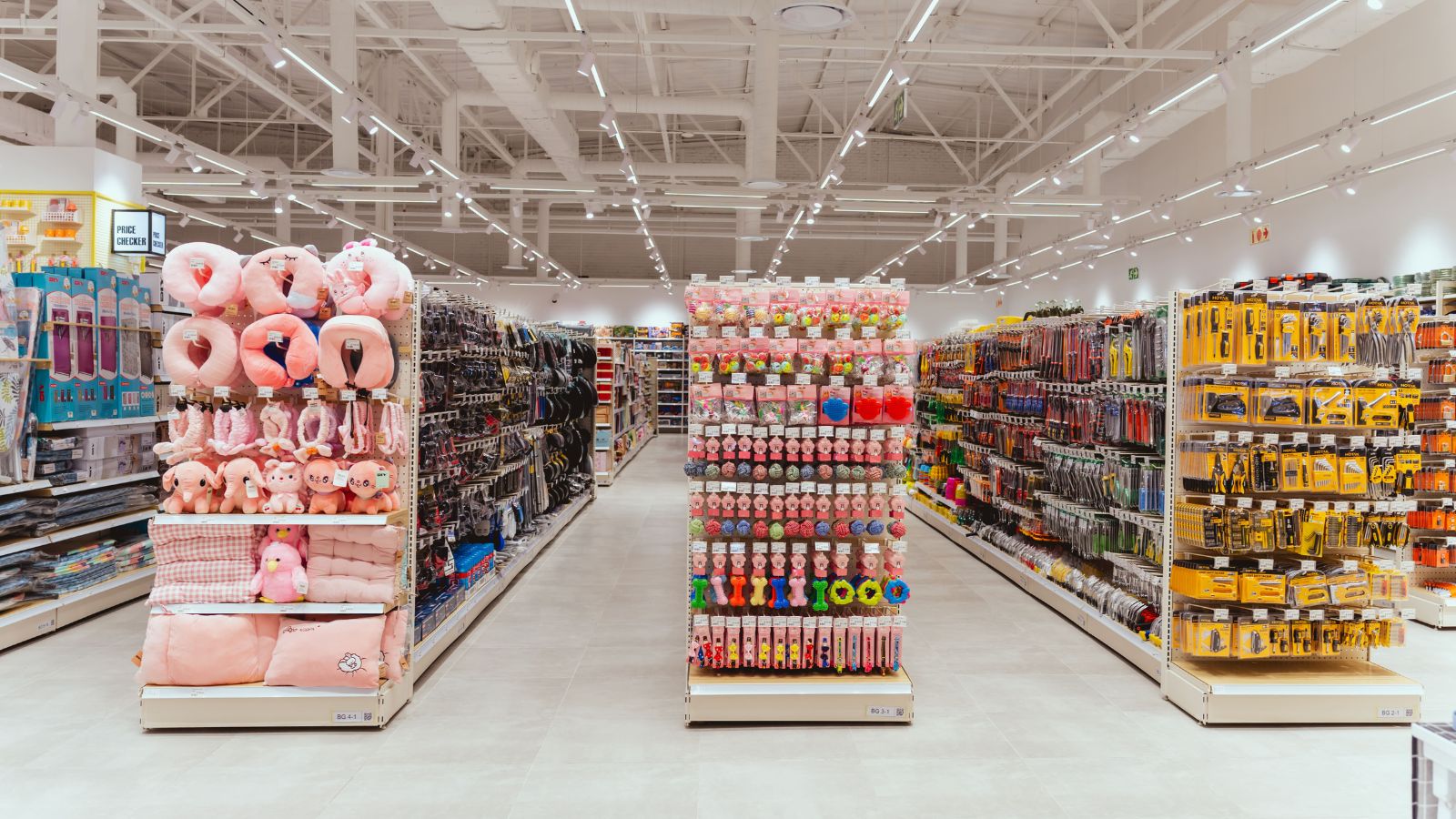
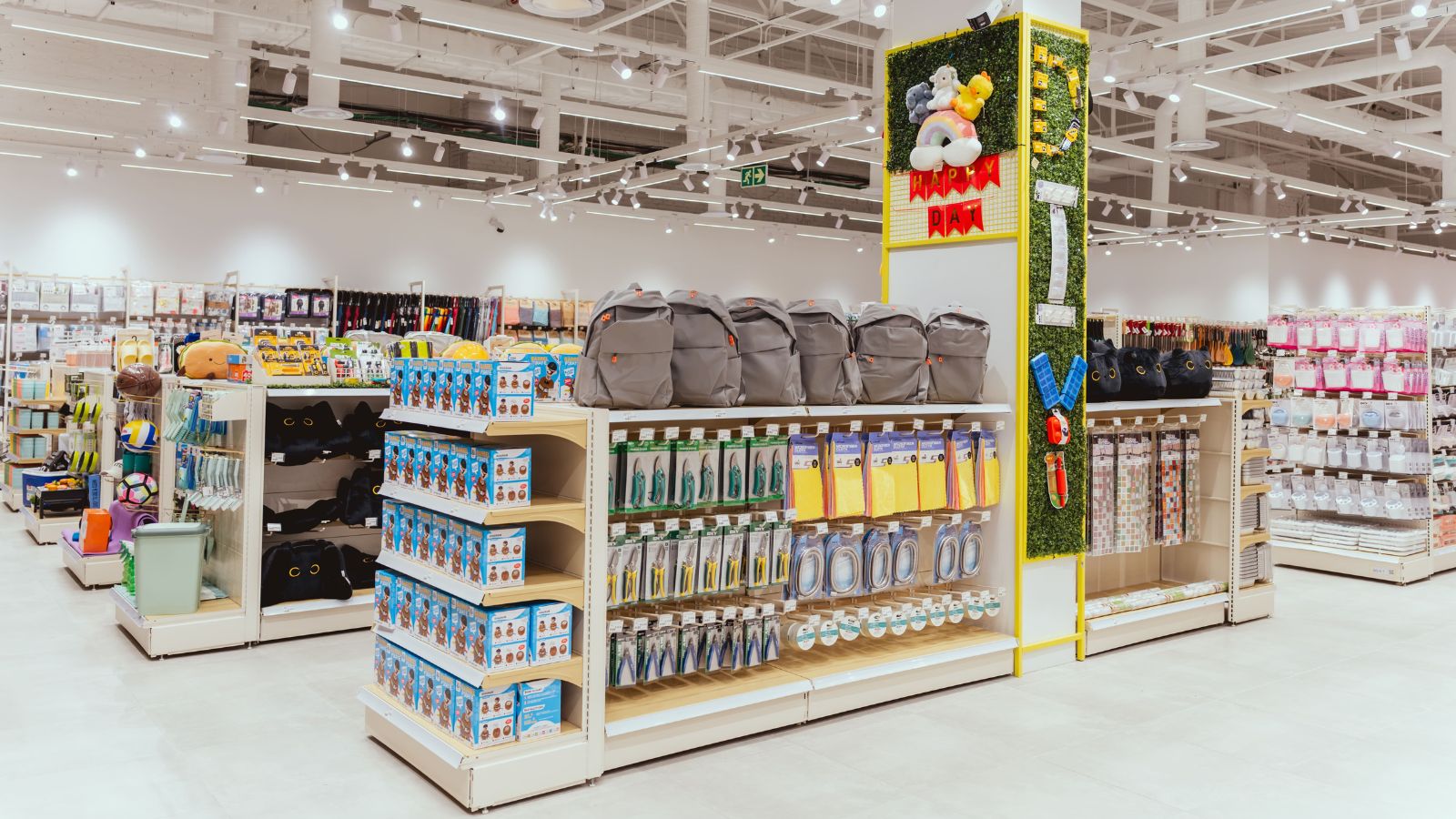
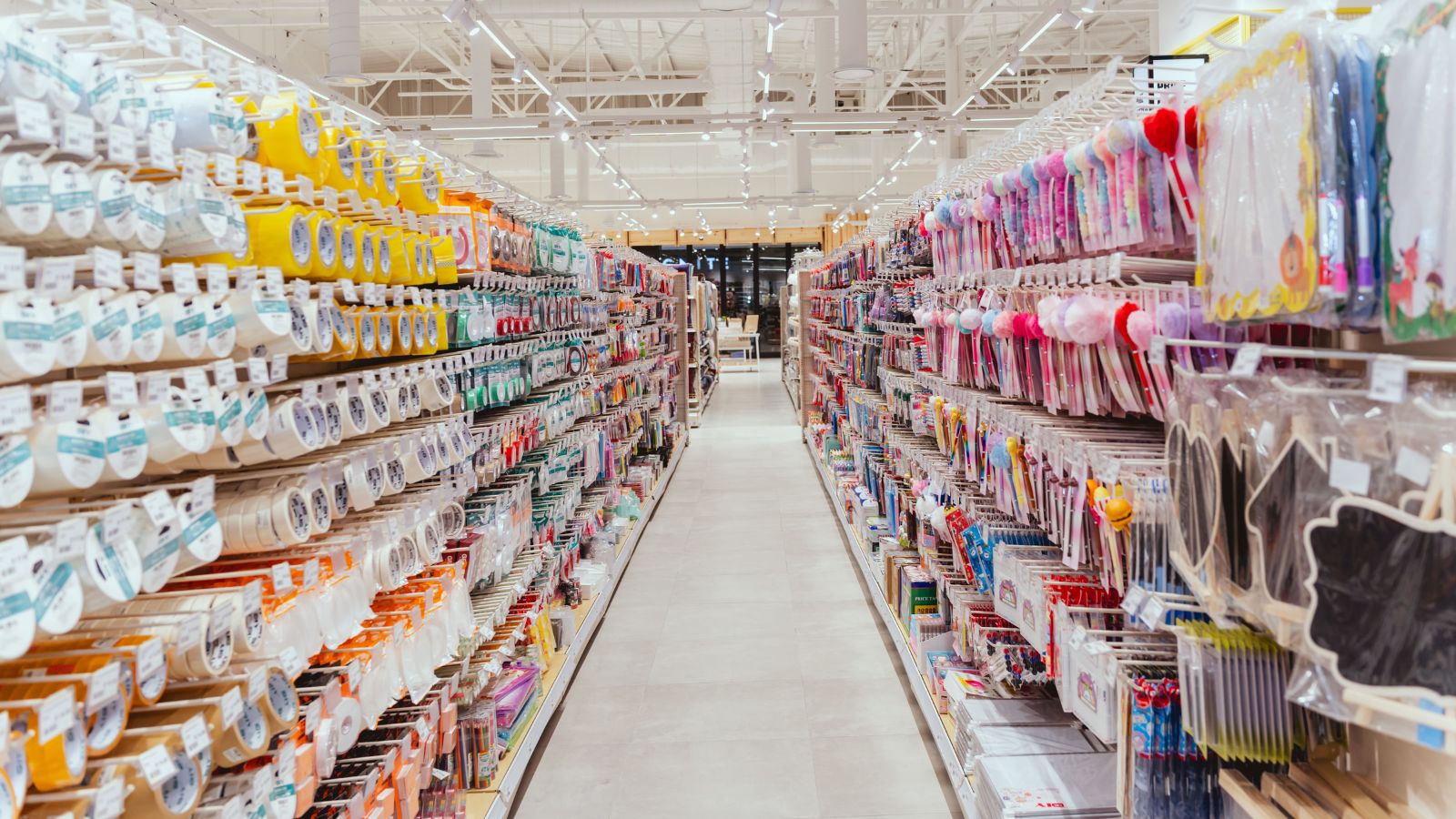
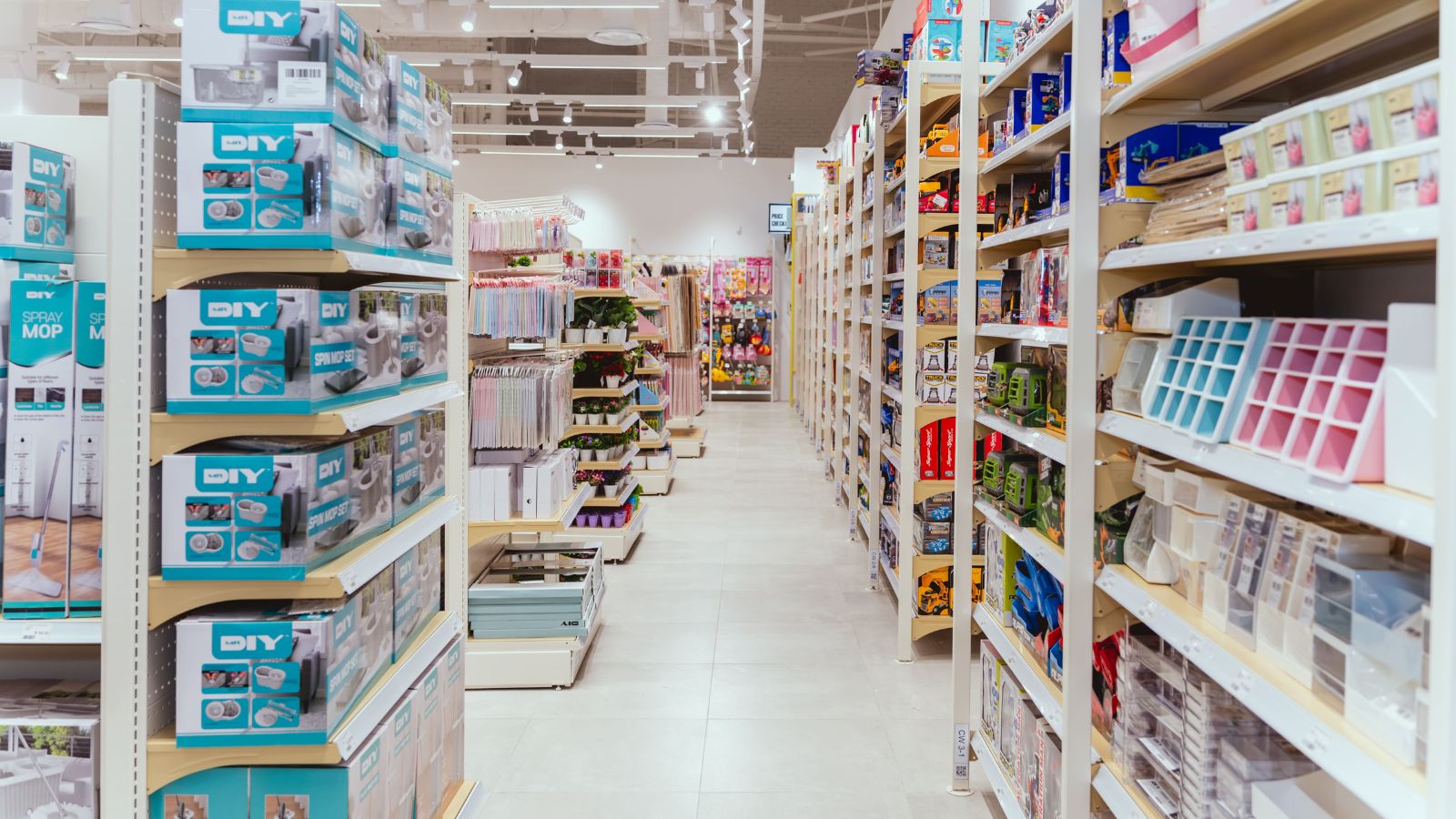
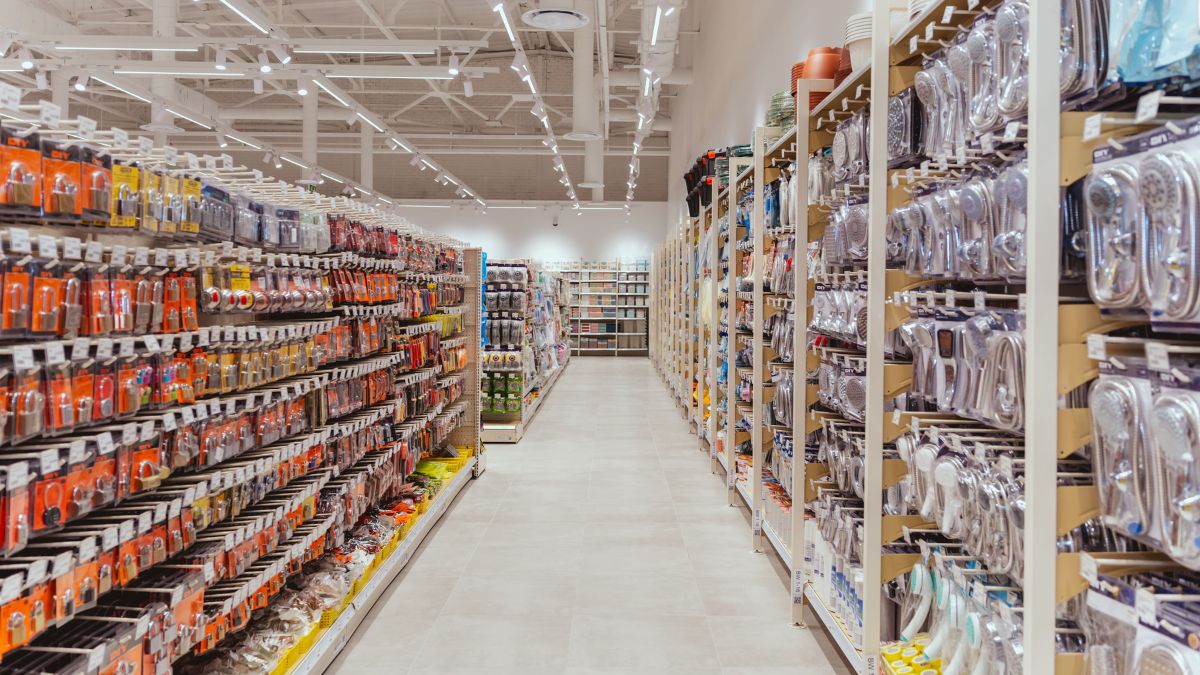
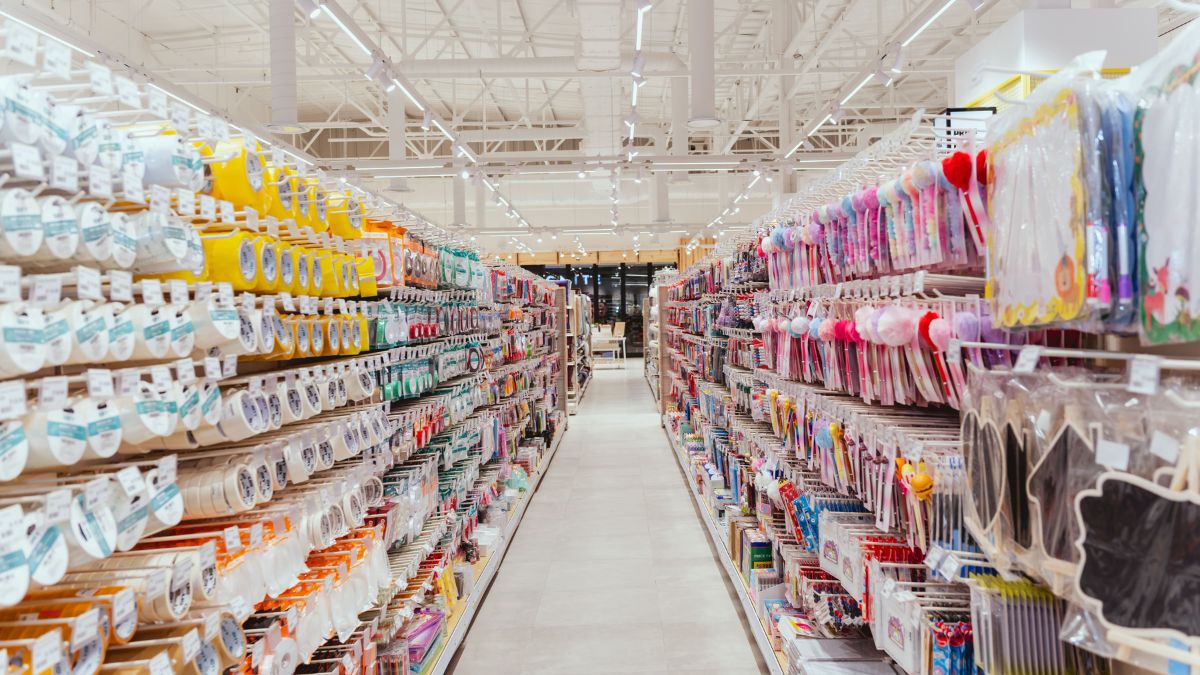
Unlike traditional warehouse-style home improvement retailers, MR.DIY focuses on smaller mall-based stores stocked with between 17,000 and 18,000 products.
These products span hardware, household goods, décor, electrical accessories, stationery, toys, and everyday home essentials.
The strategy allows it to target shoppers looking for practical, low-cost purchases during routine shopping trips rather than requiring a dedicated visit to a large-format hardware store.
This approach places it in competition with established players such as Builders Warehouse, South Africa’s largest DIY chain with more than 100 stores nationwide.
Another competitor is Leroy Merlin, which operates a handful of large flagship stores concentrated in major economic hubs.
MR.DIY believes its focus on convenience, variety and affordability gives it a distinct position in the market.
By using relatively compact retail spaces in busy shopping centres, it can expand into areas where constructing a large warehouse-format store may not be economically viable.
Expansion plans
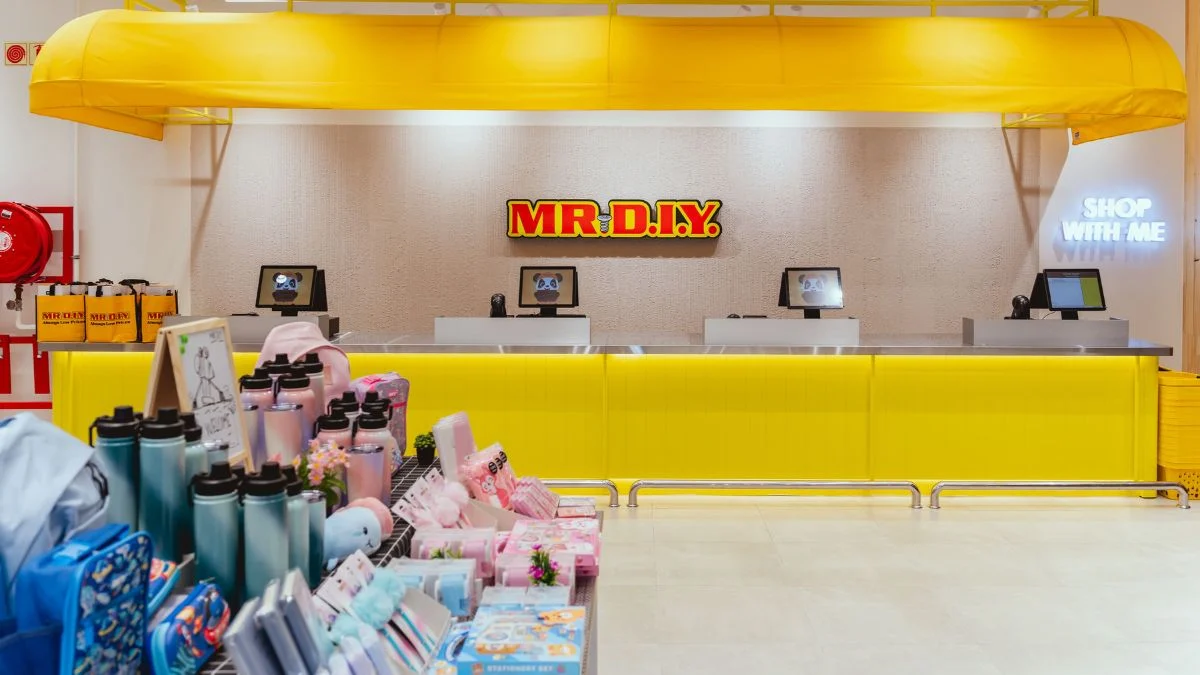
Head of Business Development Jamie Williams said the company’s rapid growth over the past year has exceeded expectations.
“If I think that this time a year ago we didn’t have a store open and now we’re heading towards 14 stores by the end of the year, it’s quite a journey,” he said.
He added that they’ve grown the team, established their own offices and warehouse operations, and now employ more than 120 people in full-time positions.
“It’s been a roller coaster, but looking back, the things that felt like huge challenges at the time now feel like another lifetime ago,” he said.
“We’re still a small drop in the ocean, but these are more than 120 people in full-time employment who didn’t work here this time last year. If we continue to grow the way we’re planning to, those numbers will continue to increase.”
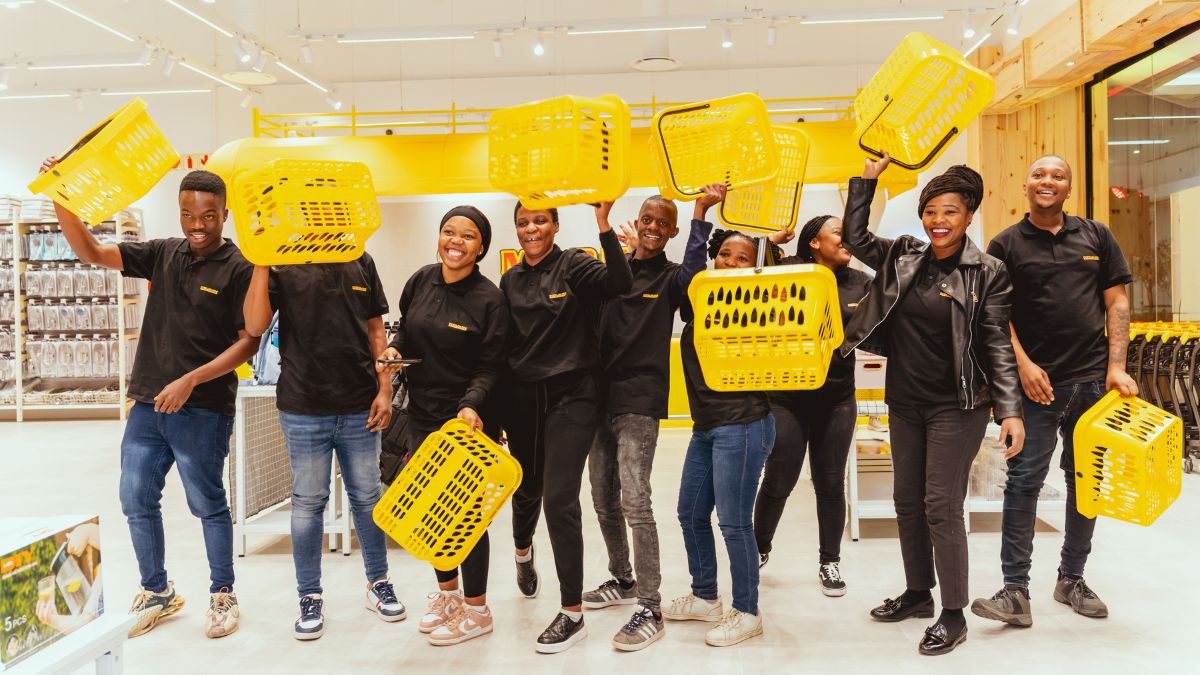
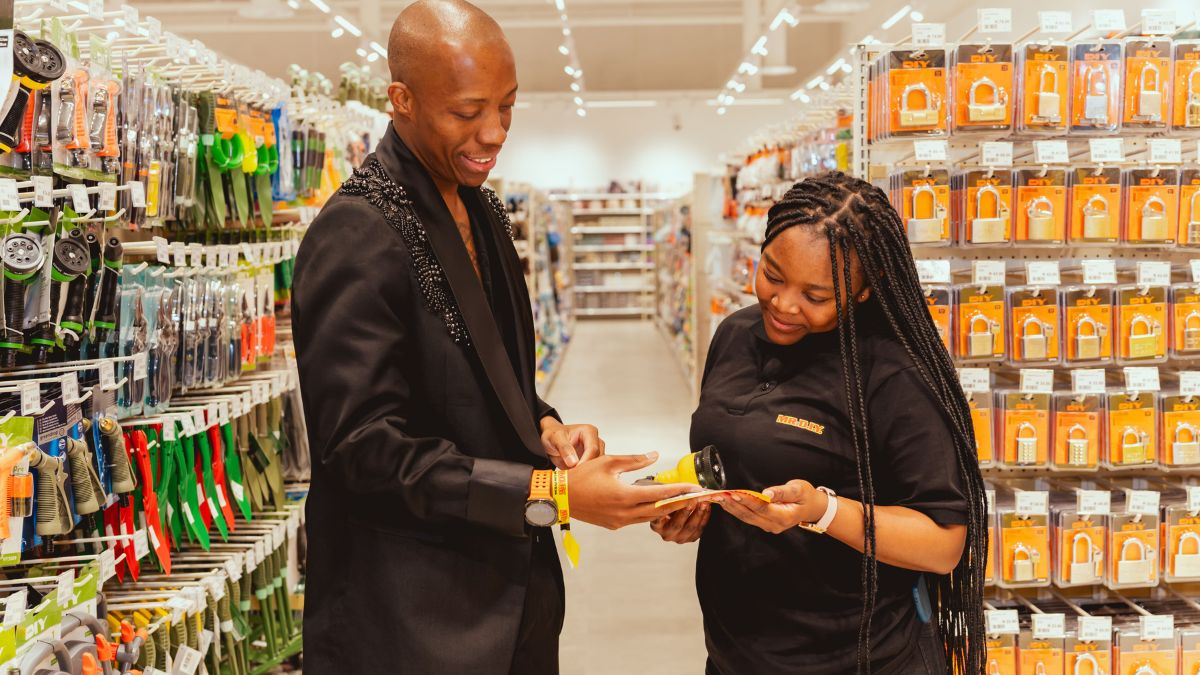
The company added that every South African outlet is staffed by local employees and supported by a South African operational structure, with each new branch expected to create between 10 and 15 jobs.
The retailer also promotes internal career progression, with employees advancing from entry-level positions into supervisory and management roles.
Looking ahead, Williams said the company intends to continue expanding cautiously rather than pursuing growth for its own sake.
“We want to walk before we run. There are lots we want to do and lots we will do. We’ve achieved a lot in 12 months, and we’ll continue building on that,” he said.
“Our focus is on building a strong foundation and then scaling with intent. We have a clear pipeline of stores and a long-term vision for South Africa.”
“By 2027 and beyond, our goal is to have a meaningful national footprint that allows us to reach far more communities.”
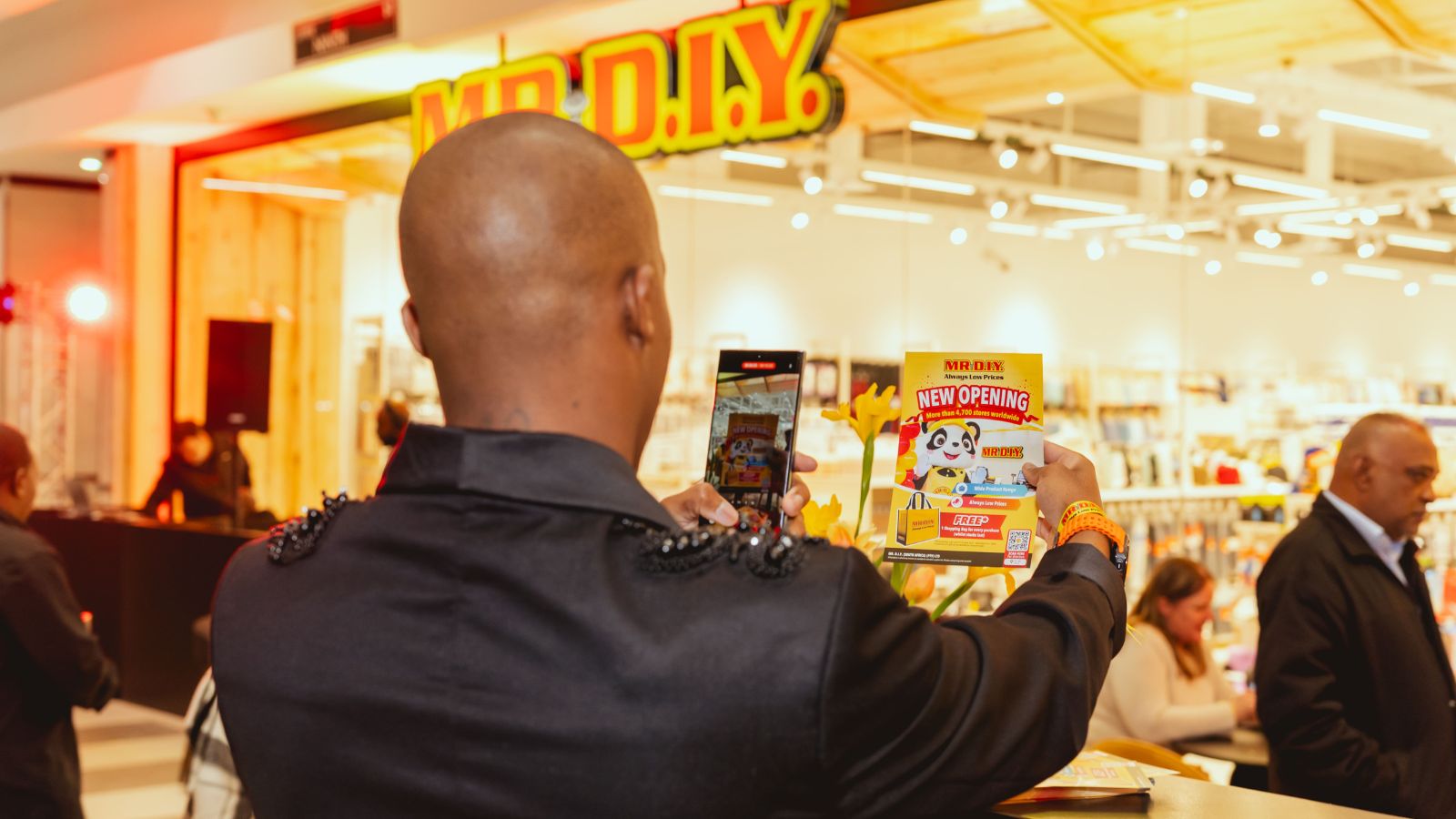
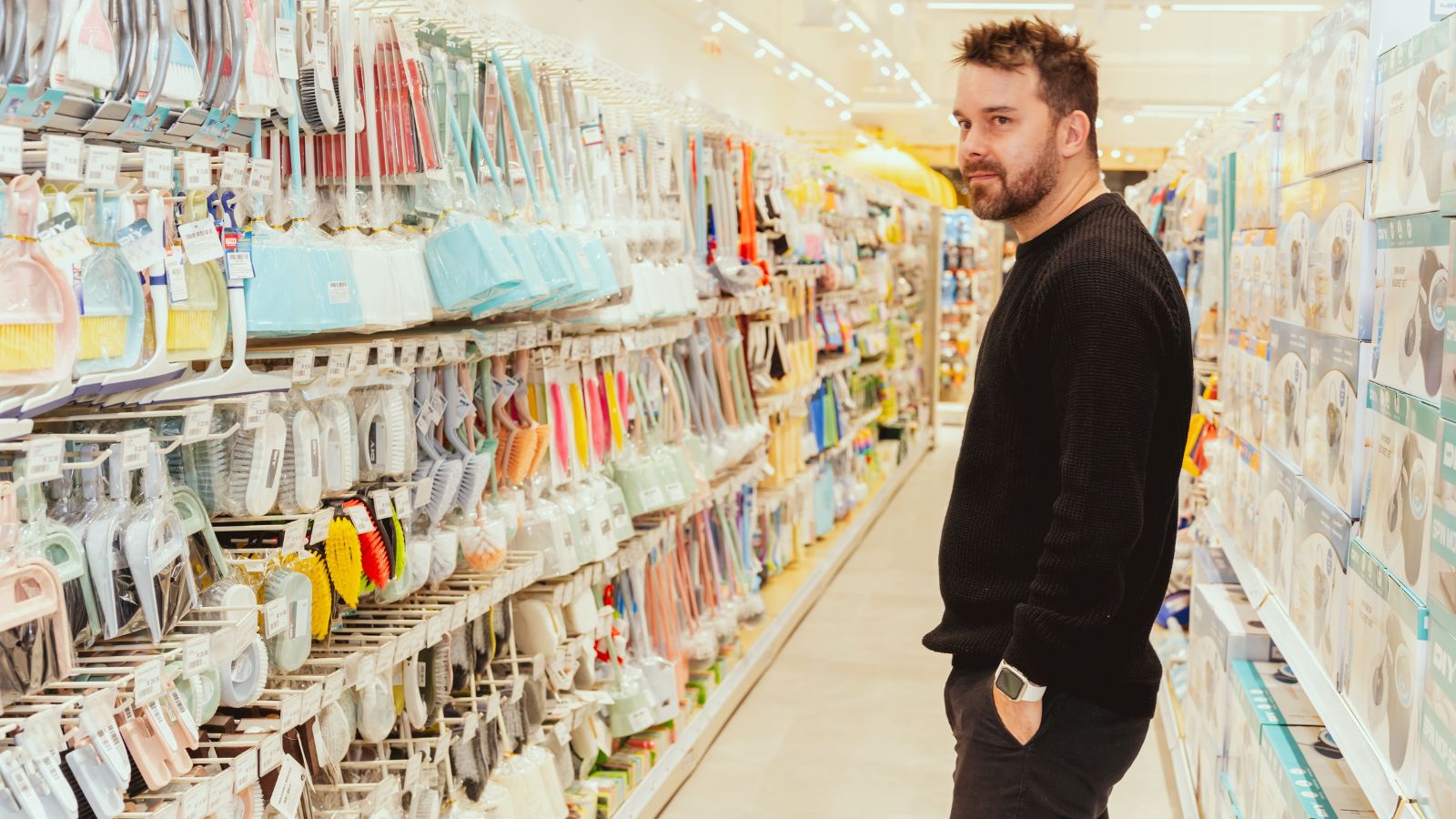
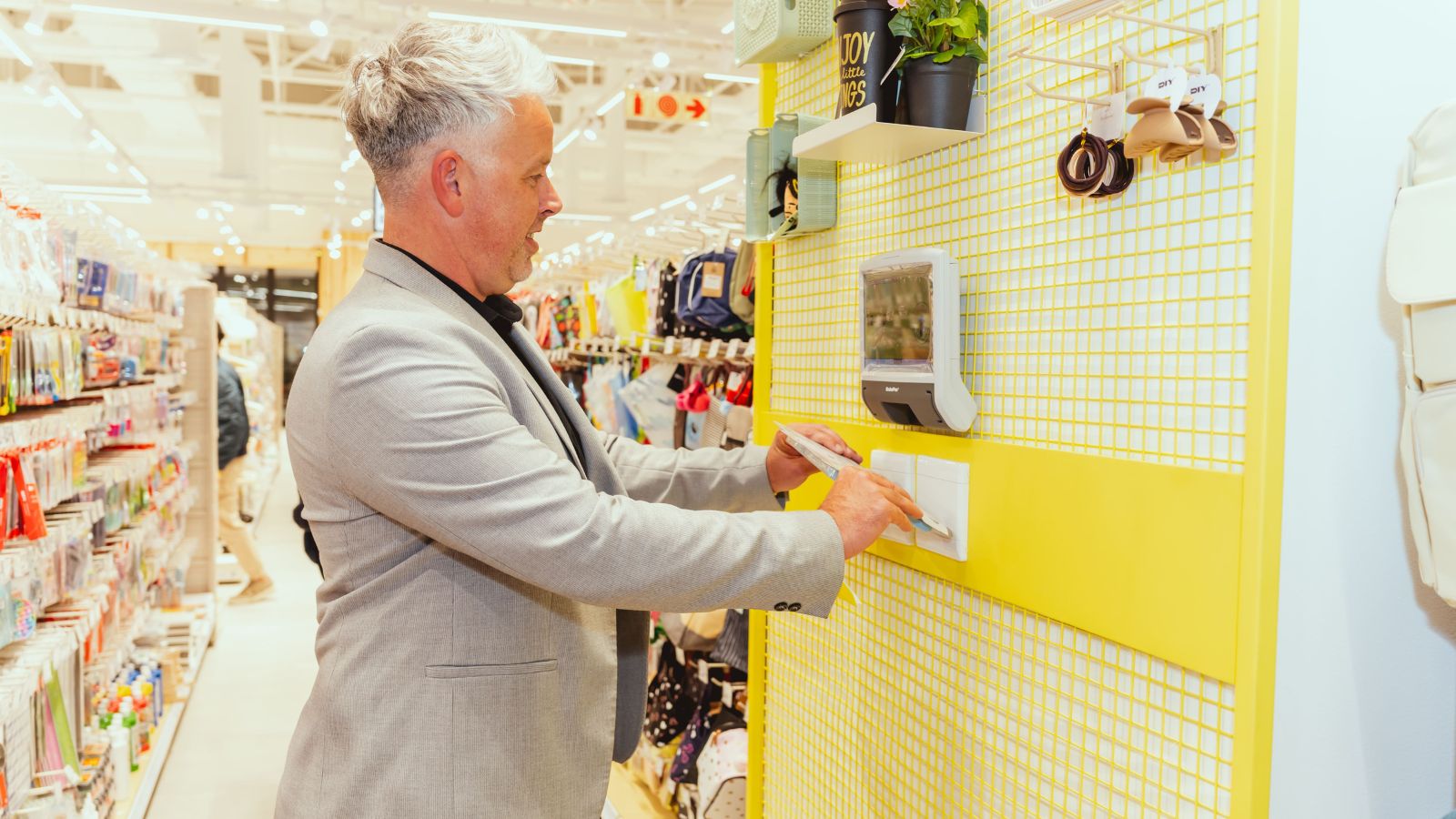
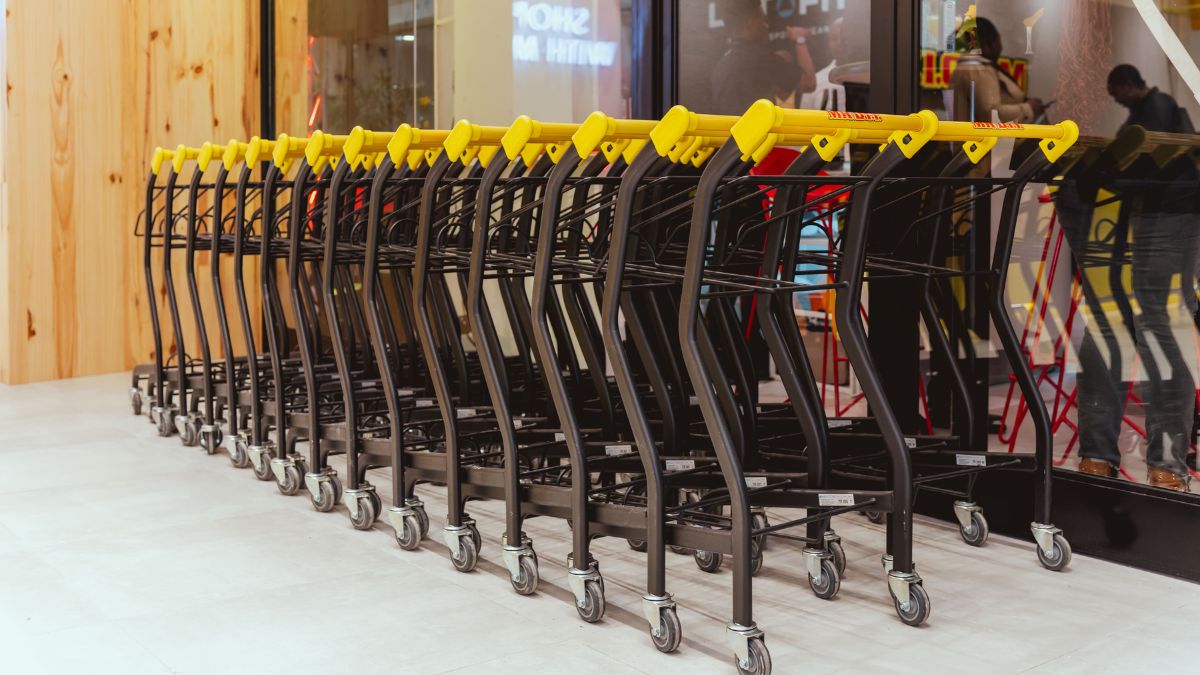
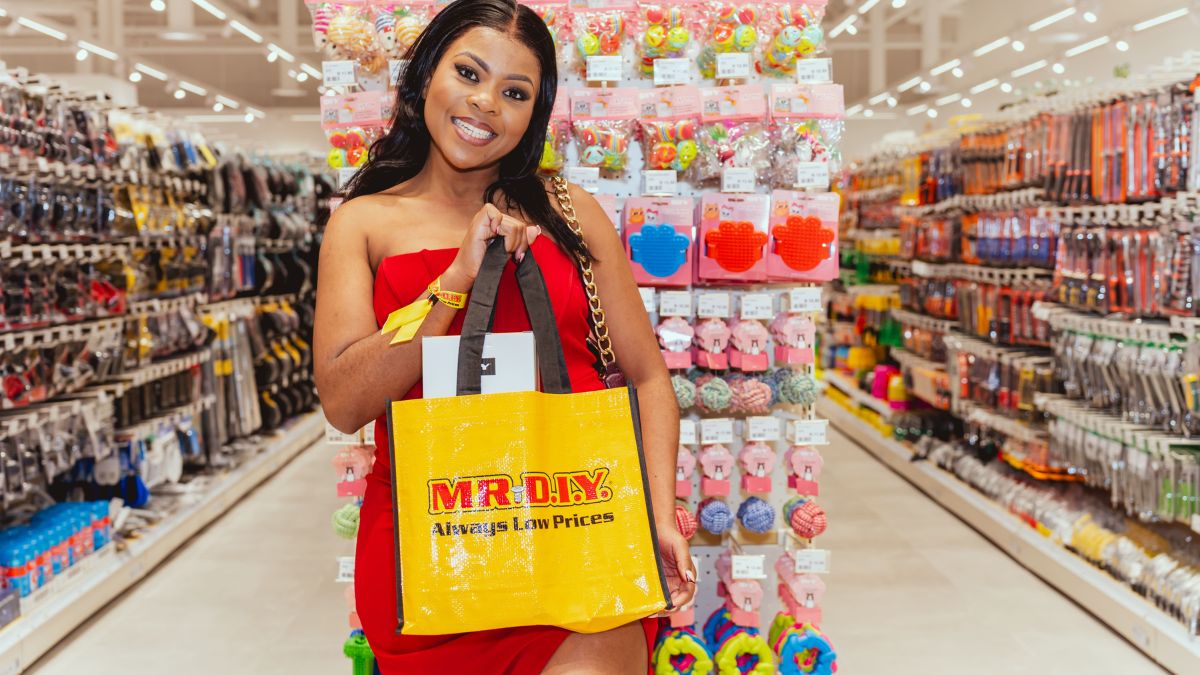
MR.DIY in South Africa – photos
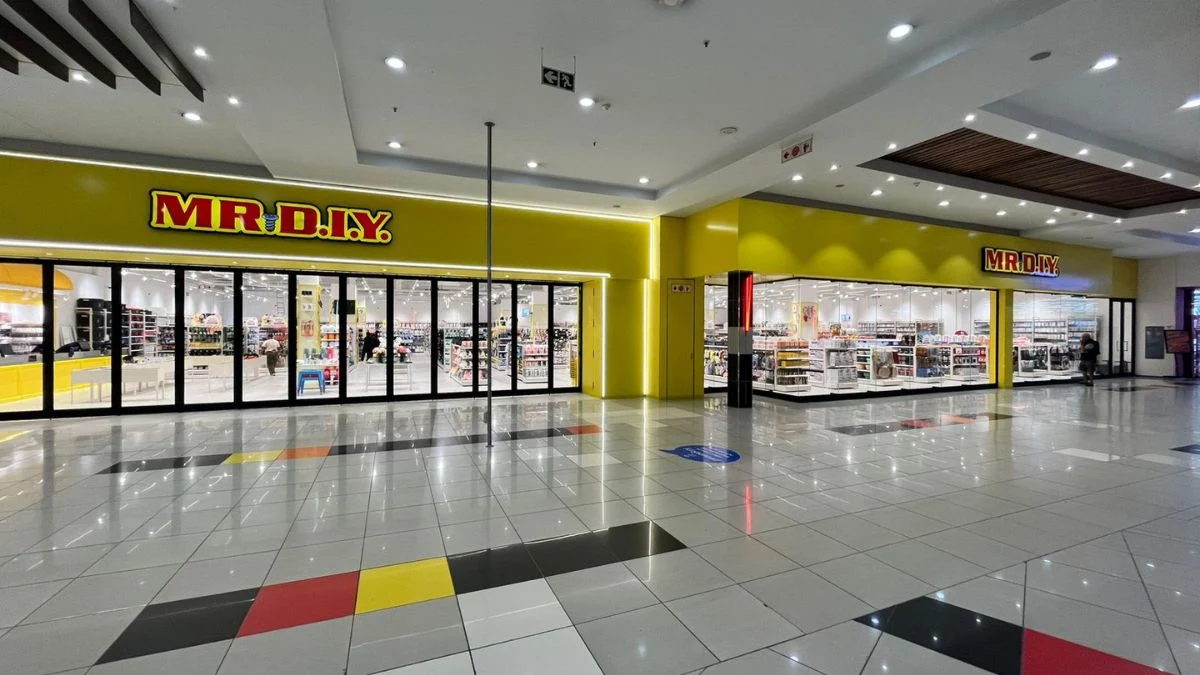
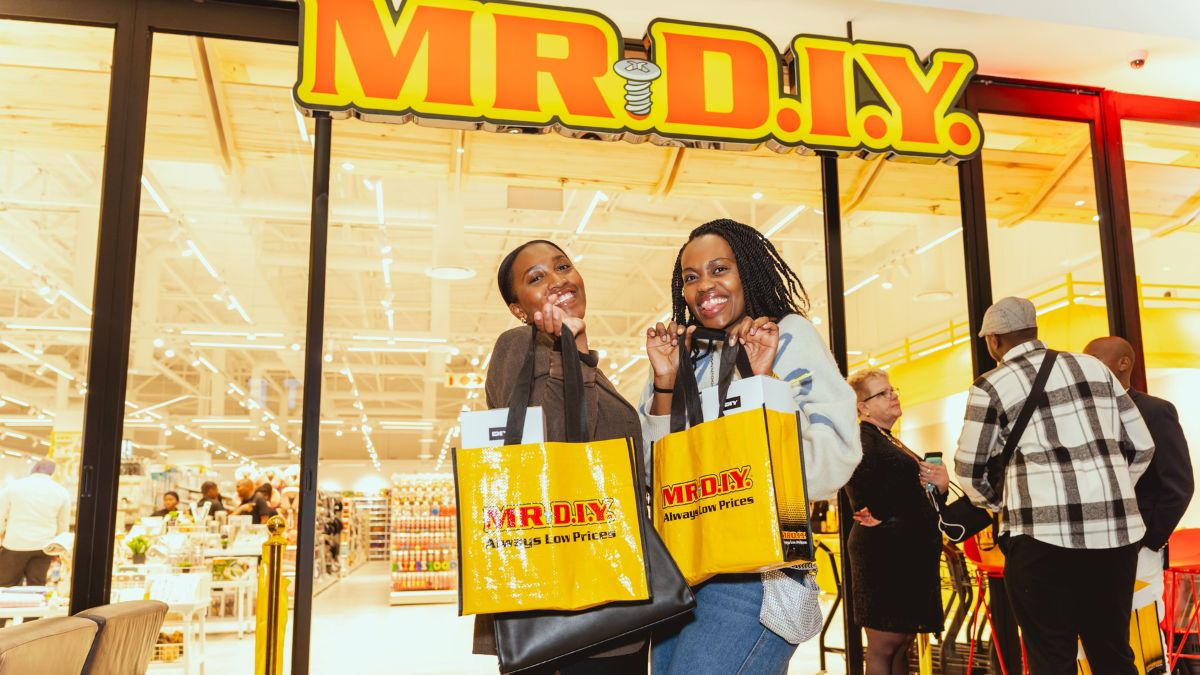


















 Loading ...