

Bad start for October petrol prices in South Africa


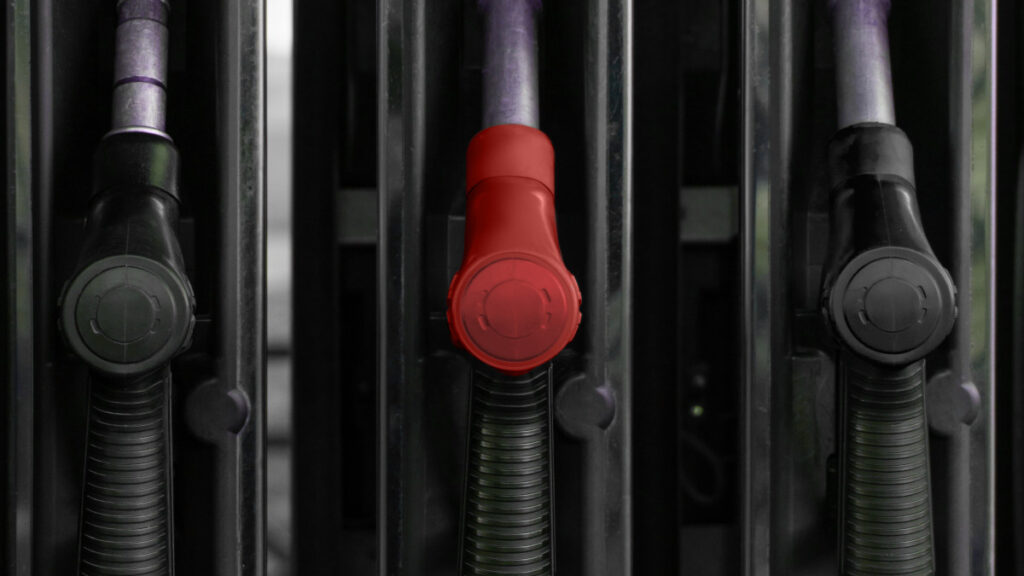
Petrol price recoveries are in the red at the start of September, putting motorists on the back foot for the expected changes in October.
Start-of-month data from the Central Energy Fund (CEF) shows petrol prices sitting with a sizeable under-recovery in prices, while diesel recoveries are faring better.
Petrol is showing an under-recovery of between 19 and 26 cents per litre. Diesel, meanwhile, is showing an over-recovery of around 22 cents per litre, continuing its normalisation.
The lower recoveries for petrol are being driven by the movement in international product prices, which hinges on global oil prices.
While oil is trading flat at just under $67 a barrel, it has been trending slightly higher versus August where it sat at or below $66 a barrel.
The other main component of the recoveries—the rand/dollar exchange rate—is still a positive contributor, adding about 3 cents per litre to an over-recovery.
These are the projected levels at the start of September:
- Petrol 93: increase of 19 cents per litre
- Petrol 95: increase of 26 cents per litre
- Diesel 0.05% (wholesale): decrease of 22 cents per litre
- Diesel 0.005% (wholesale): decrease of 22 cents per litre
- Illuminating paraffin: decrease of 14 cents per litre
It must be noted that indicators at the start of the month are far too early to make any decisive call on what the fuel price changes in October will be.
However, it does it give a solid indication of what would need to happen in the coming weeks to impact that result.
For instance, oil prices would have to drop, or the rand would have to get stronger to lead to more price cuts in October.
Current forecasts for these components are a mixed bag, though.
For oil prices, market analysis by Bloomberg shows that there are signals that oil prices could drop further in the coming weeks or months, given expected increases to supply amid strained demand.
This week alone, oil is heading for a weekly decline ahead of an OPEC+ meeting that may see the group sign off on another supply hike.
The oil-producer alliance will hold a virtual meeting on 7 September to decide the next move after completing the restart of 2.5 million barrels a day of supply at its previous gathering.
Bloomberg analysts said the oil market “will remain on edge,” with Brent crude having already lost 11% in value this year due to the combination of the supply glut and the US trade war impacting demand.
The rand is another story

While lower oil prices could support cuts in October, the rand may be more unpredictable.
The local unit lost strength against the US dollar this week, following weaker-than-expected jobs numbers out of the United States.
However, by Friday, it recovered those losses, moving back to R17.70/$ after Reserve Bank data showed that the country’s foreign reserves increased last month.
While the rand has shown remarkable resilience over the past few months, especially in the face of the global trade war and 30% tariffs on SA exports to the US, it is still highly reactive, particularly to the dollar.
The rand was on the back foot on Thursday, hurt partly by a firmer dollar, which dulled the appeal of most emerging market currencies.
According to Reuters, local sentiment may also be playing a role, with an Ipsos poll showing that the general mood of South Africans around the economy and politics—like the Government of National Unity (GNU)—has soured.
Data from Ipsos showed that the wave of optimism among South Africans since the establishment of the GNU in 2024 is fading partly due to political disagreements within the coalition government.
Nevertheless, the rand has barely broken out of the R17.50 to R17.70/$ range for the past month, which has left market analysts scratching their heads.
As it stands, this is working to the benefit of fuel price recoveries, but this comes with the caveat that if a market shock does occur that sends the currency crashing back towards R18/$ or worse, motorists will feel the pain.
With more than three weeks ahead in the month, the picture can still change drastically.
















 Loading ...