

R250 billion down the drain every year in South Africa


South Africa is wasting around R250 billion a year on electricity because of outdated planning and an overreliance on expensive, inflexible energy sources.
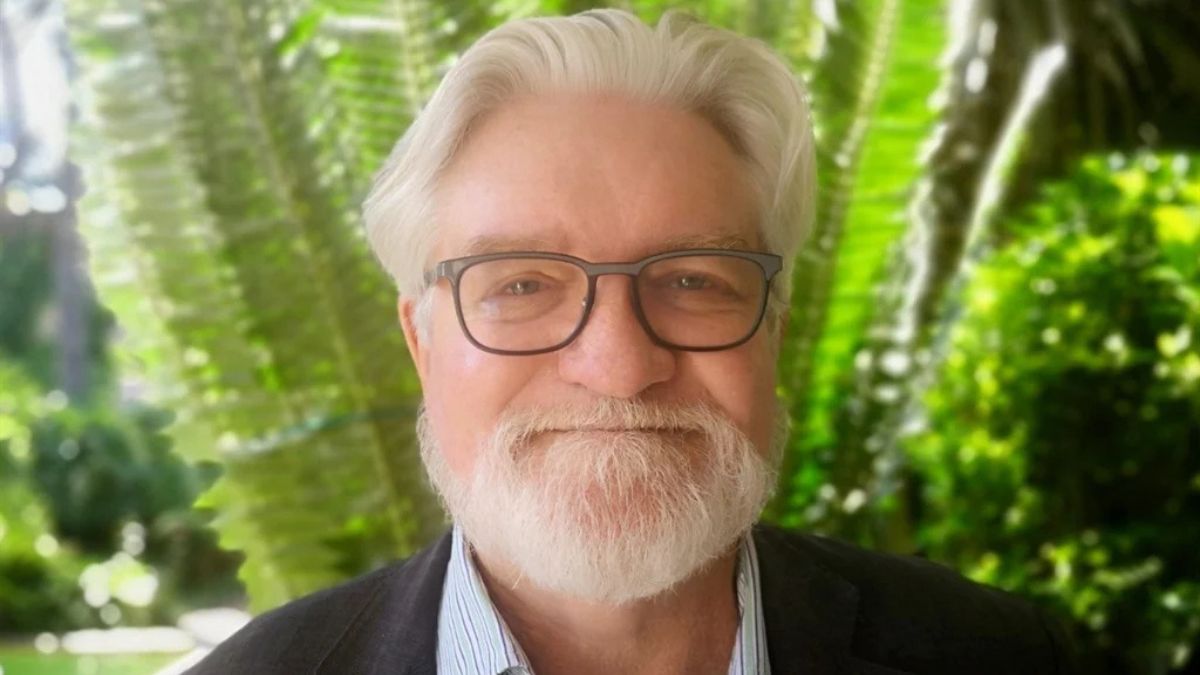
This is according to Energy expert Clyde Mallinson, who said the Integrated Resource Plan (IRP) 2025’s obsession with gas and nuclear generation will cost South Africa unnecessarily.
He explained that energy planning is meant to produce a new plan every two years. However, South Africa has had three plans in the last 15 years, and even when plans are released, they are often contradictory.
“At first, the plan is described as a living document, open to frequent change. Then it’s gazetted as policy, and suddenly it’s a straitjacket rather than a strategic guideline,” he said.
“There are definitely conflicting ideas about whether this plan should guide us or bind us.” Mallinson pointed out that the pace of change in energy technology makes these long-term plans almost obsolete as soon as they are published.
“Every plan they bring out is immediately out of date because things are moving so fast,” he said. He criticised the new Integrated Resource Plan for its focus on nuclear and gas.
It’s clinging to fossil fuels and the most expensive most inflexible option. He compared future nuclear energy to “a retired rugby prop in a game of sevens,” highlighting how slow and cumbersome it is compared with agile renewable alternatives like solar and wind.
To illustrate the scale of potential savings, Mallinson did an analysis about six months ago, putting together an alternative plan that by 2040 would cost the country R250 billion per year less than the plan that’s just been gazetted.
He explained that battery storage costs have since halved, making flexible, renewable-based systems even cheaper.
“Planning in the middle of this technological disruption requires taking advantage of the change, not ignoring it,” he added.
Trying to justify expensive infrastructure
According to Mallinson, a renewable-heavy plan is not just cheaper—it could also lift millions out of energy poverty.
“It produces so much excess electricity that it can lift 12 million households out of energy poverty,” he said. Currently, Eskom and the government try to limit electricity use because of shortfalls.
However, he argued that in a future of abundant solar and wind generation, we are going to build more than we need, and we are going to adapt our demand to the generation, rather than trying to generate to meet our demand.
He calls this “a complete flipping of the argument,” adding that overproduction should be seen as an opportunity, not a problem.
Additionally, Mallinson said that the gas strategy is about finding an anchor tenant to justify expensive infrastructure.
He argued that imported or local gas will be costly, unnecessary, and likely obsolete by the time the infrastructure is built.
He quantifies the impact of following the current plan versus a more efficient, renewable-focused approach.
“The electricity price will be around 60 to 70% more expensive than it would be if we had an alternate plan. In today’s terms, that’s roughly R250 billion per year in wasted money,” he said.
Mallinson is clear about the future South Africa could seize. “The cleanest electricity is now also the most affordable and the most reliable. There isn’t an energy trilemma anymore,” he said.
His vision for South Africa also extends beyond just building new infrastructure. “We can turn renewable energy into renewable energy dividends for 12 million households, taking people off social grants and giving them a stake in the energy future.”
“From day one, they could be cash flow positive, and eventually earn a pension bigger than a SASA grant.”
















 Loading ...