

Petrol price joy for South Africa in November


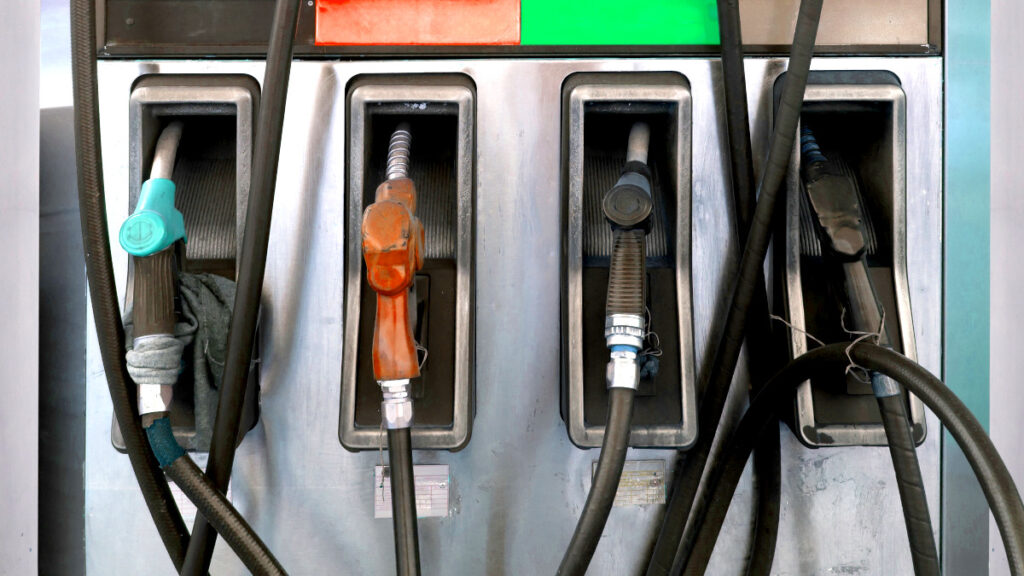
As we approach the last full week of October, fuel price recoveries are settled in the black, pointing to sizeable cuts for both petrol and diesel in November.
The latest data from the Central Energy Fund for the end of week four in October shows that the fuel price over-recoveries that have been building since the start of the month have stuck.
Petrol price over-recoveries have firmed between 57 and 61 cents per litre, and diesel price recoveries have continued to climb, now at around 32 cents per litre.
With one week left in the month, this makes a more confident call on fuel prices for November.
Expected changes:
- Petrol 93: decrease of 61 cents per litre
- Petrol 95: decrease of 57 cents per litre
- Diesel 0.05% (wholesale): decrease of 33 cents per litre
- Diesel 0.005% (wholesale): decrease of 31 cents per litre
- Illuminating paraffin: decrease of 13 cents per litre
While fuel price recoveries have remained fairly stable since the middle of the month, the rand and oil prices have not.
The rand, which has been volatile and driven by international markets, has seen its contribution to the over-recovery decline slightly.
Oil prices, meanwhile, have also seen some wild swings in the past week or so, also jerked around by tensions and sentiment shifts in the global markets.
The rand/dollar exchange rate is still contributing to a 10-cent per litre over-recovery, but this is down from the 15-cent per litre recoveries seen earlier in the month.
The local unit has traded in a relatively broad range, pushing close to the R17.00/$ level and hitting as high as R17.54/$.
It is currently trading a bit stronger, at R17.36 to the dollar, but talk of it testing the R17.00/$ resistance level has dissipated.
The rand has been driven by US dollar volatility in October, where markets were influenced by the escalation in the trade war between China and the United States.
With trade threats running back and forth between the world’s two biggest economies, markets have taken a risk-off approach, impacting currencies like the rand.
According to Investec chief economist, Annabel Bishop, the rand is likely to remain volatile, as long as the republican administration continues to follow a generally unpredictable trade path.
Local issues are also at play, with markets awaiting a Friday (24 October) announcement on whether South Africa will be removed from the Financial Action Taskforce (FATF) grey list.
Analysts say there is near certainty that South Africa will make it off the list, and this has been priced into markets. Should this expectation follow through, there is unlikely to be a significant market reaction.
However, on the off-chance that South Africa is not removed from the list, a much greater negative market reaction could happen.
Up and down for oil
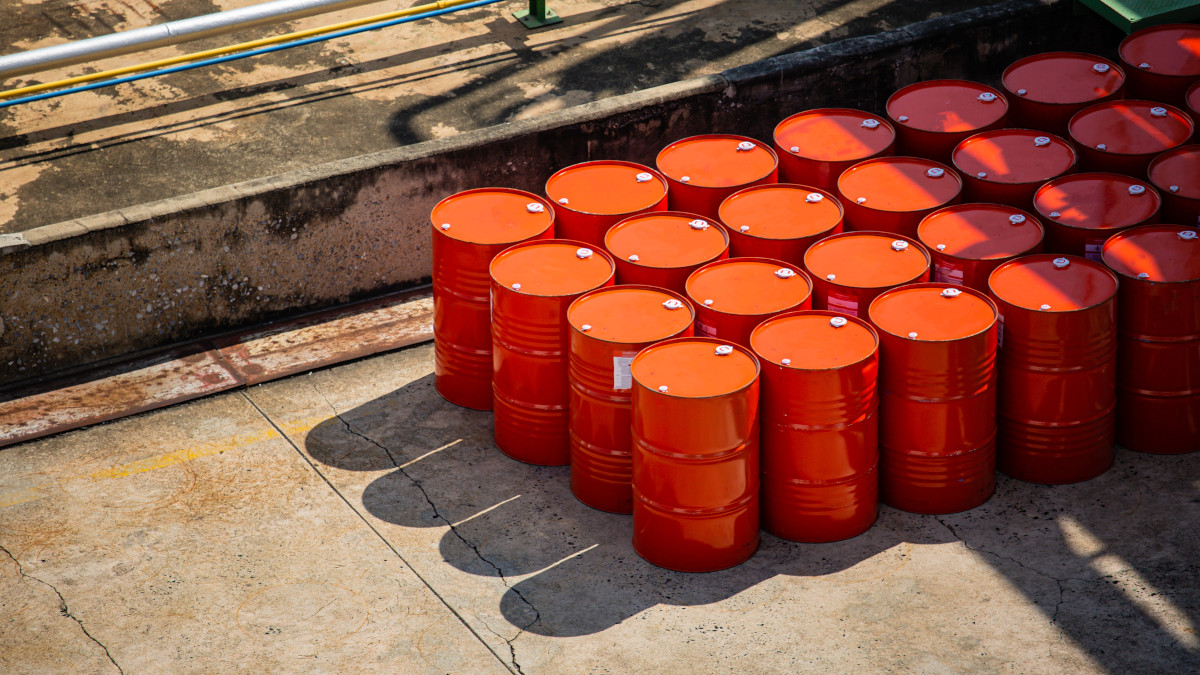
The other major influence on recoveries, oil prices, has had a rocky month.
Oil prices took a nosedive this month as trade tensions between the US and China put a dimmer on global demand for the commodity.
Combined with forecasts of a significant oversupply in the coming year, prices dropped below the $60 a barrel price point, even trading under $58 a barrel at one stage.
However, markets flipped this past week after US sanctions on major Russian producers upended the market, raising the prospect of supply disruptions and greater demand for alternative grades.
The US measures come at a time when global supply is swelling, and Russia has plenty of experience skirting sanctions, which have been implemented due to its war in Ukraine.
Oil producers (OPEC) said they are prepared to increase production if demand requires it, cautioning of higher oil prices.
Brent crude is now trading near $66 a barrel, up around 7% for the week.
Analysts have noted that markets will be closely monitoring shipping activity over the coming weeks. If there are signs of a sudden halt or sharp slowdown for Russian exports, oil prices could track even higher.
“Everyone is waiting for signs of how big the impact of the new sanctions on Russia is. The market is in a wait-and-see mode to see what happens to the flows,” they said.
The impact on pricing for November is less clear, however. With one week left of the month, the impact on price recoveries may be minimal.
At current prices, which appear stable for now, the commodity is still contributing to an over-recovery in pricing between 20 and 52 cents per litre.


















 Loading ...