

New rules coming for electricity prices in South Africa


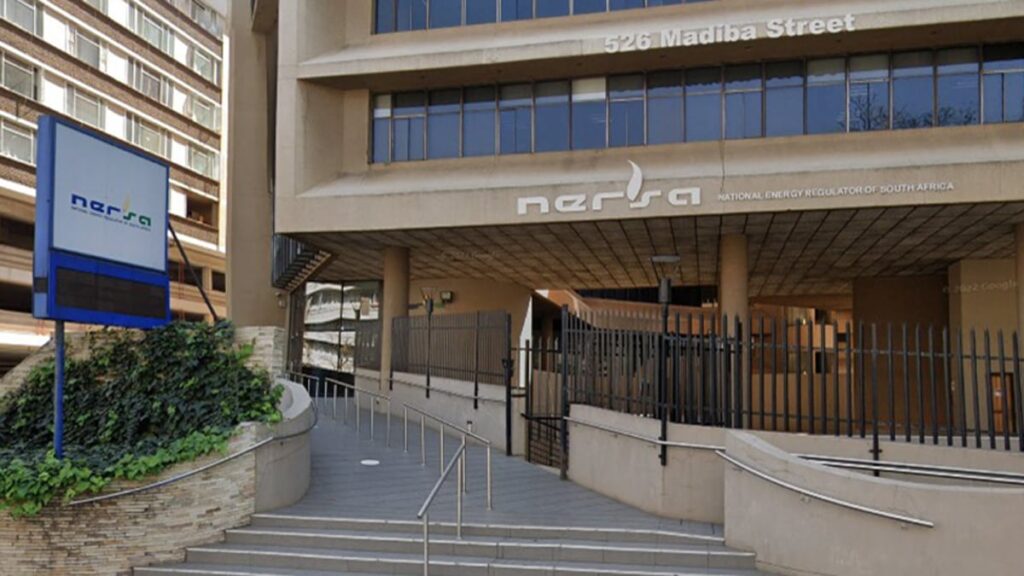
The Pretoria High Court has handed down a major ruling that changes how the National Energy Regulator of South Africa (NERSA) determines electricity tariffs for municipalities.
This follows a legal challenge by civil rights group AfriForum, which sought to take the regulator to task for keeping South Africans in the dark about how these tariffs were determined.
The court found that NERSA’s approval of municipal electricity tariffs without proper cost studies and public participation was unconstitutional, paving the way for stricter rules and greater transparency in future pricing decisions.
During the court challenge, NERSA tried to argue in court that municipal electricity customers have no right to know what their councils pay Eskom for electricity.
AfriForum challenged this stance, arguing that the regulator had been approving municipal tariff increases without publishing the required cost-of-supply studies or providing enough opportunities for the public to participate.
According to the organisation, these omissions made the tariff-setting process unlawful and unfair to ratepayers who are ultimately affected by the price increases.
In its application, AfriForum asked the court to declare NERSA’s public participation process invalid and to issue an interdict establishing specific timelines for future public consultation.
The court ruled in AfriForum’s favour, awarding costs and granting the interdict that sets out the framework for future public participation.
AfriForum noted that NERSA had claimed the cost-of-supply studies did not have to be made public because they were “confidential” and too technical for ordinary citizens to understand.
The High Court rejected this argument, ruling that a cost study must be submitted with all applications for electricity tariff adjustments. If an application lacks one, NERSA must clearly state so.
AfriForum’s manager for Local Government Affairs, Morné Mostert, said the ruling ensures that consumers will have more opportunities to make their voices heard before electricity prices are increased.
“The new timelines in the municipal electricity increase process will ensure that there is no shortage of opportunities for the public to provide input on the proposed electricity tariff increases,” he said.
Mostert added that the decision would bring greater stability and predictability to the review and approval process of electricity tariffs.
Important step in restoring accountability

According to the court order, NERSA must announce Eskom’s latest bulk electricity tariffs—the prices at which municipalities buy power—by January 31, 2026.
Municipalities will then have until March 2026 to submit their tariff applications to Nersa, which must finalise its decisions by May 5, 2026.
This process is designed to ensure that the public has sufficient time to comment before new tariffs are approved.
The judge also issued a rule nisi, giving all interested parties, including 158 municipalities, until November 18 to provide reasons why the proposed timelines should not be confirmed.
However, the court made clear that this procedural order does not affect the ruling that declared NERSA’s earlier approval processes unconstitutional.
This ruling follows a similar victory for AfriForum last month when the organisation secured a court order halting Eskom’s proposed multi-year tariff increase agreement with NERSA, which would have led to steep price hikes over the next three years.
This case also centred on concerns about inadequate public consultation and the lack of transparency in the regulator’s decision-making.
Mostert said that the latest ruling marks an important step in restoring accountability to South Africa’s electricity pricing system.
“This ruling ensures that Nersa follows a process where consumers can have a proper and fair say in municipal electricity tariff increases and that Nersa and municipalities cannot pull the wool over consumers’ eyes,” he said.
AfriForum adviser on local government affairs Deidré Steffens added that the organisation would continue to monitor NERSA’s conduct closely.
“As a regulator, NERSA should ensure that municipalities act within the framework of the relevant legislation and continuously consider the interests of consumers,” Steffens said.
“They clearly test the limits of the law, but if they cross the line, AfriForum will ensure that action is taken against the regulator.”
















 Loading ...