

R1.30 per litre blow for petrol prices in South Africa


The first fuel price recovery data from the Central Energy Fund (CEF) following the United States’ attack on Iran this past weekend shows the devastating impact on local pricing.
According to the CEF’s market snapshot for 2 March, petrol price recoveries in South Africa are starting the month deep in the red, with a R1.30 per litre under-recovery priced in.
The impact on diesel prices is worse, with the data showing an under-recovery of R2.35 per litre.
The fuel recovery data this soon in the month is far too early to make any definitive predictions about where pricing will end up in April, but it shows the massive impact of the US’ attacks in the Middle East on South Africa.
Analysts and economists have warned that the 28 February conflict has escalated tensions in the Middle East, and the death of Iran’s Supreme Leader will likely lead to prolonged instability.
One of the biggest and most immediate casualties of the escalation is the oil price, which has surged to $82 a barrel, having traded under $60 a barrel at the start of the year, and simmered around $70 a barrel as the US’s threats came into view.
In response to the attacks, Tehran has vowed to close the Strait of Hormuz, a vital shipping lane. Both the US and Israeli militaries continue to bombard Iran’s capital.
US President Donald Trump later said there was no fixed timeline to the war, and has refused to rule out putting American boots on the ground.
“Whatever the time is, it’s okay — whatever it takes,” Trump said Monday. “Right from the beginning, we projected four to five weeks. But we have the capability to go far longer than that.”
Global energy markets have been upended by the war. Along with oil, natural gas, and petroleum products such as diesel have also spiked.
Economists have warned that this could fuel a wave of inflation worldwide—and South Africa is no exception.
National Treasury Director-General Duncan Pieterse has downplayed the local impact, saying the effect of rising oil prices is offset by the rise in gold prices.
However, he conceded that the war could impact South Africa’s economic outlook if it has a lasting impact on global growth or oil prices.
Petrol price pain mounting
Petrol prices for March increased from Wednesday, breaking the streak of declines in 2026 so far.
While the R1.30 per litre under-recovery in pricing is just an early alarm bell blaring for motorists for April, it severely tilts the scales to the downside.
Starting with such a steep under-recovery means that markets would have to flip almost entirely over the coming weeks to return to flat or even good news territory. With the current outlook, this is unlikely.
In addition, April also sees the start of the new financial year for the government, which is also the start date for the fuel tax hikes announced in February’s Budget.
From 1 April, fuel taxes will be hiked by 21 cents per litre to cover increases to the general fuel and Road Accident Fund levies, while the carbon tax will also climb.
Because of this, even if the total under-recovery from the US-Iran war is reversed, motorists will still face price hikes due to the taxes.
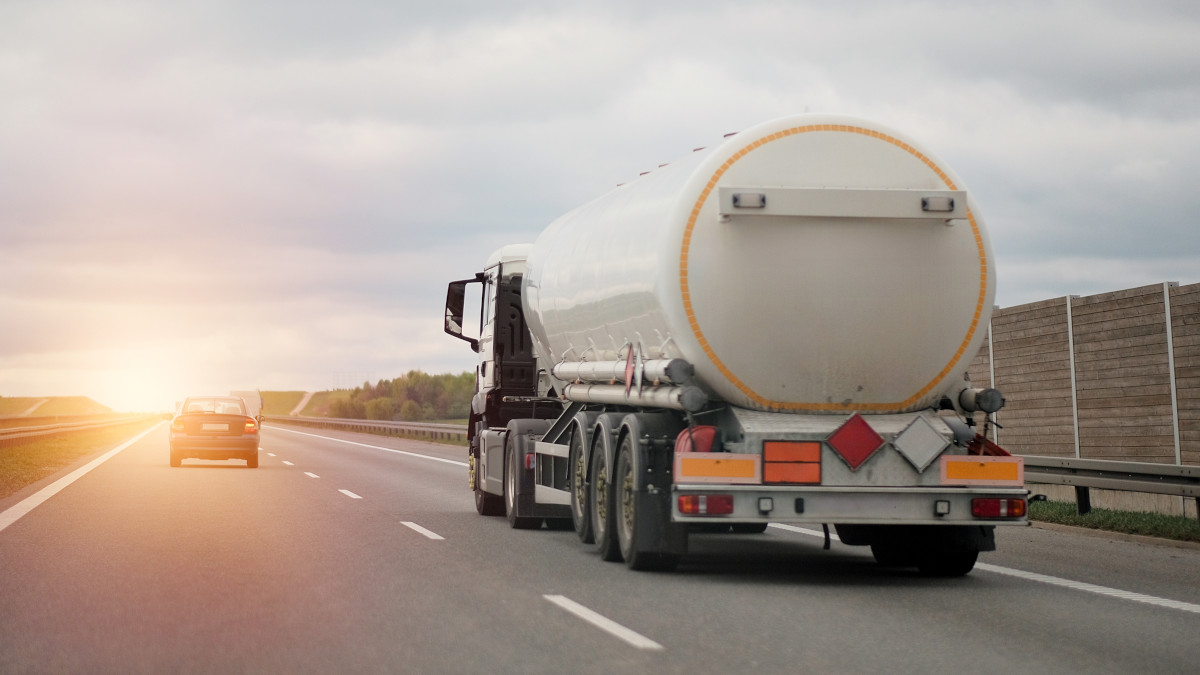
According to Gavin Kelly, CEO of the Road Freight Association, South African consumers will bear the brunt of these developments, with the March hikes already putting transporters in a worse position.
“Given that diesel is the primary source of fuel for most medium and heavy commercial transporters, this will place an immediate cost burden on daily operations,” he said.
“Transporters will be faced with – either immediately or later, depending on their operating models or agreements – factoring this increase and any others that may arise into their pricing when offering freight transportation services.”
This means that the gains which were achieved through the gradual reduction of the basic fuel price during 2025 will be erased, and the consumer will, inevitably, begin to feel this change in increasing prices at the till, he said.
“Unfortunately, fuel is one of the basic input costs in a transportation business that has a huge impact on rates for transport.”
“The general economy will also not be immune, with this pressure becoming an upward inflationary force, thus affecting both future decisions regarding the repo rate and the value of the rand in the pocket of the man on the street,” he said.


















 Loading ...