

Petrol price relief for some banking customers in South Africa


With fuel prices continuing to climb in South Africa, FNB has announced a temporary boost to its eBucks fuel rewards, following a similar move from Absa in April.
Running from May to June 2026, FNB is giving customers a guaranteed 50% increase in eBucks earnings on fuel at Engen.
This is on top of standard monthly rewards, it said.
To qualify, FNB customers need to meet their standard monthly eBucks qualifying criteria and spend a minimum of R450 on fuel at Engen each month during the campaign period.
For an FNB customer already navigating FNB’s complex terms and conditions and earning requirements for fuel rewards, they could earn up to R12 per litre in eBucks.
This would be a Private Banking client on eBucks Level 5 who meets the WesBank and insurance qualifying criteria and currently earns R8 back per litre in eBucks on qualifying fuel spend.
During the campaign, the customer will earn an extra R4 per litre.
FNB’s move follows a similar initiative by Absa at the end of April, where it also boosted its fuel rewards for customers who fill up at Sasol.
Under Absa’s programme, customers on different tiers can earn different percentages of cash back on their qualifying spend.
This ranges from 0.7% for a tier 1 debit card holder to 30% for a tier 5 credit card holder. The tiers are based on the bank’s own complex array of terms and conditions and prerequisites.
The change for May was that the qualifying spend at Sasol was bumped up from R3,000 a month to R5,000 a month.
The other major banks in South Africa also have fuel reward programmes, but have not yet announced any changes to offer more relief to their customers.
However, with fuel prices being hiked by over R3 and R5 for petrol and diesel, respectively, this week, and more price hikes to come in the months ahead, motorists will be looking to eke out any savings they can.
Calls for relief for workers
The banking rewards programmes are structured to deliver the most benefit to top-tier customers, and typically those with the means to score the most points to get there.
However, for entry-level customers and those who are not banked, the struggle with rising fuel costs hits much harder.
According to the Public Servants Association (PSA), the ongoing fuel-price increases are rapidly driving up the cost of transport and essential goods.
This is placing immense pressure on strained household incomes, especially among the working class, which has to absorb escalating commuting costs and higher living expenses.
Meanwhile, employers are not offering any concomitant relief.
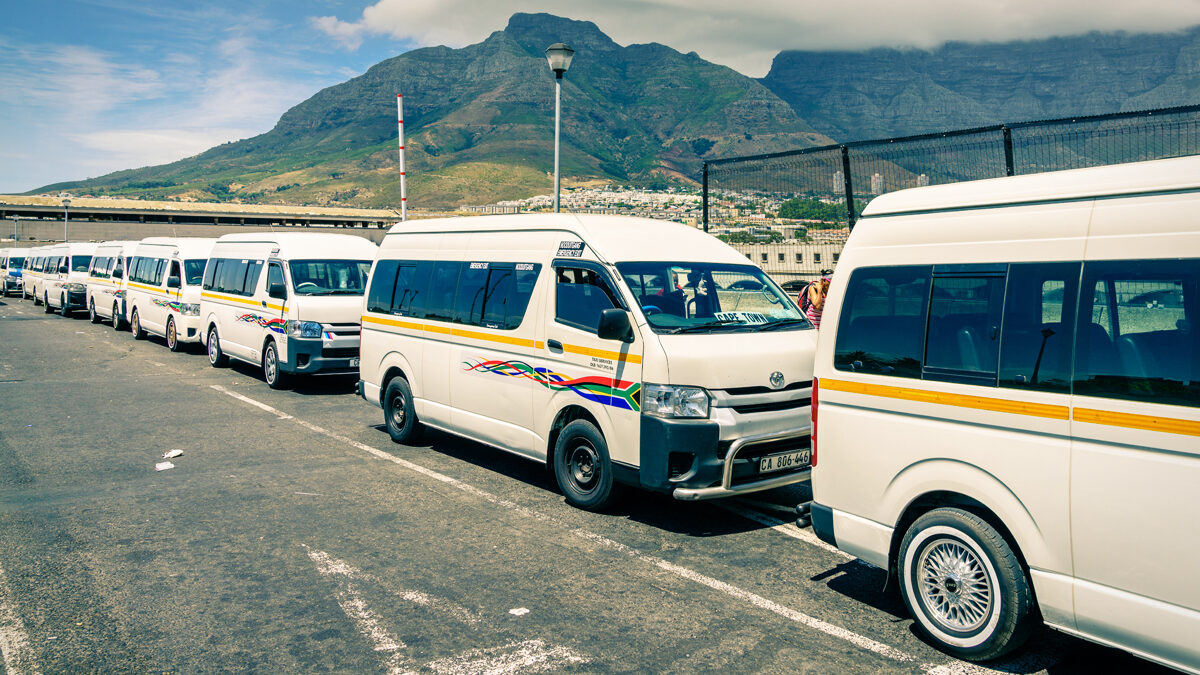
The union said that low-income workers are forced to commute, and the collapse of cheap, reliable rail transport in the country has exacerbated their strain.
“For a worker earning less than R10,000 monthly, transport consumes a large share. Further rises from fuel hikes push families into impossible trade-offs,” it said.
Informal workers and small businesses lack buffers, it added, warning that the situation is not sustainable.
The union appealed to the government, employers, and civil society to find more ways to mitigate the impact of fuel price increases on the economy and livelihoods.
For employers, the PSA called on businesses to consider transport subsidies for employees, sponsor fuel vouchers, and implement hybrid-work models and flexible working hours where possible.
For workers and colleagues, it suggested alternatives such as carpooling, lift clubs, and community shuttles to mitigate the impact of the fuel-price increases.
The Department of Mineral and Petroleum Resources has stressed that the fuel levy relief offered in April and May will be ending from June and will be terminated entirely in July.
However, it is working with the National Treasury to review how fuel prices are calculated as a possible avenue to address rising prices over the longer term.
















 Loading ...