

South Africa ‘fundamentals’ chasing investors away


South Africa’s damaged reputation is making foreign investors sell off bonds at high volumes – and the South African Reserve Bank (SARB) says it has done all it can with the tools it has.
However, domestic failings outside of its control are adding fuel to the fire.
Following the SARB’s recent monetary policy decision to raise rates by 50 basis points, the SARB held a Q&A session to further explain the current state of affairs.
When questioned on the recently reported high volume of government bond sales, the SARB said that the risk premium associated with South Africa is contributing to the rise.
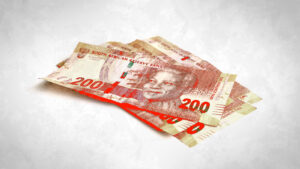
South African government bonds worth approximately R200 billion have been sold, while the rand has experienced a 39% depreciation over the past decade, making it the worst-performing currency among emerging markets.
“Ten-year bond yields reached a high of 13.78% on the 23rd May, and currently trade at about 12.3%, despite the expected moderation of inflation over the forecast period,” said the SARB.
Traditionally, investors looking for less risky assets prefer low-yield bonds, whereas high-yield bonds are more risky.
DFM Global, a fund management firm, recently highlighted that foreign investors are withdrawing their capital from South Africa at an increasing rate due to the country’s volatility and a lack of clear investment incentives.
The governor of the SARB, Lesetja Kganyago, said: “You cannot hold a lid on a boiling pot forever; if bond yields rise there is nothing you can do to bring it down unless you correct the fundamentals.”
Fundamentals include the country’s fiscal stance, fiscal developments and political developments, which are all playing into the risk premium of South Africa.
SARB said that elevated debt levels, for example, are continuing to contribute to the risk premium and because it continues to worsen – it feeds into the weak exchange rate.
To address such issues, the SARB said that there are tools to do so; however, they are not within the control of the central bank.
If other price setters in the public sector – from electricity to water tariffs – ‘play ball’ in line with inflation and municipalities jack up rates and tax prices, inflation can be curtailed, said Kganyago.
From a central bank perspective, the tool at its disposal regarding inflation is the bank’s policy rate.
Magda Wierzycka the founder and executive chairman of Sygnia said that South Africa’s reputation among the global community, especially the West, has been bogged down by the recent greylisting, diplomatic failings around the Russia ‘Lady R’ saga and continued load shedding that is beating economic growth expectations perpetually lower.
In addition to this, the prevailing energy crisis and years of government policy missteps are adding to the storm of persistently low growth, high levels of unemployment and stagnated policy reform.
















 Loading ...