

Huge swing for the rand


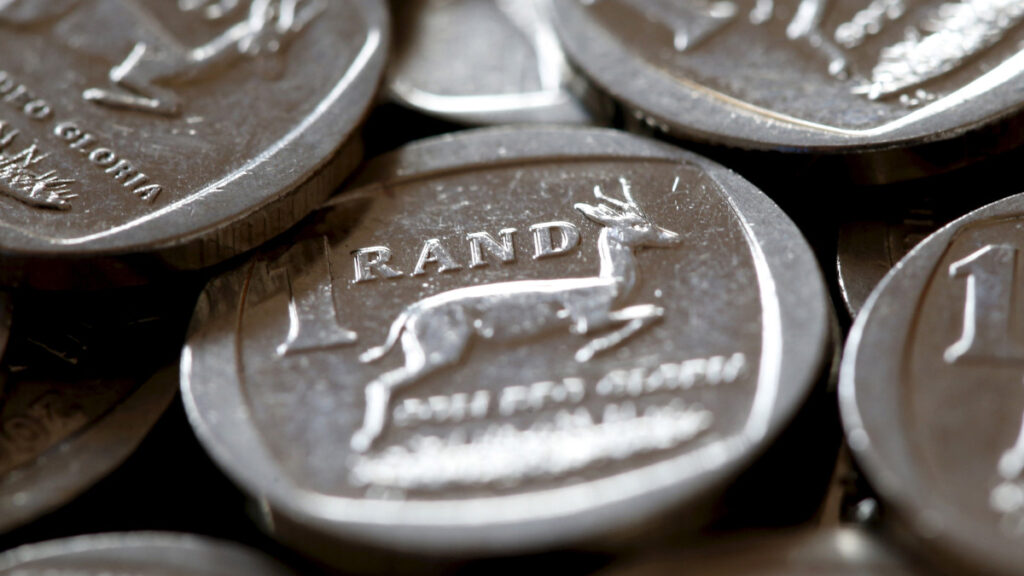
The rand has taken a sharp turn as markets celebrated a two-week ceasefire between the United States and Iran, averting potential disaster in the Middle East—for now.
The Trump administration in the United States announced late on Tuesday (7 April) that Iran had agreed to the ceasefire, giving the countries room to iron out a longer-term agreement.
Earlier in the day, US President Donald Trump issued a threat that Iran faced the destruction of “an entire civilisation”, should an agreement not be reached.
Market tension built as the deadline loomed, which was released once the deal was announced.
The rand soared when the news broke, as risk appetite recovered rapidly, initially rallying to R16.39/$ before giving back some ground.
By 08h20, the rand traded at R16.40/$, R19.17/€, and R22.01/£, showing gains across the board.
According to Citadel Global Director, Bianca Botes, markets celebrated the agreement, with US futures for all three major indices jumping over 2%.
Asian stocks followed suit, surging on the news, with the South Korean KOSPI and the Japanese Nikkei both gaining more than 5%.
Oil saw steep declines, falling below $100/barrel and trading 13.3% softer on Wednesday at $95/barrel. The US Dollar Index followed suit, shedding 0.7%, while gold gained 2% to trade at $4,802/ounce.
However, the immediate release of tension does not mean the end of market uncertainty, and attention is now turning to the ceasefire and its sustainability.
“The sustainability of the ceasefire now becomes critical, as any breakdown in negotiations can send markets back into a risk-off environment,” Botes warned.
According to financial advisory firm DeVere Group’s Nigel Green, the immediate relief in oil prices does not necessarily mean markets will fully turn.
He warned that even though immediate fears around a prolonged disruption to global energy flows through the Strait of Hormuz have eased, oil prices are set to remain structurally higher.
This is because prices before the cease-fire were pricing in worst-case scenarios, he said.
“Markets have been primed for this moment. Positioning had become defensive, volatility was elevated, and energy prices were reflecting worst-case assumptions,” he said.
“A pause, even a temporary one, releases that pressure very quickly.”
However, while energy equities may see short-term pressure as crude pulls back, Green said the structural backdrop remains tight, and supply constraints have not disappeared.
“A two-week pause does not rebuild inventories or solve geopolitical fragmentation,” he said.
“Oil is unlikely to return to previous lows quickly. The geopolitical premium is now embedded. Even with de-escalation, traders will price in the risk of renewed disruption.”
Green said that diplomatic signals, compliance with ceasefire terms, and coordination over shipping routes through Hormuz will all be closely monitored.
If the ceasefire holds and progress towards a durable agreement emerges, the market rally can extend and broaden.
However, if the pause is not converted into a longer-term framework, sentiment would reverse just as quickly, he warned.
For the time being, the market rally is beneficial for South Africa, with the turn in the rand/dollar and easing of oil prices sparking hope for energy prices to follow suit.

















 Loading ...