

South Africa’s major courts explained


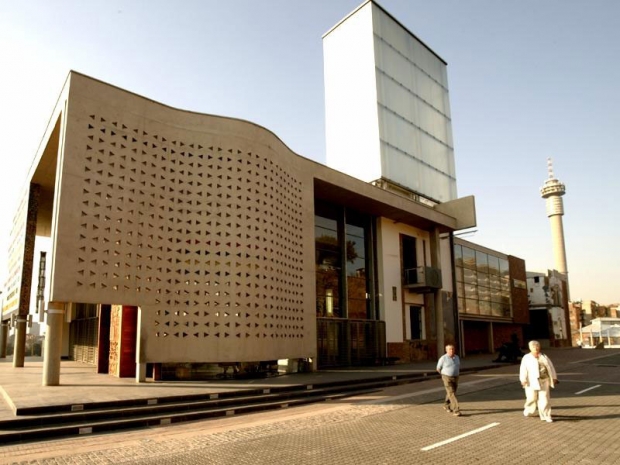
For most people the actual structure of the South African courts is something of a mystery.
Below Kirstie Haslam, partner at DSC Attorneys, offers a straightforward guide to the country’s different courts – including the types of crimes they will hear and the cost restrictions involved.
Small Claims Court
Small Claims Courts deal with any civil matter where the claim is for less than R15,000. Typically, these claims involve individuals rather than companies or corporations.
Examples of matters that can be taken to a Small Claims Court include:
• claiming goods that are due to you or monies owed
• claiming damages
• claims based on violations of legal agreements or documents.
Magistrates’ Courts
Magistrates’ courts are at the lower level in South Africa’s system of courts. They’re divided into district and regional courts.
District courts hear civil matters and less serious criminal cases, involving offences other than rape, murder or treason. They can impose fines of up to R120,000 and prison sentences of up to 3 years.
Regional courts may also hear civil matters and can deal with criminal cases involving any offence except treason. They can also hear divorce cases.
A regional Magistrate’s Court can impose fines of up to R600,000 and hand down prison sentences of up to 15 years.
High Courts
There are ten provincial and three local High Courts, each presiding over a different jurisdiction, in South Africa. These courts hear cases that can’t be handled by the Magistrates’ Courts.
Circuit courts are also part of the High Court system and they move around the country in order to serve more rural areas.
Supreme Court of Appeal
The Supreme Court of Appeal deals exclusively with appeals against rulings. No other court, except for the Constitutional Court, can change a decision made by the Supreme Court of Appeal.
Constitutional Court
The Constitutional Court is the highest court in the land and deals with constitutional matters. It hears appeals that relate to the Constitution only after a judgement has already been handed down.
All other appeals go to the Supreme Court of Appeals.
No other court can overturn a ruling made by the Constitutional Court.
Specialist courts
A number of specialist courts have been established by Parliament to deal with matters in specific areas of law.
These include the Labour Court, Land Claims Court, Electoral Court and Tax Courts.
All except the Tax Courts have a status similar to the High Courts. The Tax Courts deal specifically with disputes between SARS and taxpayers.
Military courts
The military courts deal exclusively with cases involving members of the South African National Defence Force, who are subject to the Military Discipline Code.
They deal with serious offences that can’t be handled by a commanding officer.
Read: The best universities in South Africa to study business and law

















 Loading ...