

Good news for the 174-year-old industry in South Africa employing 472,000 people


South Africa’s mining sector has seen strong growth in the past year, boosted by improved reliability of the national electricity grid, but energy issues remain.
Mining is one of the country’s biggest economic sectors, contributing roughly 472,000 jobs and 4.5% of South Africa’s total employment.
The sector has struggled in recent years to continue its operations effectively due to unreliable service delivery, particularly in electricity.
South Africa’s main energy provider, Eskom, has struggled in the past to meet the country’s needs, with demand often outstripping supply.
These issues ultimately led to the implementation of loadshedding, where power was intermittently switched off around the country, to reduce the demand.
During loadshedding, some areas went without electricity for up to eight hours per day when Eskom experienced severe supply issues.
Eskom has not implemented loadshedding in over one year, attributing this to improved reliability at many of its power stations.
The improved reliability of the national grid has been good news for many of South Africa’s economic sectors, particularly the mining industry.
Mining operations are notoriously heavy electricity consumers and have often seen their work disrupted by loadshedding in the past.
The improved reliability has led to enhanced refining operations nationwide, including at Valterra Platinum, which has increased its total refined platinum by 36% in one year.
In Valterra’s 2025 interim results, it had reportedly refined approximately 251,000 ounces, which increased to 341,000 ounces in its 2026 interim results.
The increase in refining was observed across all platinum group metals (PGMs) mined by the company, resulting in higher sales and revenue.
Valterra Platinum saw its revenue increase by approximately 1,600% between 2025 and 2026, and a 127% increase in platinum sold from its Mogalakwena mine alone.
Valterra’s Mogalakwena operation is the largest open-cast platinum mine in the world, and is a major driver of the company’s recent success.
Not all good news
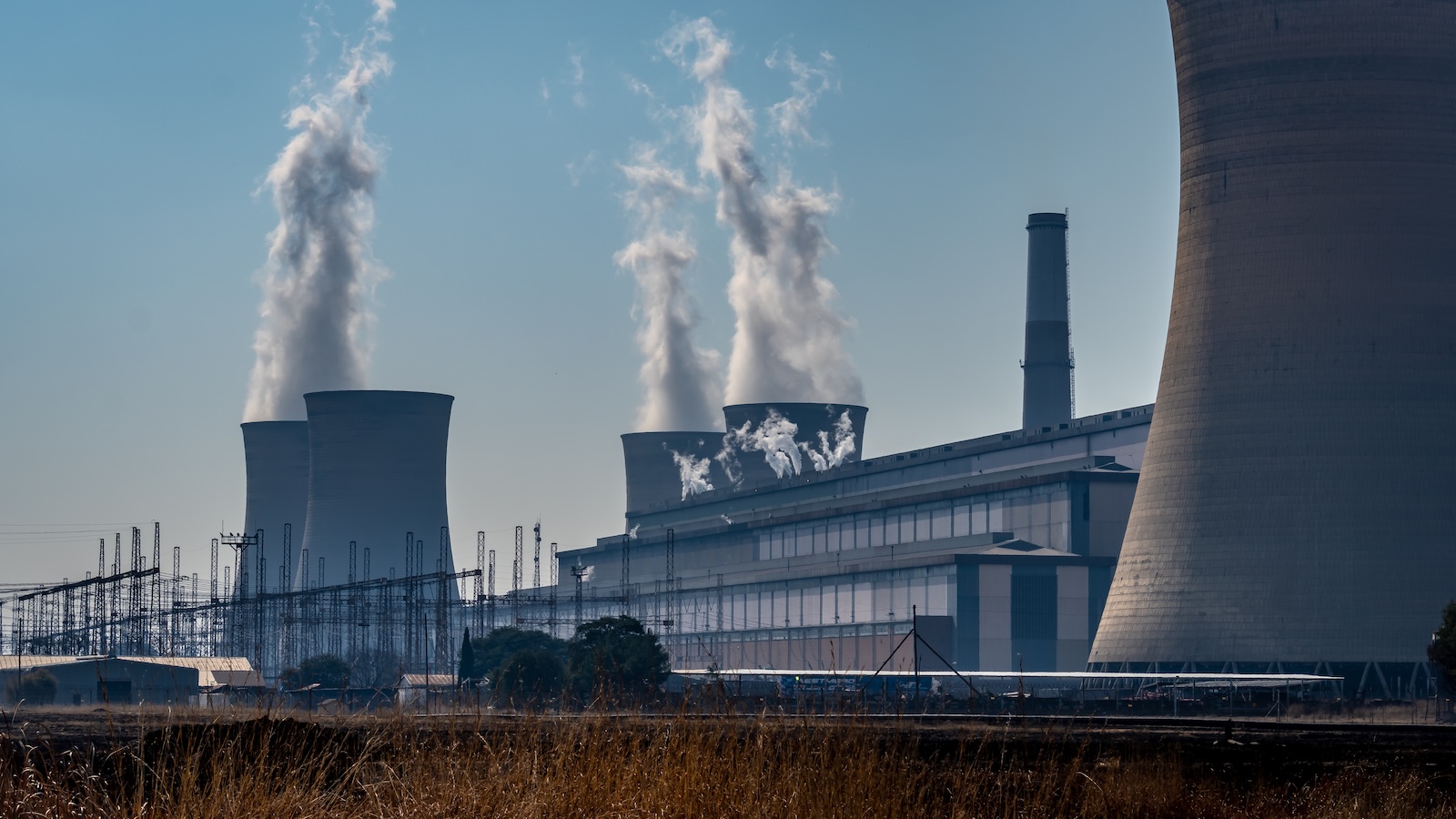
While the improved efficiency from Eskom has been welcome news for mining operations, the South African Minerals Council said there are still problems to come.
The group warned that despite improvements in Eskom’s Electricity Availability Factor (EAF), the power supplier’s total output is still decreasing.
The EAF is an index used by Eskom to show how well it meets the country’s energy demands, and it reached approximately 82% on 24 July 2026.
This follows months of improvements in the EAF, demonstrating that the power supplier has consistently met electricity demand over the past year.
While this is good news in the short term, the Minerals Council has previously warned that Eskom’s electricity production is still declining.
Between April 2025 and April 2026, South Africa’s total electricity production declined by approximately 8.7% year-on-year.
The council said improved electricity availability may be due to reduced demand from larger industry players in South Africa.
It reported that several large industrial operations have increasingly moved towards generating their own electricity through generators or renewable electricity.
The move to self-generation has been necessitated by the continuous increases in electricity tariffs, which have doubled prices over the last decade.
The Minerals Council has repeatedly fought these tariff increases in recent years, often citing the mining sector’s contribution to South Africa’s economy as a reason not to raise operational costs.
Despite these challenges, the sector has seen its electricity costs continue to rise due to Eskom tariff increases.
Recent data from Stats SA show that South Africa’s mining production shrank by 4% year-on-year in June 2026.
In the first three months of the year, mining production increased year-on-year, with the largest increase of 10% in February.
Despite a good start to the year, the sector saw a decline in total output in May and June, with the largest drops in PGM and coal operations.


















 Loading ...