

5 important things happening in South Africa today


Here’s what is happening in and affecting South Africa today:
A big loser for SA: A study by the GAIN Group says inefficiencies at Transnet are costing the economy R1 billion a day, meaning the economic growth of 0.5% expected for 2023 could have been 10 times higher at 5.4%. The report noted that export coal prices have declined considerably, and the nearly 5% GDP loss is catastrophic but could have been even worse at higher commodity prices. Transnet blamed lower rail volumes due to operational ineffectiveness and flooding in KwaZulu-Natal as the culprit for poor performances in 2023. [Moneyweb]
National Treasury is stressing: With commodity prices sliding and growth weakening on load shedding and logistics constraints, the latest monthly figures from the Treasury show corporate tax receipts have declined by more than 20% since a year ago, while the unbudgeted public sector wage settlement has driven up spending. Economists now estimate the deficit and debt ratios will be significantly worse than Finance Minister Enoch Godongwana projected in his February budget. The head of the Treasury’s budget office, Edgar Sishi, has made it clear that the budget in October will have to clamp down on government spending. “The 2023 medium-term budget is not going to be happy for the spenders,” he said. [Business Day]
Former Eskom CEO and COO in hot water: Former Eskom CEO Andre de Ruyter and former COO Jan Oberholzer allegedly supported a deviation from Eskom’s payment policy concerning a controversial R500 million security contract with Fidelity. The Association of Private Security Owners of South Africa (Tapsosa) is demanding an inquiry into the tender processes Eskom followed. City Press reported that Eskom insiders gave the publication access to a letter from Pillay to then Eskom CFO Calib Cassim, requesting permission to deviate from the utility’s payment policy and fast-track invoice payments to Fidelity amounting to more than R250 million. [Daily Investor]
Dodgy diesel: South African consumers and businesses are increasingly reporting contaminated diesel, which is destroying their machinery. In Limpopo, a transporter first noticed the viscosity of the engine oil in his trucks was strange and subsequently traced it back to the diesel supply, which, in fact, contained almost 40% paraffin. The high costs of diesel and the fact that the diesel price at the pumps is not regulated – allowing competitors to undercut each other – is encouraging criminally-minded suppliers to contaminate their stock for monetary gain. [News24]
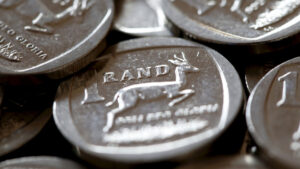
Markets: The South African rand jumped on Friday after employment data out of the U.S. showed an easing of labour market conditions, cementing expectations the Federal Reserve may not need to hike interest rates when it meets later this month. The South African currency had gained more than 1% earlier in the day, paring some of its more than 5% losses in a highly volatile August. On Monday (4 September), the rand was trading at R18.76/USD, R20.23/EUR and R23.65/GBP. Oil is trading at $88.58 a barrel. (Reuters)















 Loading ...