

Dark clouds gather over South Africa’s most important industry


Numerous experts warn that the latest draft amendment to the Mineral and Petroleum Resources Development Act (MPRDA) will cause tremendous damage to the mining industry.
On 20 May 2025, Minister Gwede Mantashe gazetted the Draft Mineral Resources Development Bill, 2025, for public comment by 18 August 2025.
Mineral and Petroleum Resources Minister, Gwede Mantashe, said it marks a significant milestone in ensuring policy and regulatory certainty.
He added that the Bill, along with the Critical Minerals and Metals Strategy for South Africa, will maximise the country’s potential in the global market.
Webber Wentzel highlighted that the Bill has not been introduced to parliament, which will only happen later.
A revised draft, incorporating public comments, will likely be introduced to parliament later and follow the formal process under the relevant portfolio committee.
The Bill proposes several noteworthy amendments to the current regulatory framework for mineral resources.
James Lorimer, the DA’s Mineral and Petroleum Resources spokesman, said the draft amendment contains many problematic clauses.
He said the new Mineral Resources Bill will effectively end the already tottering case for foreign investment in South African mining.
“The bill seeks to double down on racial transformation and brings back a legion of bad ideas that the courts dismissed,” he said.
“The bill is poorly thought out. It is contradictory and unclear in several places. It grants new powers to the Minister to rule the industry according to his whim.”
He said that judging by the mood of the mining industry in reaction to this bill, there will be no shortage of people who will challenge it in court.
“Even though most of its provisions face likely defeat, the time taken to work its way through the courts will be time lost, as uncertainty over the future will drive away investment,” he said.
He said the mining industry is too important to South Africa to be left in the hands of a minister who has become known for his serial mistakes.
Problems with the new Mineral Resources Bill
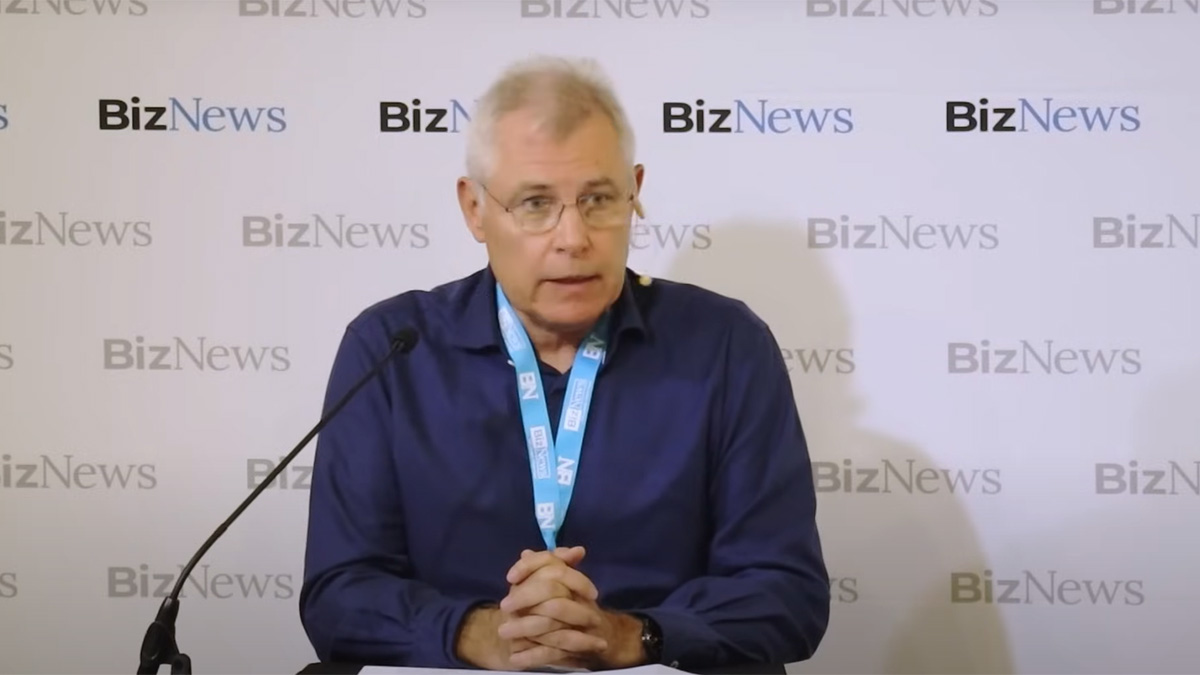
Lorimer highlighted numerous problems with the new Mineral Resources Bill, that harm an industry, which is already struggling.
- The end of once empowered, always empowered – The bill allows for the rapid overturning of the “once empowered, always empowered” opening the door to the need for constant injections of new BEE investors, which will deter investment.
- Restriction on certain mining licenses – The bill proposes a restriction on certain licences to black people only, which appears unconstitutional.
- Ministerial approval for ownership change – Ministerial approval would now be required for the change of control of any listed company holding a mining licence, even if it occurs indirectly on a non-South African stock exchange.
- Local beneficiation – There is a vague requirement that certain minerals would have to be “made available” for local beneficiation.
- Social and labour requirements – Uneconomic mines would still have to continue paying for their social and labour plans, even while on care and maintenance and generating no income.
- Mine Closure Certificates restrictions – Mine Closure Certificates will no longer terminate the miners’ environmental liabilities.
- Mine dumps will be treated as mines – The Bill redefines mine dumps that, prior to 2004, were designated as movable assets that did not require a prospecting or mining right. They would now be treated as mines requiring mining licences with all the consequent requirements for participation in the race.
- Racial empowerment requirements – Racial empowerment requirements would apply to the prospecting phase, which members of the mining industry say will end almost all mining exploration.
Lorimer told Biznews that South Africa’s mining reputation is already in freefall, and that this Bill will further hurt the industry.
The Fraser Institute’s annual rankings place South Africa among the least attractive mining destinations globally.
Lorimer attributes this to both flawed policy and catastrophic administration. “Our desirability has been going steadily downward,” he said.
He said the Bill looks like an attempt for politically connected individuals to lock in economic power through legislation that creates future dependencies.
“Tens of millions are handed to hand-picked individuals, with little oversight and no clarity on criteria. If any of them do turn a profit, you know who they’ll be beholden to,” he said.
Minerals Council South Africa criticizes the Bill

The Minerals Council South Africa said the Mineral Resources Development Bill does not reflect its inputs or those from its members.
The Minerals Council South Africa is a mining industry advocacy organisation that supports and promotes the interests, development and growth of the South African mining industry.
Minerals Council CEO Mzila Mthenjane said they shared their inputs during brief, high-level engagements with the Department of Mineral and Petroleum Resources.
“The draft bill is not altogether optimal. We did have engagements with the department, but we cannot see where our inputs were taken into consideration,” said Mthenjane.
“What we were exposed to in our two engagements was very high level, and we were not given any access to the underlying wording of what we were shown and how it was being amended.”
Mthenjane points to oft-repeated public comments by Mantashe that prospecting companies were excluded from the same empowerment requirements for holders of mining rights.
“We raised this point over and over with the department that the amendments must exclude prospecting companies from empowerment requirements,” he said.
Exploration is the highest risk part of the mineral value chain and imposes an unnecessary burden on prospectors who must sink every rand into drilling and data interpretation.
Despite the capital-intensive nature and high risk associated with mining exploration, the Bill forces empowerment on exploration companies.
The Minerals Council stated that it continues to review the Bill and will further engage with the department to co-create a regulatory environment that will attract and support investment.

















 Loading ...