

New mafia wreaking havoc across South Africa


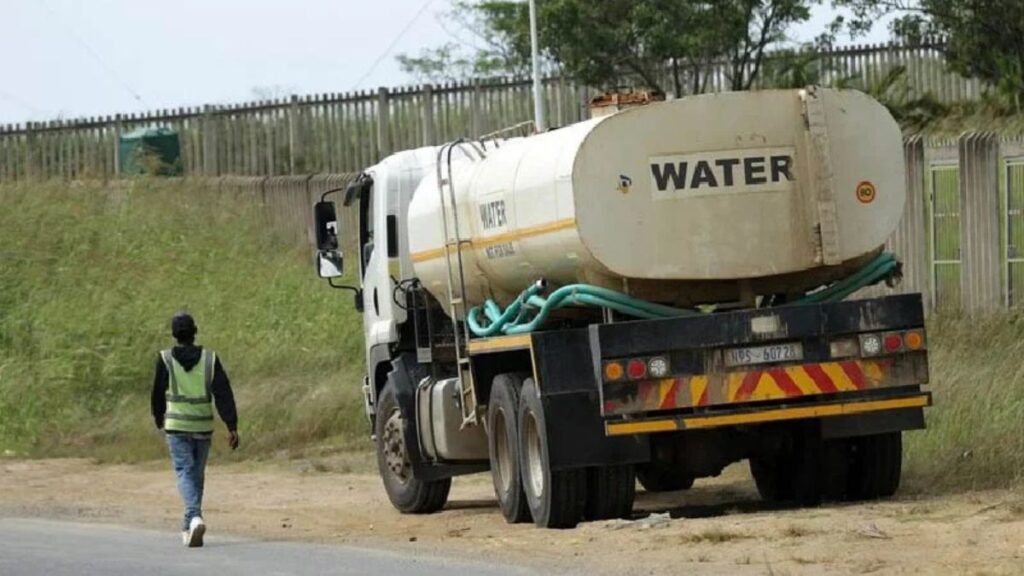
Water tanker mafias are wreaking havoc across South Africa, and some are calling for these groups to be considered under the Terrorism Act for exploiting one of the country’s most essential resources.
For years, South Africa has grappled with an escalating water crisis driven by drought, governance and infrastructure failure, and climate change.
However, criminal syndicates have turned water provision into a racket, using extortion, sabotage, and threats to dominate the tanker water supply industry.
Over half of the water supplied by bulk providers like Rand Water, the country’s largest water utility, is lost due to leaks, theft, and poor management before it even reaches consumers.
The situation is worsening as climate change intensifies droughts, while rapid urbanisation and population growth increase water demand.
The water ministry previously warned that nearly R90 billion will be needed annually for the next decade to fix and expand water infrastructure capable of meeting national needs by 2030.
As the government fails to meet this challenge, private water tankers, meant initially to temporarily plug service gaps, have become entrenched fixtures.
What was meant to be a short-term solution during emergencies has become fertile ground for criminality, with so-called “water mafias” infiltrating the sector.
It has been reported that these groups secure municipal contracts through bribery, intimidation, and sabotage.
The groups deliberately vandalise infrastructure to extend their contracts, illegally charge residents for water, fill tankers at municipal points to sell water for personal gain, and sometimes contaminate supplies to win future tenders.
Their operations are deeply embedded in local procurement systems. According to Dr Ferrial Adam of WaterCAN, a civil society group promoting water equity, tanker mafias have captured the entire chain.
This includes officials who receive kickbacks for tenders and individual tanker drivers who illegally tap into municipal water lines and sell water to impacted communities.
The destructive impact of water mafia groups

The water mafia problem is especially severe in provinces like Gauteng and KwaZulu-Natal. Gauteng, South Africa’s economic hub, faces growing water scarcity due to infrastructure delays, corruption, and ballooning population growth.
The long-postponed completion of the Lesotho Highlands Water Project has also contributed to mounting pressure.
Between 2018 and 2023, municipalities in the province spent almost R2.4 billion on water tanker contracts.
When a cholera outbreak struck the community of Hammanskraal in 2023 due to a contaminated waste treatment plant, residents became dependent on tanker deliveries. A year later, more than a thousand people still relied on tankers.
According to Tshwane official Themba Fosi, some of the city’s infrastructure was being intentionally tampered with, and residents had raised concerns about suspicious activity by tanker drivers at reservoirs and fire hydrants.
KwaZulu-Natal faces similar issues. Private tanker mafias have flourished in eThekwini, where urban growth has outpaced service delivery.
A GroundUp investigation found that in towns like Adams Mission, nearly all residents had bought water from illegal private suppliers.
It also found that these mafias charge up to 15 times more than the rates set by the city. In areas where municipal deliveries are absent, a 28,000-litre tanker can reportedly generate more than R1 million in just a few days.
Most recently, the Eastern Cape has become the latest hotspot for these criminals. Devastating floods in July 2025 destroyed infrastructure across the province, which displaced thousands and left communities without access to clean water or electricity.
In Mthatha, part of the hard-hit O.R. Tambo District, the town’s water treatment plant became non-functional, prompting the Department of Health, the South African Police Service, and emergency services to call on the NGO Gift of the Givers for assistance.
However, the organisation’s efforts to deliver clean water were met with threats and intimidation from local water mafias.
According to Gift of the Givers’ Ali Sablay, while their trucks were collecting water from a municipal plant, two vehicles approached and ordered the team to leave.
The assailants said the team was “not wanted in the town” and issued threats about what would happen if they returned.
An act of terrorism
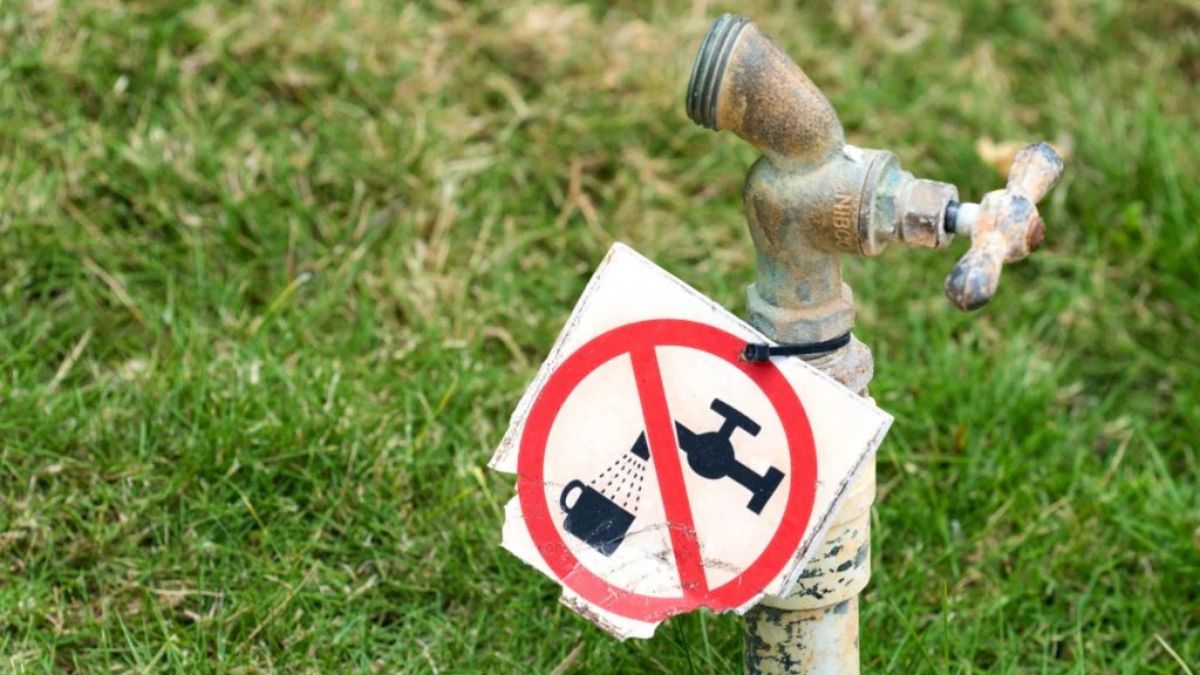
The brazenness of these groups highlights the growing power and impunity of the water mafias. Their reach now extends into humanitarian efforts, obstructing disaster relief and jeopardising lives for profit.
Experts at the South African Human Rights Commission (SAHRC) have sounded the alarm, warning that the country’s water supply is now under sustained and deliberate attack.
Dr Henk Boshoff and Peacemore Mhodi of the SAHRC argue that this sabotage should be prosecuted under terrorism legislation.
“Access to sufficient water is recognised as a fundamental human right in South Africa. This right is justiciable, meaning it can be vindicated in a court of law,” they said.
The SAHRC, in collaboration with the University of the Witwatersrand, is conducting the South Africa Water Justice Tracker Project to uncover the systemic barriers preventing local water service authorities (WSAs) from fulfilling their constitutional mandate.
In interviews with officials from 96 of South Africa’s 144 WSAs, the existence of water mafias was confirmed in every province assessed so far.
Boshoff and Mhodi argue that this criminal interference meets the legal definition of terrorism under South Africa’s amended Protection of Constitutional Democracy Against Terrorist and Related Activities Act (Pocdatara).
The legislation defines terrorist activity to include actions that cause “serious interference with or disruption of essential services, facilities, or systems”, a description that fits the calculated sabotage of water infrastructure by these criminal syndicates.
Given South Africa’s ranking among the 25 most water-stressed nations on Earth, and one of the driest countries globally, the implications of this criminality are serious. The experts noted that water is not just a utility but a matter of survival.
They explained that when syndicates manipulate access to this lifeline, they don’t just commit fraud or corruption; they violate the basic rights and dignity of South Africans, often with deadly consequences.
Boshoff and Mhodi added that prosecuting them under the Pocdatara framework could empower authorities to deploy more aggressive investigative and enforcement tools, disrupt their financial networks, and deliver more substantial penalties.















 Loading ...