

Ramaphosa sends an important message to South Africa


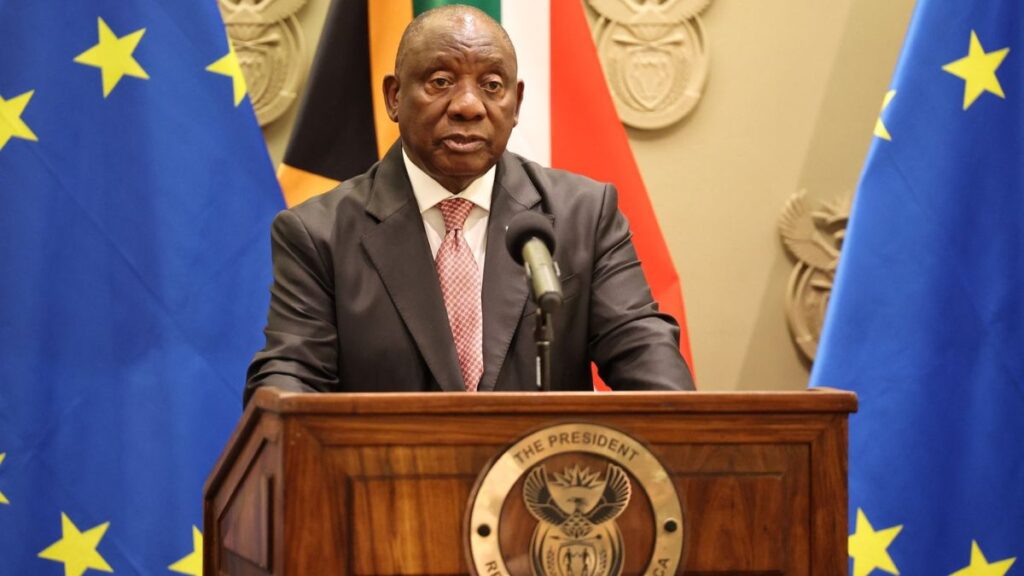
Following a challenging 2025, President Cyril Ramaphosa has delivered a message of hope for 2026, optimistic that the nation, including its economy, is heading in the right direction.
In his 2026 New Year’s Message, the president acknowledged the difficulties that South Africans faced over the past year.
This includes unemployment, inequality, poverty, high cost of living, gangsterism, gender-based violence and femicide, and service delivery failures.
“I acknowledge these difficulties plainly and give assurance that your struggles are known and understood. We are continuing to take a variety of actions to address these challenges,” he said.
“Our success in addressing these challenges includes working together in partnership between the government, business, labour, civil society, and every citizen committed to the future of our country.”
However, the president highlighted several improvements for the nation’s economy, including easing inflation, a strengthening rand, and a credit rating upgrade for the first time in two decades.
He said that the ratings upgrade will allow the government to mobilise funding for infrastructure investment and social development at lower rates.
The president also noted that the structural transformation programme, which started five years ago, is also showing positive progress.
This includes Eskom’s continued signs of progress, with the state-owned company delivering over R20 billion in profits in its latest financials and avoiding load shedding for several months.
The nation’s rail and port networks are also showing signs of progress, enabling an improved flow of goods.
Outlook for 2026

Looking ahead, the president said that infrastructure is one of the nation’s key priorities, with over R1 trillion budgeted for infrastructure development over the next three years.
The president said that the infrastructure budget has catalysed the revitalisation of South Africa’s roads, ports, rail, energy and water systems.
He added that the government has worked with the private sector to establish the Youth Employment Service.
This initiative has created more than 200,000 work experience opportunities for young unemployed South Africans, with the expectation that this number will increase in the coming period.
He added that the ongoing improvement of the business environment is also contributing to economic growth and job creation.
“Rooting out corruption is our overriding priority. Specialised task teams have made breakthroughs against illegal mining, kidnapping, economic infrastructure crimes and construction site extortion,” he said.
“We are determined to continue to take decisive steps to clean up our law enforcement agencies.”
The recommendations of the Madlanga Commission will then be implemented to enhance reforms needed to reposition the South African Police Service (SAPS) and other law enforcement bodies.
While it faced extreme criticism, Ramaphosa also highlighted the launch of the National Dialogue, which included delegates from across society.
The National Dialogue is set to continue into 2026, with a Steering Committee comprising community-based representatives that will lead the national consultations over the year.
“Despite the challenges we face, our country is getting stronger, our economy is improving. As we prepare to welcome a new year, let us remain united to build the South Africa of our dreams.”
Ramaphosa is not alone in his optimism, with many in the financial services sector seeing green shoots for South Africa.
The rand is expected to remain relatively strong against the US dollar amid local improvements, such as the credit rating upgrade and interest rate cuts in the US.
Following 150 basis points worth of cuts from the South African Reserve Bank (SARB), further interest rate cuts are also forecast in 2026 amid low inflation levels.
The economy is also expected to grow marginally, with the SARB forecasting 1.4% growth – up from an estimated 1.2% for 2025.











 Loading ...