

Where you can watch the 2026 State of the Nation Address live


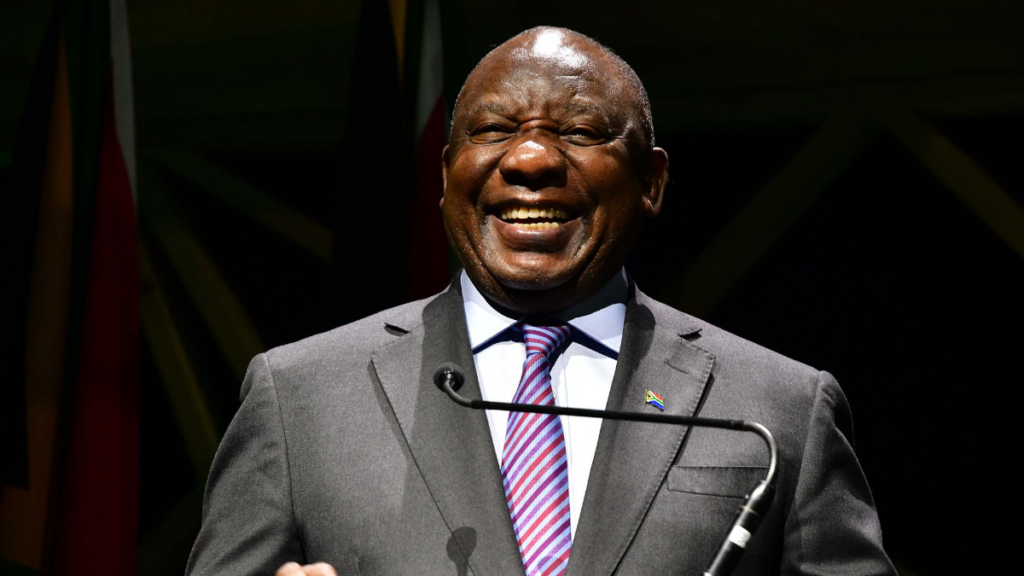
President Cyril Ramaphosa will deliver the 2026 State of the Nation Address (SONA) at 19h00 tonight, 12 February 2026.
The address will be streamed and broadcast across several channels, including news channels, radio stations, DStv, and live-streaming services.
You can watch the SONA from the following sources:
- Parliament TV
- ENCA
- SABC
- DStv channel 408
The SONA will also be streamed live below:
While the SONA often focuses on rhetoric and the National Budget on actual policy decisions, the President’s address is often a useful source for the government’s future plans.
“The SONA tends to touch on the same themes each year, comparing progress against the prior year and can give insight into the budget,” said Investec Chief Economist Annabel Bishop.
“However, the SONA also has a degree of blandness as the same topics resurface.”
She noted that business and investors will look for updates and plans to reduce or eliminate freight constraints, weak governance, and crime and corruption.
Although load shedding has been largely addressed, the country still sees load reduction where to inadequate transmission capacity to meet demand.
“The water and sanitation crises still persist, along with high unemployment, poverty and weak growth,” Bishop said.
There have also been concerns about insufficient progress in reducing red tape and bureaucratic processes, which have hurt the ease of doing business.
Hopes for the speech

Thys van Zyl, CEO of Everest Advisory Services, said that a central focus for the government should be improving growth.
South Africa is expected to see GDP growth from around 1.2% to 1.7%. Although this is an improvement, it is far below the 3% to 4% needed to reduce unemployment and raise living standards materially.
“At these levels, the economy is stabilising — not transforming. Without a sharp rise in fixed investment, particularly in energy, logistics, and manufacturing, growth will remain insufficient to absorb new labour market entrants,” said Van Zyl.
“What South Africans want to hear is not optimism, but a credible plan to lift growth above 3%, supported by timelines, funding clarity, and private-sector participation.”
Moreover, while headline inflation has moderated to near the new target of around 3%, households are still experiencing extreme cost pressures.
“Food, fuel, transport, and medical costs — the largest components of middle- and lower-income budgets — continue to rise faster than average inflation.”
“Medical inflation alone often exceeds 7–9%, while household debt levels remain elevated. South Africans are not asking for abstract macroeconomic victories. They want measures that reduce day-to-day pressure.”
He added that South Africa’s foreign policy posture has become more visible and more assertive. While he believes principled diplomacy matters, economic consequences cannot be ignored.
South Africa, for instance, still faces significant tariffs from the United States amid strained relations between the countries.
‘Trade relationships, particularly with major markets, directly affect jobs in automotive manufacturing, agriculture, and mining,” said Van Zyl.
“Diversification into African and Asian markets is essential, but slow. SONA must articulate how South Africa will protect jobs while navigating an increasingly polarised global environment.’
He noted that South Africans are not asking for miracles but merely momentum to catapult the country forward.














 Loading ...