

City of Tshwane cuts off shopping centre over unpaid bills


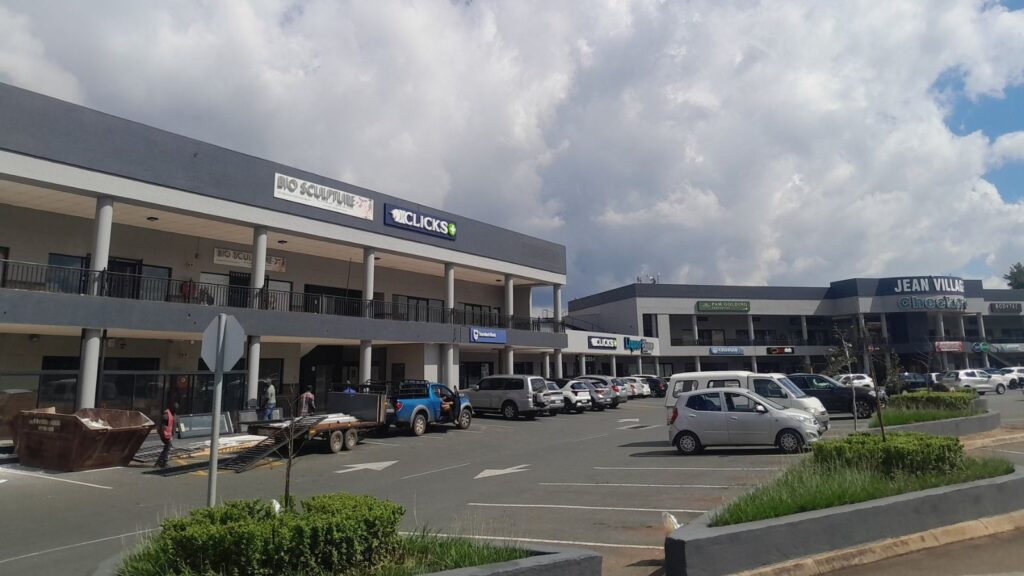
The City of Tshwane shut down a shopping centre as part of its Tshwane Ya Tima revenue-collection campaign.
On Monday, 20 April, Tshwane mayor Nasiphi Moya announced that the city had disconnected services to Heracles Prime Property, which includes the Jean Village shopping centre in Centurion.
According to Moya, the property owner owes the municipality around R3 million in outstanding bills.
The move forms part of a broader crackdown on unpaid municipal bills, with the city increasingly willing to act against both residential and commercial defaulters.
The shutdown of Jean Village follows a similar action taken against another property in Akasia, which houses the Galpini Village apartments.
In that case, the owner owed the city R718,000, prompting the Revenue Protection Unit to cut its electricity supply.
The municipality said the campaign is aimed at enforcing payment discipline across all categories of consumers.
“The Tshwane Ya Tima revenue-collection campaign seeks to disconnect services to defaulting clients who run up high service bills and fail to pay the City,” it said.
The city added that the initiative casts a wide net, targeting businesses, individual households, and residential estates alike.
“From the 188 disconnection job cards issued by the City, mostly for residential households worth about R50 million, 70 accounts were immediately and successfully disconnected in various areas,” it said.
Authorities have also warned that the campaign goes beyond simple disconnections. “Along with the disconnections, the City also imposes steep fines for meter tampering and illegal connections,” it said.
It also added that the next phase will focus on roughly 1,500 high-end defaulters who collectively owe the municipality billions of rand.
“The City of Tshwane would like to thank residents who pay their accounts on time and in full,” the city said.
“If customers are not able to pay their bills, they should come forward and make payment arrangements to avoid disconnection.”
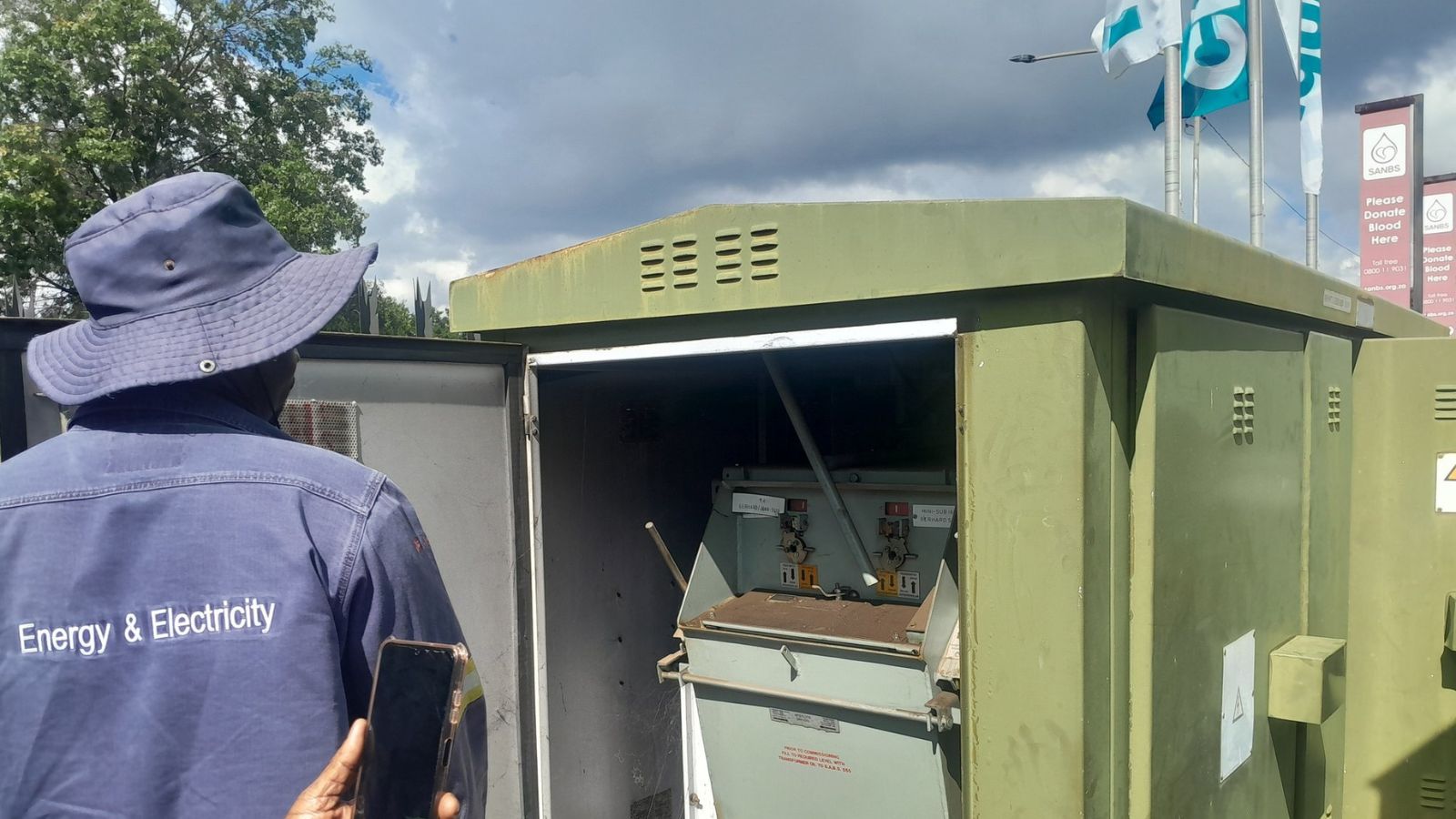
Effectiveness of Tshwane’s Ya Tima revenue-collection campaign questioned
In her recent State of the Capital Address, Moya said the metro has prioritised restoring financial discipline, rebuilding credible budgets, and strengthening internal controls.
She pointed to the adoption of a fully funded budget for the 2025/26 financial year—the first since 2021/22—which has been validated by National Treasury.
Revenue collection efforts, including the Tshwane Ya Tima campaign, have been coupled with improvements in billing accuracy and attempts to rebuild trust with residents.
According to Moya, these interventions are starting to show results. Cash-backed reserves have grown significantly, rising from R835 million to over R1.9 billion.
This is also projected to reach R2.86 billion by the end of the 2025/26 financial year. The city’s current ratio is also improving and is expected to reach 0.86.
She further noted that total debt, including obligations to Eskom, has been reduced from R6.66 billion in October 2024 to approximately R4.73 billion by the end of March 2026.
“We are honouring our commitments, paying service providers more efficiently, and restoring confidence in the city’s financial credibility,” Moya said.
The mayor also noted that the city has implemented cost-cutting measures, including a sharp reduction in outsourced services such as water tankers and security.
“These savings are being redirected into infrastructure, maintenance and building a capable state,” Moya said.
However, the campaign has drawn criticism from opposition parties. The Democratic Alliance argued that the city’s overall performance has been dismal.
“Since 2024, revenue collection in Tshwane has dropped from 93% of billings to 83%. The Tshwane ya Tima campaign has been ineffective at redressing the situation,” the party said.
The DA also questioned the credibility of the city’s budgeting assumptions and argued that they rely on overly optimistic revenue targets and income streams that may not materialise.
“Moya’s assumption that Tshwane has a funded budget is based on a 93% revenue collection goal, which has not been reached, and income from a City Cleansing Levy, which a court of law has set aside,” it said.















 Loading ...