

More name changes coming to cities and towns in South Africa


Deputy Chairperson of the South African Geographical Names Council, Johnny Mohlala, says the renaming of cities and towns is too slow, and new laws should accelerate the process.
Speaking to SA News, Mohlala described the current management of South Africa’s geographical names, more than three decades into democracy, as rather slow.
“My view is that we are moving at a very slow pace considering that since the Act was passed in 1998, we are only at some 1,500 names,” he said.
“I can tell you that there are still a number of names that still need to be standardised,” adding that “if we don’t move very quickly now, this may take longer than it’s actually supposed to be.”
He added that, while there is no set target for name changes, some in South African society do not embrace transformation, making it a “never-ending process”.
“The reason would be, among other things, there are quite a number of sections of the society that are simply anti-transformation,” he said.
The SAGNC is the body that advises the government on how the country names and renames its places.
The council operates under the South African Geographical Names Council Act, which is set for changes in the near future as the government aims to strengthen the name-change process.
This will be done through the Draft South African Geographical Names Council Amendment Bill, which was open for public comment until recently.
The Draft Bill seeks to amend the South African Geographical Names Council Act by more clearly defining consultation processes involved with name changes and creating an appeal process, among other changes.
The country has seen over 1,500 name changes processed since the council was established.
This includes major towns and cities, such as the renaming of Port Elizabeth to Gqeberha in 2021, and more recently, the renaming of East London to KuGompo City.
However, whenever these name changes occur, there is often a huge public outcry and allegations of a lack of consultation.
Many claim to have never been aware of any name change processes underway, and that, if any, public hearings are not communicated efficiently.
Opposition parties, in particular, have hit back at the processes, saying that the changes are often pushed through despite opposition, with no way to appeal them.
The new laws aim to address this.
Changes to the process
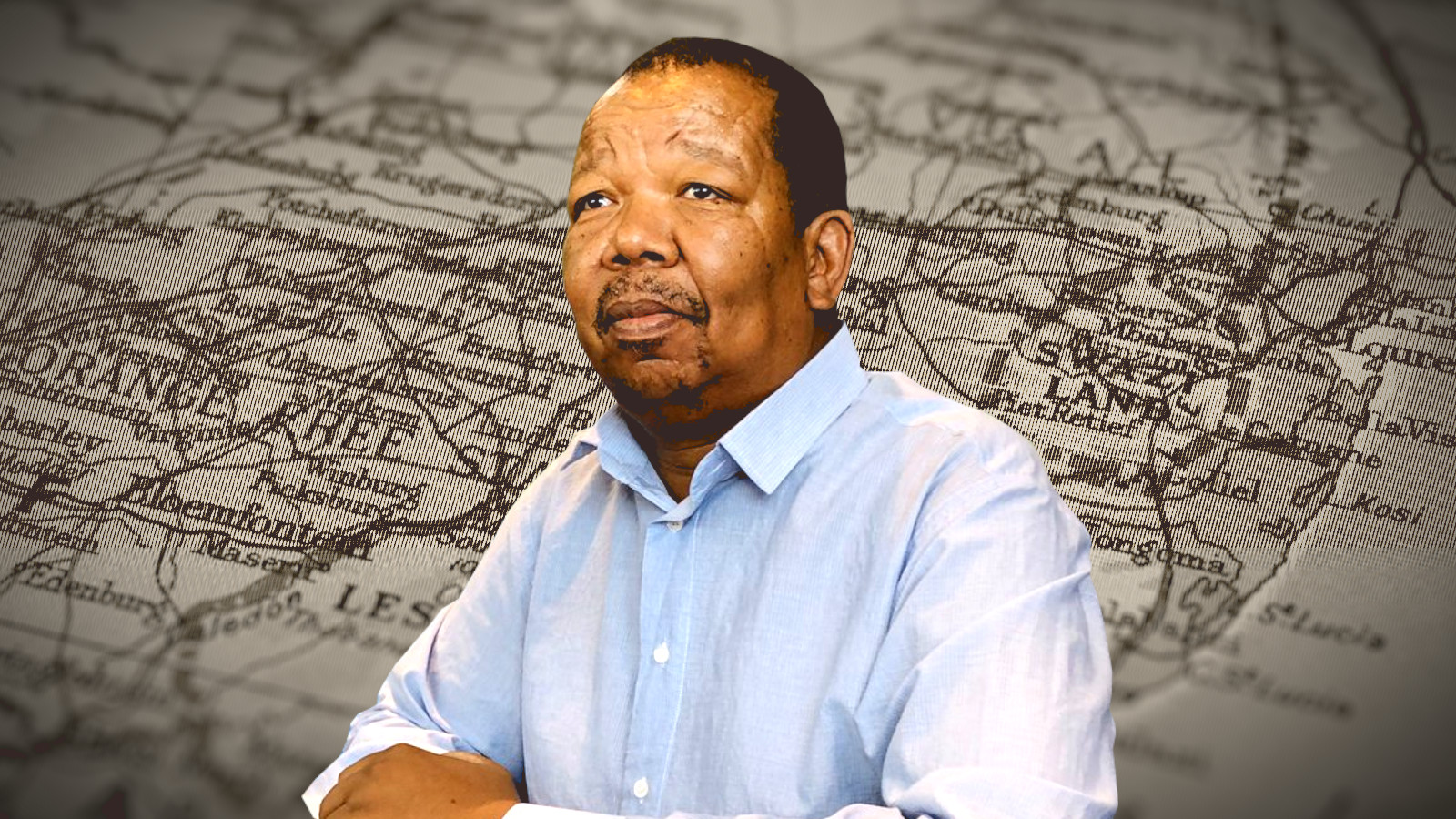
Mohlala said the key changes to the laws will go a long way in clearing the hurdles that bog down name change processes.
The appeal tribunal is a critical feature, as people who are unsatisfied with name changes currently raise their objections directly with the minister.
The minister’s role is to gazette the change at the end of a much longer process.
“We believe that by bringing in an appeals board or committee or a tribunal, we might close that gap,” he said.
He added that defining consultation and the processes is also a critical step, as this hasn’t been part of the laws before.
“Over the years, there has never been a definition of what constitutes consultation,” he said.
“Now, the thing being that we’ve been through court, and it was through judgments that were given by the court that we have come to an understanding of what satisfies the court as sufficient consultation.”
The Draft Bill defines consultation as a “mandatory, multi-stakeholder engagement process conducted in good faith to solicit, consider, and incorporate informed views”.
These views are “from relevant communities, authorities, and experts on proposed geographical names or name changes, prior to evaluation, recommendation, or approval”, among others.
With the changes, the process for name changes will be more clearly defined.
- The process starts with someone filling out an application form, which is then submitted to the Council after being reviewed by the Provincial Geographical Names Committee.
- The Council will then assess the application and see whether it satisfies the requirements set out in the standard operating procedure.
- Once the Council has satisfied itself that the application meets all the requirements, it recommends the name change and sends the recommendation to the Minister.
- The Minister will then decide whether to gazette the name or not.
- After gazetting, anyone who is not satisfied with the decision still has about 30 days to object to the name change.
- Even after the objection process has been finalised, one can still go to court and ask the court to arrive at a particular determination.
Mohlala said that name changes are an emotive issue, and more can be done around public awareness.
However, he insisted that it is a process that is crucial to restoring people’s dignity and part of reparations to the people of South Africa.
“We cannot continue to be a proud people if we get offended by some of the names that we see on signboards,” he said.
With SA News

















 Loading ...