

New driving laws for 62 municipalities in South Africa


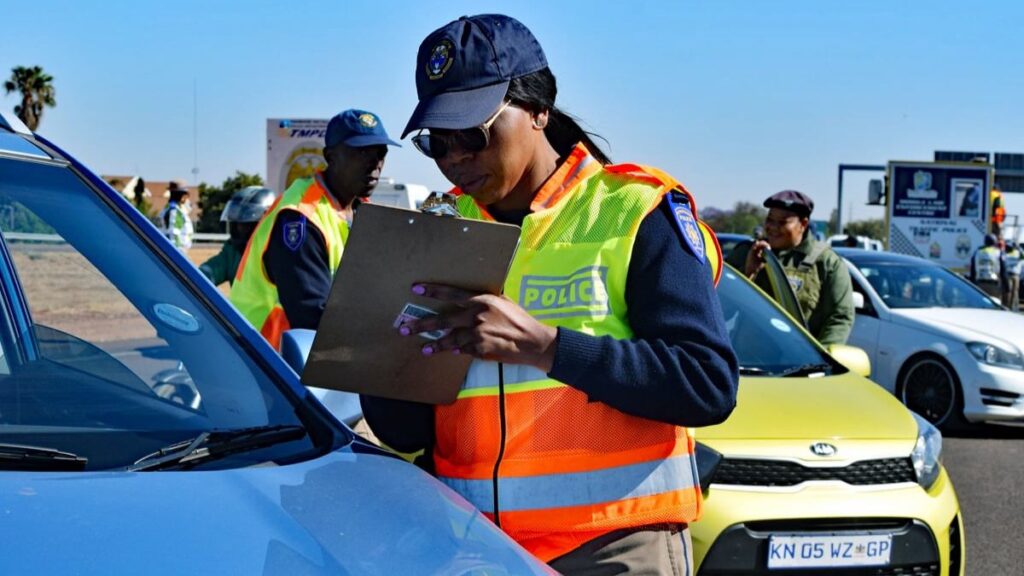
The Department of Transport has confirmed it will roll out the new Administrative Adjudication of Road Traffic Offences (AARTO) system to 62 municipalities from 1 July 2026.
It confirmed the reduced number to BusinessTech, noting that the seven or so municipalities excluded from this phase of the AARTO launch will be included in the next one.
This means that phase 2 of the rollout will commence from 1 July 2026, targeting 62 municipalities (down from 69 previously).
Phase 3 is expected to commence in the third quarter of the year (circa October 2026), targeting 151 municipalities (up from 144 previously).
The AARTO system has been operating on a pilot basis in Johannesburg and Tshwane for years, and was intended to become the national traffic offences system in 2021/22.
However, court challenges, systems integration issues, and the COVID-19 pandemic caused significant delays.
In 2023, the Constitutional Court gave the National Department of Transport and the RTIA the all-clear to implement the system, overturning lower court rulings about its constitutionality.
This led to the original plan to launch the AARTO system in 69 metros and municipalities on 1 December 2025, followed by commencement in 144 other municipalities from 1 April 2026.
The full system would have been fully implemented by 1 September 2026, when the driving demerit system would be in operation nationwide.
However, the Transport Department postponed the rollout in November 2025 when a readiness assessment flagged deficiencies around municipal integration.
These deficiencies included the finalisation of the law enforcement and back office personnel, as well as the lack of harmonisation of the current law enforcement systems used by various municipalities.
At the time, the rollout was effectively delayed by six months, with the second phase pushed back to July 2026, but no specifics were outlined beyond that at the time.
In the Road Traffic Infringement Agency’s (RTIA) annual performance plan for 2026/27, motorists got their first solid update on the rollout.
The RTIA set a target to roll out AARTO nationally by the end of the third quarter of the financial year (i.e., December 2026).
The RTIA confirmed the rollout would commence in July 2026.
| Phases | Target | Date |
|---|---|---|
| Phase 1 | the establishment of AARTO infrastructure, including service outlets, and ensuring eNATIS could handle payments. | Completed |
| Phase 2 | Introduction of AARTO to 62 municipalities. | 1 July 2026 |
| Phase 3 | Introduction of AARTO to 151 municipalities. | Q3 (October-December 2026) |
| Phase 4 | Implementation of the demerit point system and rehabilitation programme. | TBA |
New driving demerit system
A key component of the AARTO system is the new driving demerit system, which does not have a specific launch date in the Annual Performance Plan.
While the driving demerit system is the biggest systemic change under the new laws, there are also a host of administrative changes taking place that will shake things up for drivers.
The most significant change is the introduction of “electronic service” and the removal of the right to be tried by a competent court, as violations move from the Criminal Procedure Act to the AARTO Act.
Under the demerit system, points are allocated for traffic infringements, leading to licence suspensions or cancellations if drivers accumulate too many points.
The RTIA has a more vague rollout plan for the system, with plans to issue demerit notices over the medium term, starting in 2027/28.
This implies that the system will not be launched before April 2027.
The rollout plan is also not immune to further delays. The RTIA stressed that it is assumed that it will have the necessary capacity, capability, and resources to coordinate and facilitate the implementation of AARTO over the period.
However, the group flagged significant risks to the system, particularly on its reliance on external stakeholders, and the persistent threat to financial sustainability.
It also faces capacity issues, including staffing shortages, as well as a wider battle over what it calls a “distorted public image”, which could affect road users’ compliance with laws and systems.
However, if there are any further delays, the RTIA noted that the broader strategy has always been to roll out the system over the 2025-2030 period.
“By the end of the 2025-2030 strategic cycle, it is expected that the AARTO implementation will be in full swing,” the group said.


















 Loading ...