

June 30 warning for anyone employing a domestic worker in South Africa


Households in South Africa that employ a domestic worker have less than a week to ensure their employee is registered with the Compensation Fund and to submit an annual return of earnings (ROE).
This deadline applies to all employers under the Compensation for Occupational Injuries and Diseases Act (COIDA).
Domestic workers had previously been excluded from COIDA, but were added following a 2020 Constitutional Court ruling declaring this invalid.
Since 2021, domestic workers have been entitled to compensation under the act if they are injured or contract a disease while on duty.
This was followed by the 2023 regulations that formalised domestic workers as an employment category, making them eligible for the Unemployment Insurance Fund (UIF).
Domestic workers include cleaners, gardeners, household drivers and caretakers of children and the elderly or frail.
The changes over the past few years require that domestic worker employers register with the Compensation Fund and contribute to it.
Once domestic employers have been registered with the fund, they must then submit their ROE annually. The deadline for the 2025 period is 30 June 2026.
The ROE is based on the amount the domestic worker/employee earns per year, including overtime and bonus payments.
The Department of Employment and Labour is encouraging employers to submit the ROEs timeously by using its online portal. Failing to do so could result in penalties.
A penalty of 10% will be charged for the late submission of ROEs after the prescribed deadline, the department said.
It added that interest will be charged on accounts made more than 30 days after the invoice date and on overdue accounts.
The department added that it is an employer’s responsibility to notify the Compensation Fund of any change in particulars within seven days of such change.
This includes changes to address and other particulars, such as email addresses and contact details.
For businesses, this would also include situations where a business has ceased to exist or where the nature of the business has changed.
A different kind of warning
30 June is also a notable date for another reason.
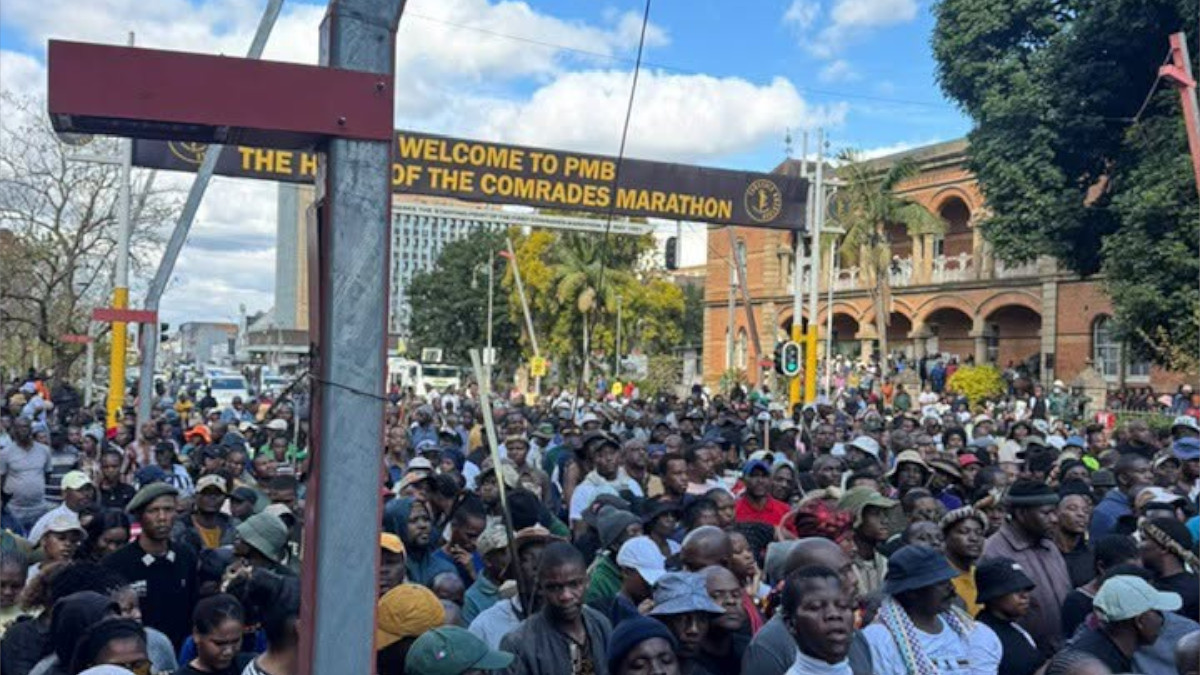
Protest groups have set this as a deadline for illegal foreign nationals to leave the country, as well as the date of mass ‘national shutdown’ protests across the country.
There has been a huge wave of anti-foreigner sentiment in the country over the past year, with a sharp escalation in the past six months.
While the national police and even the military are on high alert to ensure the protests do not escalate to riots on the day, instances of violent vigilantism have already emerged.
Domestic work is still a largely informal sector in South Africa, where many households employ foreign workers for the job, often without contracts.
According to the African Centre for Migration and Society, many foreign workers employed as domestic workers are doing so legally, with Zimbabwean and Lesotho Exemption Permits allowing them to do so.
However, many other foreign workers take up informal entry-level jobs—including domestic work—without permits.
This has become a focus of a national clampdown by the national government in proposed new laws.
These laws, as part of the Employment Services Amendment Bill, were gazetted in May 2026, with the state threatening to impose a R100,000 fine on first-time offenders hiring illegal foreign workers.
This includes households that employ domestic workers.
Notably, the penalty can escalate to up to R1 million or even jail time if employers continue to disregard the country’s employment laws.
The wider bill is aimed at tightening enforcement against the employment of undocumented foreign nationals and forms part of the government’s broader response to illegal immigration.
The DEL has warned that its enforcement teams are actively conducting operations and could show up anywhere at any time.
It urged employers to comply with the laws.


















 Loading ...