

Ramaphosa coming after these municipalities in South Africa


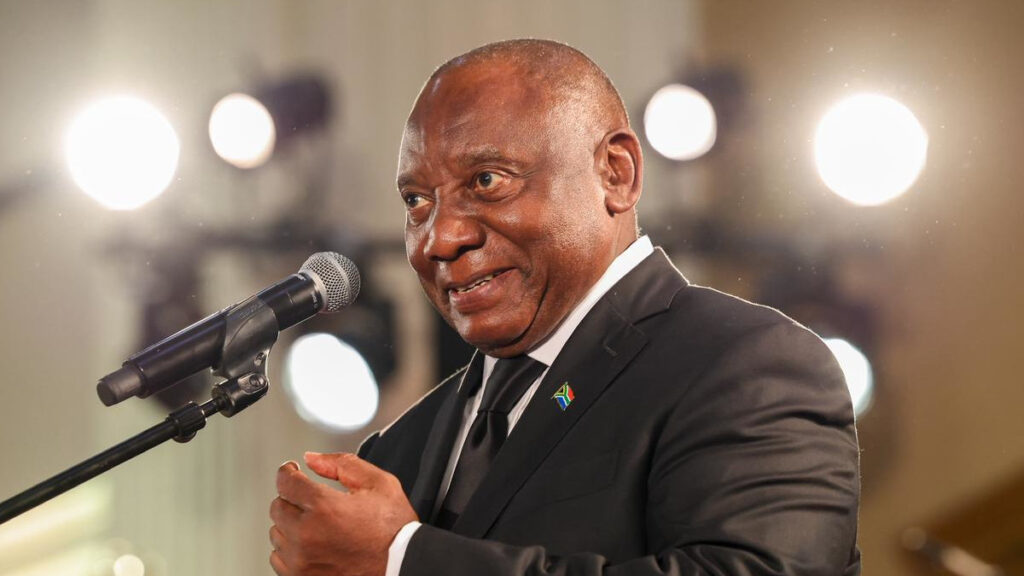
President Cyril Ramaphosa says legal action is being taken against municipalities that have violated the National Water Act, while threatening that the national government will step in against those that continue to fail residents by not providing water.
In his weekly letter to the nation, Ramaphosa said that the government is moving on its priority of resolving the water crisis in South Africa.
A big step toward accomplishing this took place last week, when the National Water Action Plan was published.
The plan sets out the government’s goals to ensure that every community in the country has access to a reliable supply of high-quality drinking water, no matter where they live.
However, a big part of this plan is intervention, particularly for the worst-performing municipalities in the country, where corruption and mafias have become entrenched.
He said that too many municipalities have been redirecting revenue collected from the sale of water to fund other municipal functions.
“This leaves too little money to repair pipes, replace pumps or employ qualified engineers and technicians,” he said.
“As a result, on average across the country, close to half of all the water pumped never reaches paying customers.”
Ramaphosa said that water leaks out of broken pipes, is stolen or is simply never billed for. This water has been treated at great cost and then lost, along with the revenue that should have paid for maintenance.
“We cannot build our way out of the crisis if we do not properly maintain and manage the infrastructure we already have,” he said.
As part of the national water plan, the president said that grant money has been redirected to the worst-performing municipalities.
But this is not without consequence, with Ramaphosa noting that legal action has been taken against dozens of municipalities that have violated the National Water Act.
He added that “where a municipality is failing, unwilling or unable to provide an acceptable service, government will intervene in accordance with the Constitution and the law.”
This will be to provide the required services to residents, and, where necessary, another water utility will be appointed to run the service in the municipality’s place.
Changing the way water services are financed
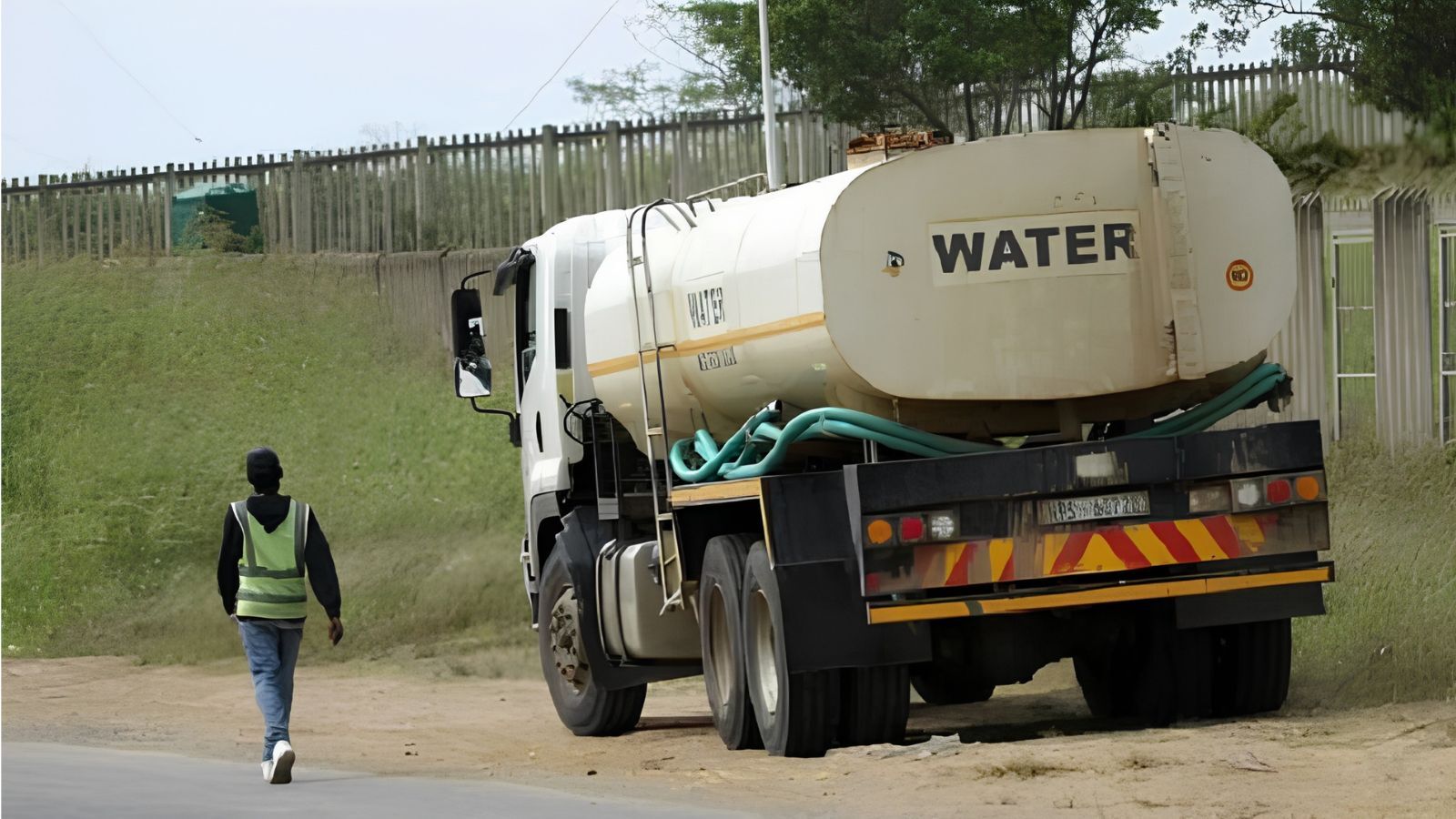
Ramaphosa said that the plan will also change the way municipal water services will be financed, particularly across the eight major metropolitan areas.
Here, these metros are being incentivised to ring-fence their revenue from water and sanitation and keep it within their water utilities to re-invest into infrastructure, maintenance and improved operations.
The Water Services Amendment Bill currently before Parliament will establish a clearer separation between the municipality’s role as the authority responsible for water and the role of the operator that actually delivers it, so that both can be held to account, he said.
He added that there’s also a push to get the private sector involved with financing—although he said this “does not mean surrendering public responsibility for water”.
Contractors will be paid according to the results delivered.
“Water will remain a public good, and the state will continue to protect public ownership, affordability and universal access,” he said.
“The purpose of these partnerships is to bring additional resources and expertise into a sector where the investment need is far greater than government grants alone can meet.”
Ramaphosa said that a core focus remains on dealing with criminal elements that have captured municipal water services.
This includes corruption and criminal networks that are benefiting from irregular water contracts and damage to infrastructure, he said.














 Loading ...