

Concerns about ‘the floodgates opening’ to South Africa


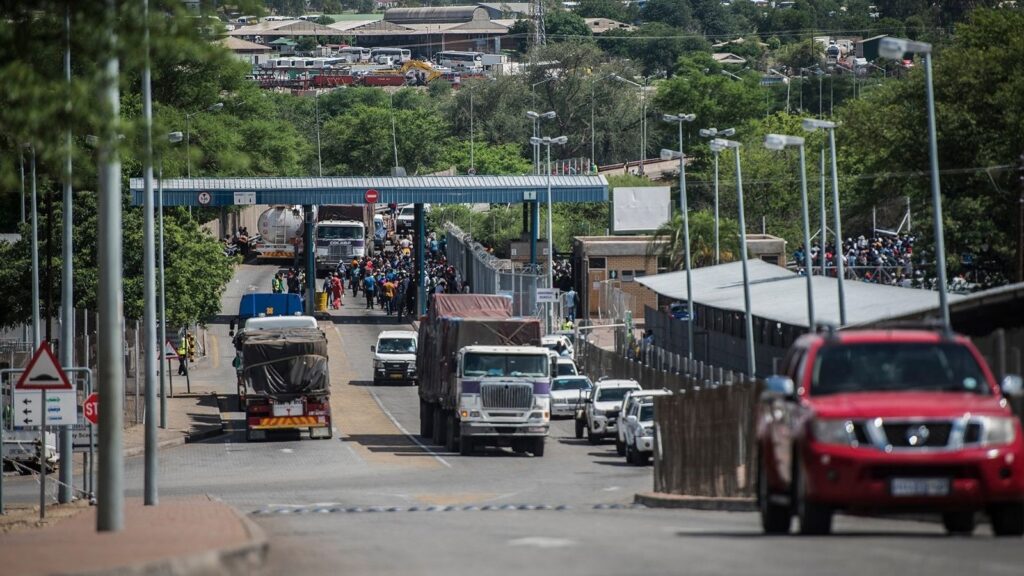
South Africa’s decision to reopen its asylum system to new applicants has raised concerns about whether the move could place additional pressure on already stretched state resources.
This is despite immigration experts saying that the Constitutional Court ruling does not mean anyone applying for asylum will automatically be allowed to stay permanently.
Nicholas Avramis, a migration expert at Beaver Recruitment SA, said the Constitutional Court’s ruling was legally correct because it reaffirmed rights contained in the Refugees Act.
“From a purely legalistic jurisprudence perspective, I would say it was the right ruling,” Avramis said in an interview with SABC News.
He said the court had effectively told the Department of Home Affairs that it could not bypass Section 22 of the Refugees Act, which provides asylum seekers with procedural protections while their applications are considered.
“People have the right to procedural fairness, especially when it comes to asylum claims,” he said.
Avramis stressed that the ruling should not be interpreted to mean that asylum seekers would automatically receive legal status, permanent residence, or citizenship in South Africa.
He explained that the ruling means that people arriving in South Africa through a port of entry have the right to seek asylum and have their claims considered through the prescribed process.
“It doesn’t guarantee them refugee status. It doesn’t guarantee them asylum status. It just means they have that right,” Avramis said.
He said South Africa was also bound by international refugee conventions, making the ruling consistent with the country’s broader legal obligations.
Avramis also pointed to the principle of non-refoulement, which prevents people seeking international protection from simply being removed without their claims being properly considered.
He said the courts did not want the Home Affairs system to result in people being “randomly scooped up and flown out of the country without going through this process”, or prevented from lodging claims at a border or port of entry.
Asylum seekers will disappear into the communities due to administrative backlogs
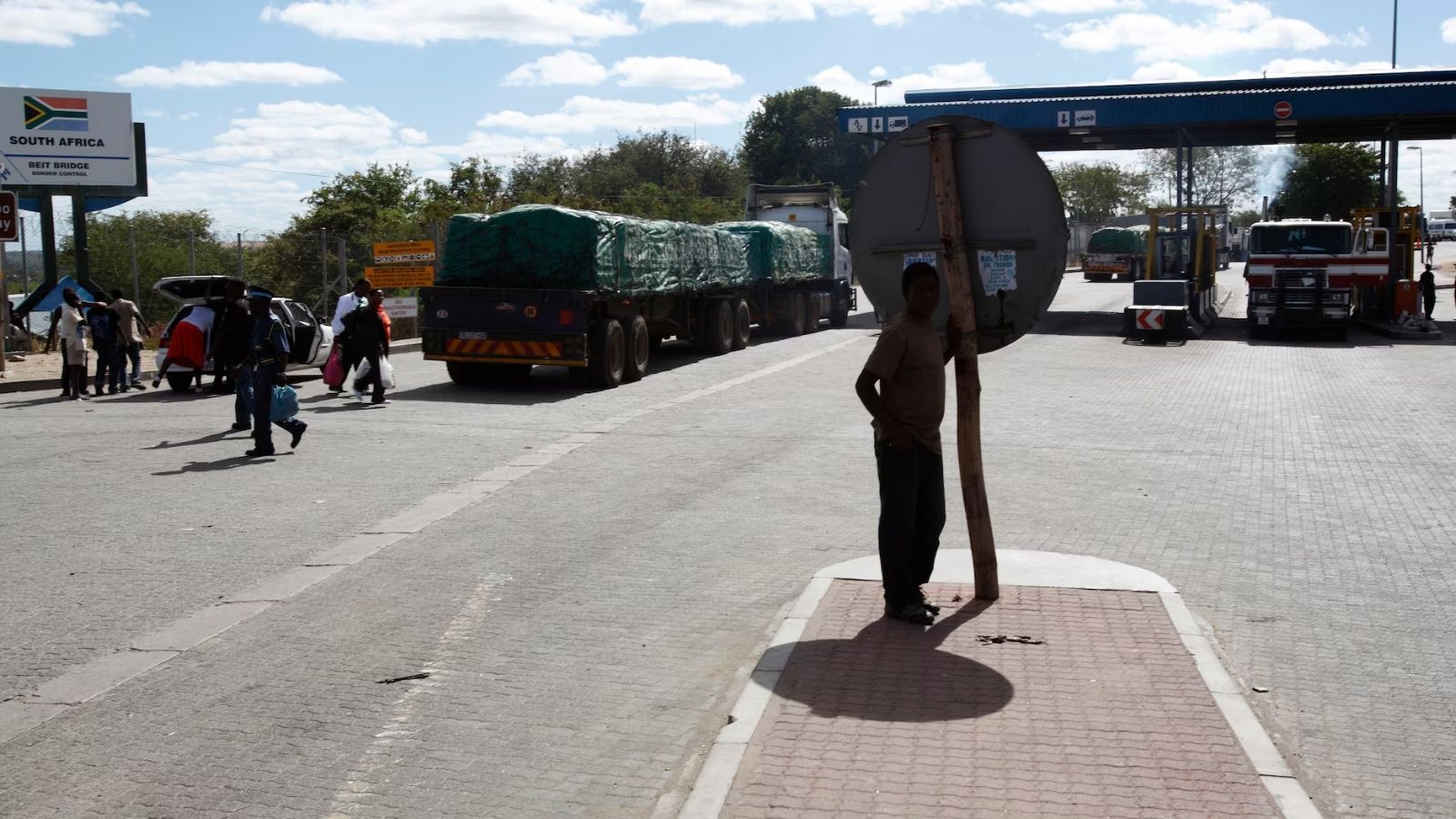
However, political party ActionSA has raised concerns about the practical consequences of the directive issued by Home Affairs following the Constitutional Court’s July 2026 Scalabrini judgment.
ActionSA said it was concerned about instructions requiring Refugee Reception Offices to accept asylum applications from undocumented people.
This includes those who entered illegally, crossed outside designated ports of entry, had no visa or failed to declare their intention to seek asylum when entering the country.
The party said the distinction between access to the asylum process and being granted refugee status was critical. “Access to an asylum process is not the same as refugee status,” ActionSA said.
It warned that applicants could obtain temporary legal status and disperse into communities while the state takes years to determine whether they qualify for protection.
ActionSA proposed Integration and Repatriation Centres near borders and strategic inland locations, where asylum seekers could remain while their identities and claims were assessed.
It also called for biometric registration, stricter processing timelines, and a system to distinguish genuine refugees from economic migrants.
Avramis agreed that broader reform was needed, and said that South Africa needed “comprehensive immigration reform” from the government through to Home Affairs and related agencies.
He said the system should distinguish between people entering the country legitimately and those entering unlawfully, while allowing those who intend to contribute to South Africa to do so.
“South Africa needs to communicate to potential asylum seekers that you will have to go through a legalised process. You’re just not going to land here and enter illegally,” he said.
Avramis also supported greater digitisation of Home Affairs. He noted that technology could help identify people entering the country legitimately and distinguish them from those who were not.
“When somebody lands at the port of entry, they’re entitled to Section 22 status that allows a review of their case, and a decision has to be made. They cannot just be thrown out of the country,” he said.
















 Loading ...