

Cape Town introduces water rationing: here’s what you need to know


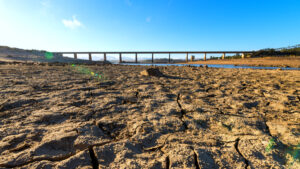
The City of Cape Town on Tuesday activated water rationing as part of its Critical Water Shortages Management Disaster Plan, with dam storage levels at 38.5%, and useable water at 28.5% in the Western Cape.
The City said that water rationing is likely to result in water supply being disrupted during peak water usage times in the mornings (between 05:00 and 09:00) and in the evenings (between 17:00 and 21:00) if usage is above the required levels.
“Due to the critical nature of available water supply, all water users across the metro must expect water rationing which could lead to water supply disruptions,” it said.
“It must be noted that theoretically everyone should have water but that the duration of the outages would depend on the water usage for the area and whether it is within the water restriction levels.”
“The City supplies sufficient water to an area, but if the demand is too high then those in high-lying areas or high-lying properties will experience some outages. The City therefore appeals to those in lower-lying areas to reduce usage to assist in terms of outages in the higher-lying areas.”
The City said that service will be restored as soon as demand decreases to within the limitations of Level 5 water restrictions.
If an area is using above the daily water limit, rationing through advance pressure management will continue until the limit is reached. “It must be noted that reducing consumption is non-negotiable, irrespective of augmentation projects coming online,” the City said.
Less water than previously thought
The new restrictions follows news that the City will only be able to augment water supply by about half of the amount it had previously promised.
According to a News24 report, Cape Town Mayor Patricia de Lille had previously indicated that the City aimed to increase current water supply by 500 million litres per day through groundwater, desalination and water reuse to avoid “day zero” in March 2018.
On Monday, however, the figure was drastically reduced in a statement by mayoral committee member, Xanthea Limberg, who said the City would only be able to increase water supply by “between 130 to 240 million litres per day”.
“It is foreseen that between 130 and 240 million litres per day will be at some stage of production between December 2017 and May 2018,” the statement said.
Read: Fuel levy and lights and water increases could cover R25 billion-plus tax shortfall












 Loading ...