

French towns where South Africans are buying castles, houses, and running successful businesses


In France’s Nouvelle-Aquitaine region, South Africans are emerging in historic towns like Tardes, Aubusson, and Boussac.
They are buying up old homes and châteaux and running successful businesses that bring an African touch to rural France.
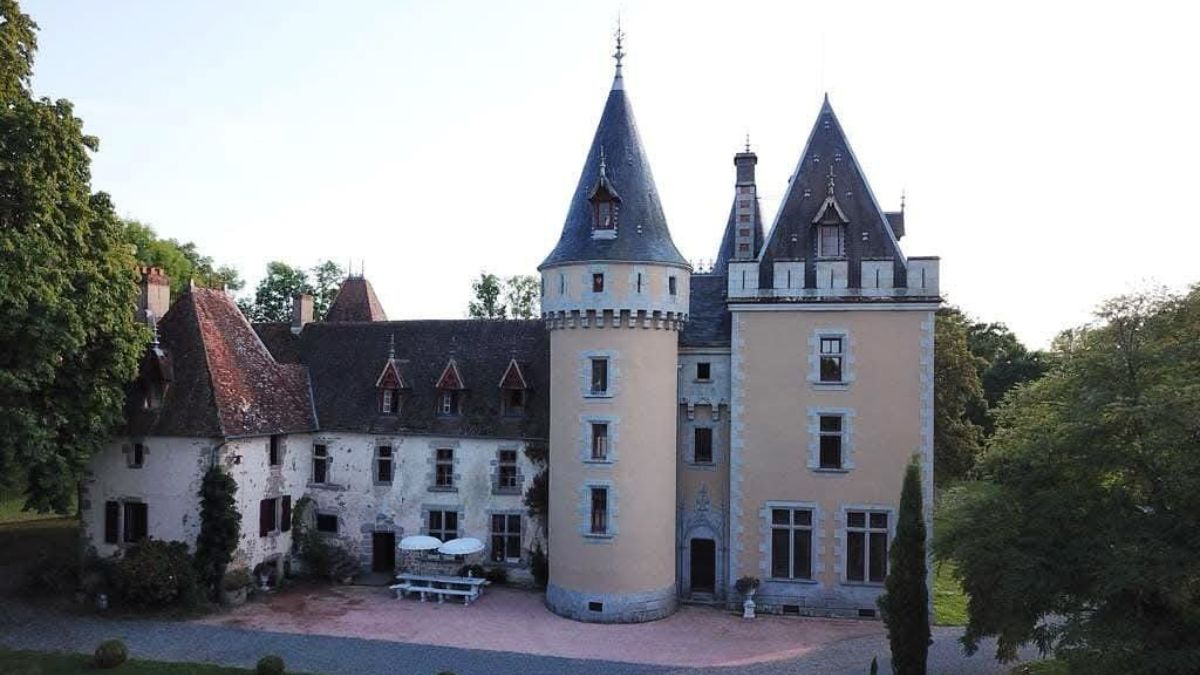
One notable example is Château de Montflour, a restored 15th-century castle in the commune of Tardes, in the Creuse department of the Nouvelle-Aquitaine region of France, now managed by Carel Nolte.
Château de Montflour was restored by South Africans Christo and the late Elby Lindeque. Nolte explained that Christo, who built a successful motor industry business in South Africa, wasn’t looking to retire but rather to live differently.
When they bought the château, it had been uninhabited for nearly 80 years. “There was very little inside,” Nolte said.
“Part of the building is listed, so permissions were needed. French bureaucracy is tough, but it’s also rooted in their passion for protecting heritage.”
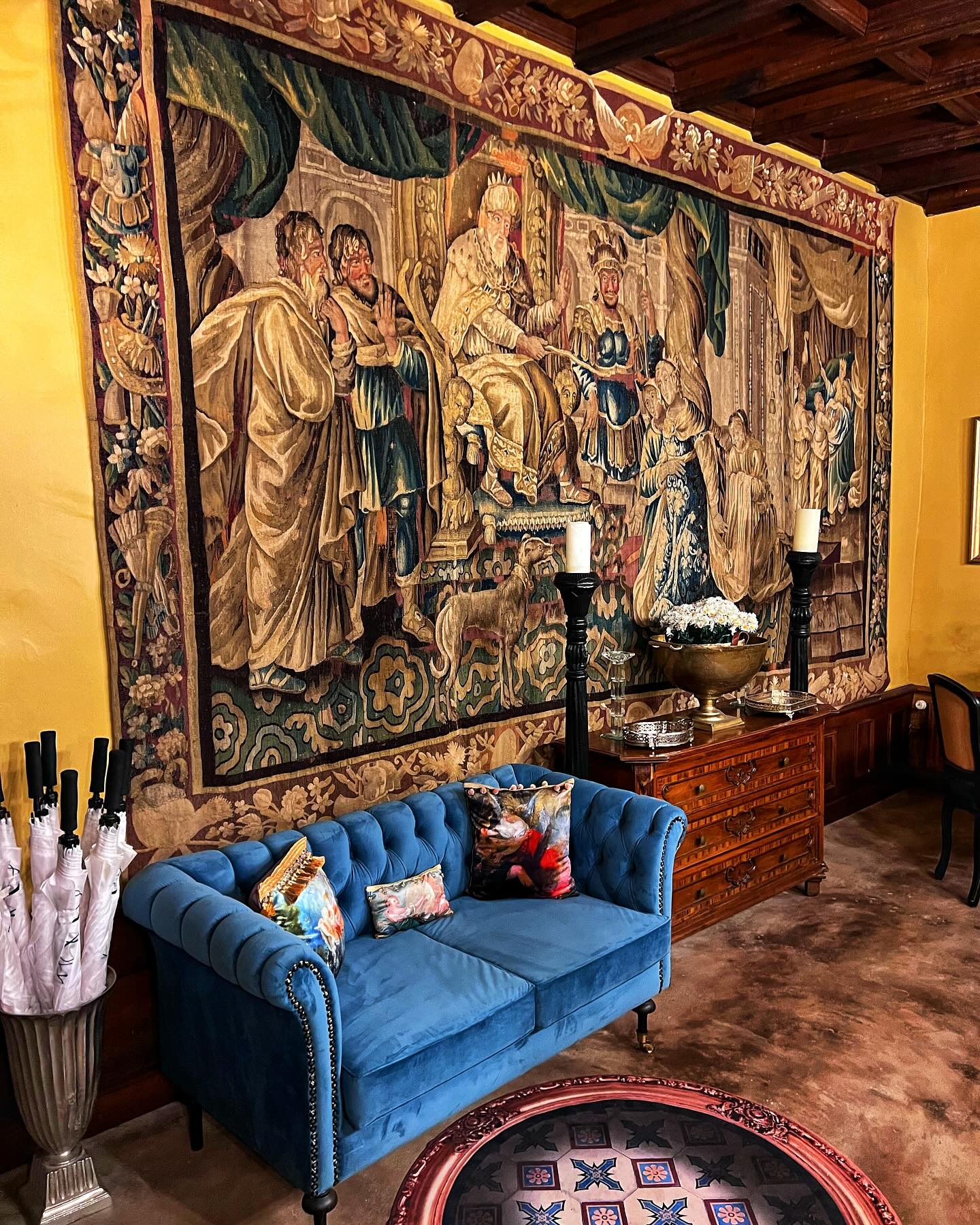
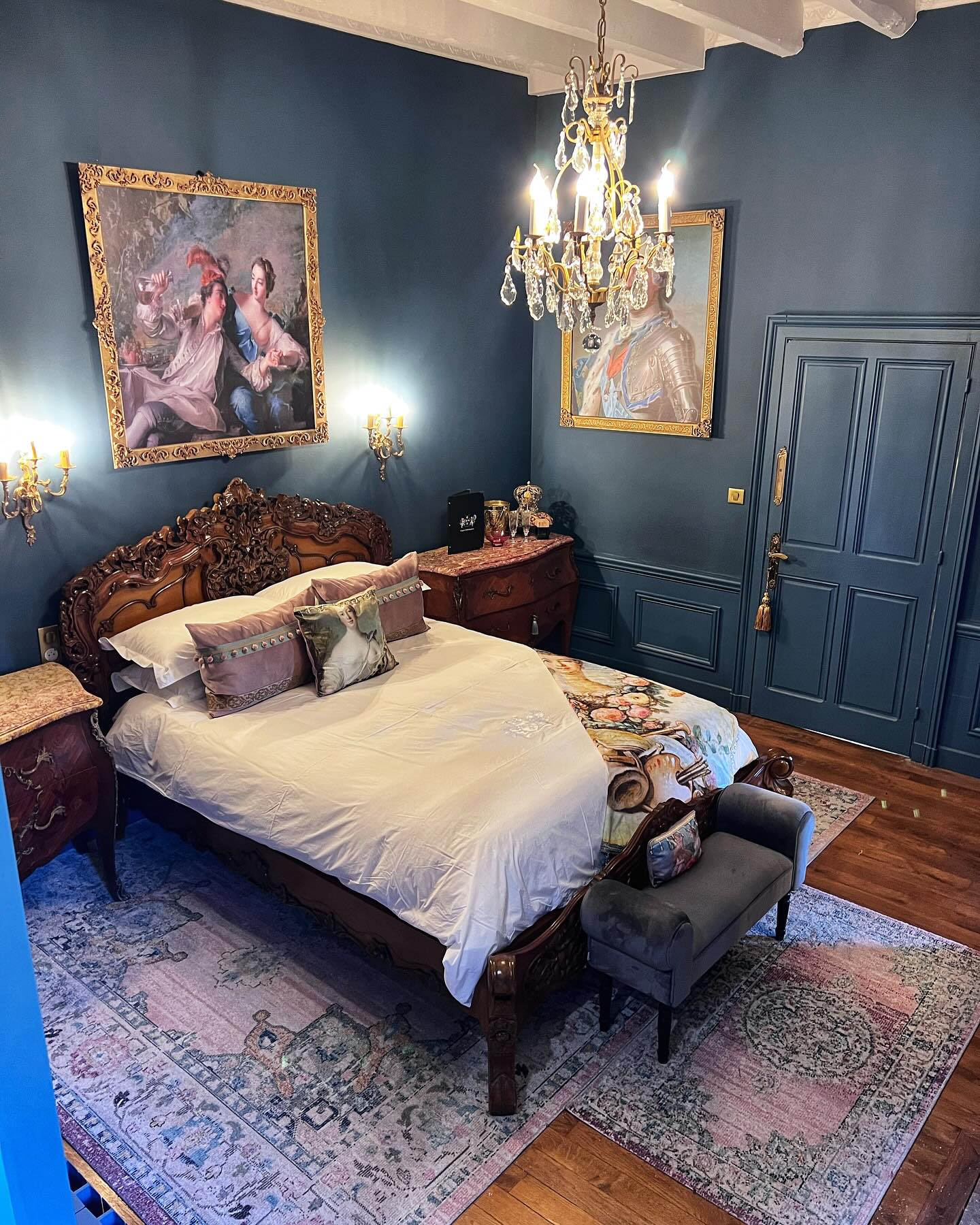
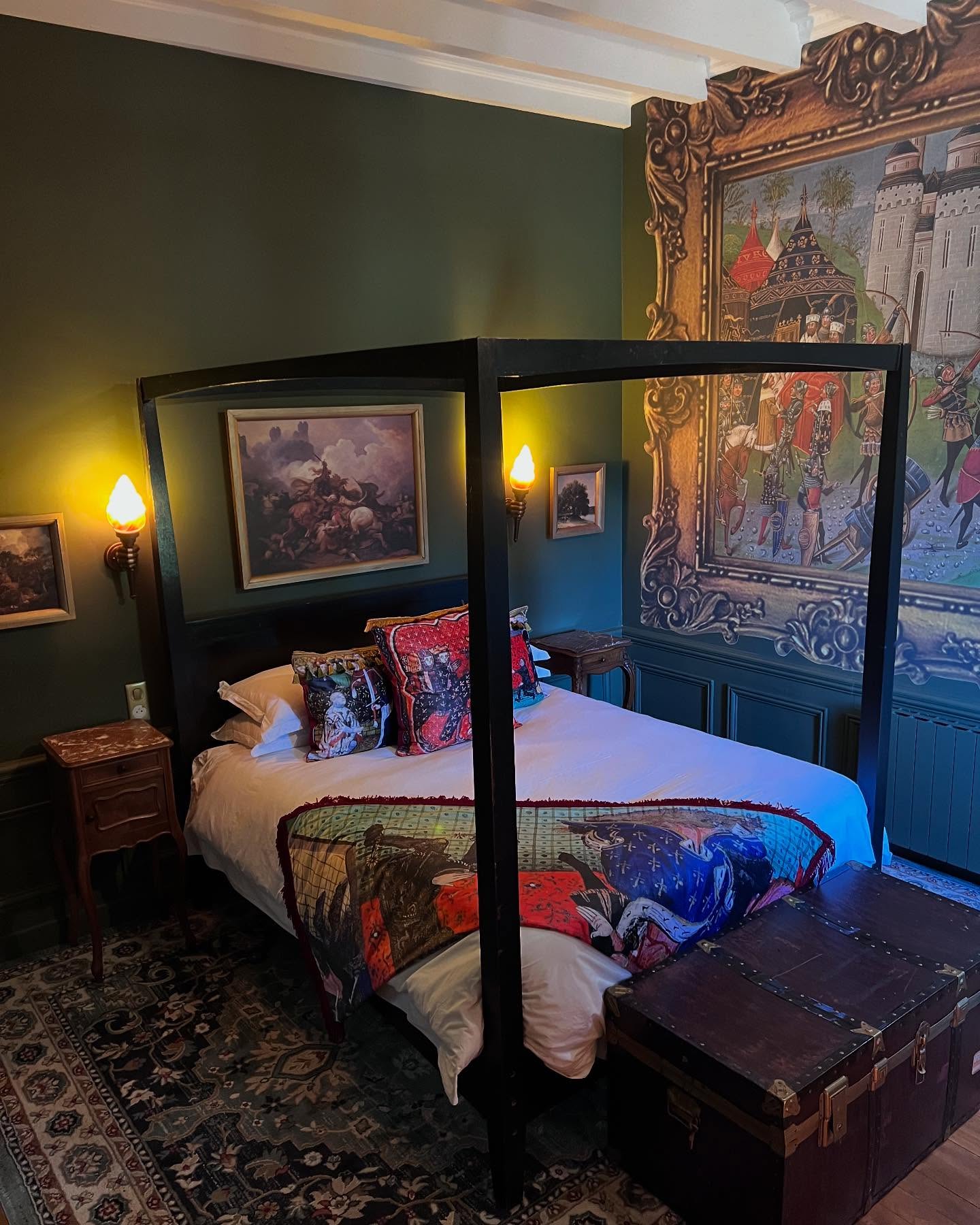
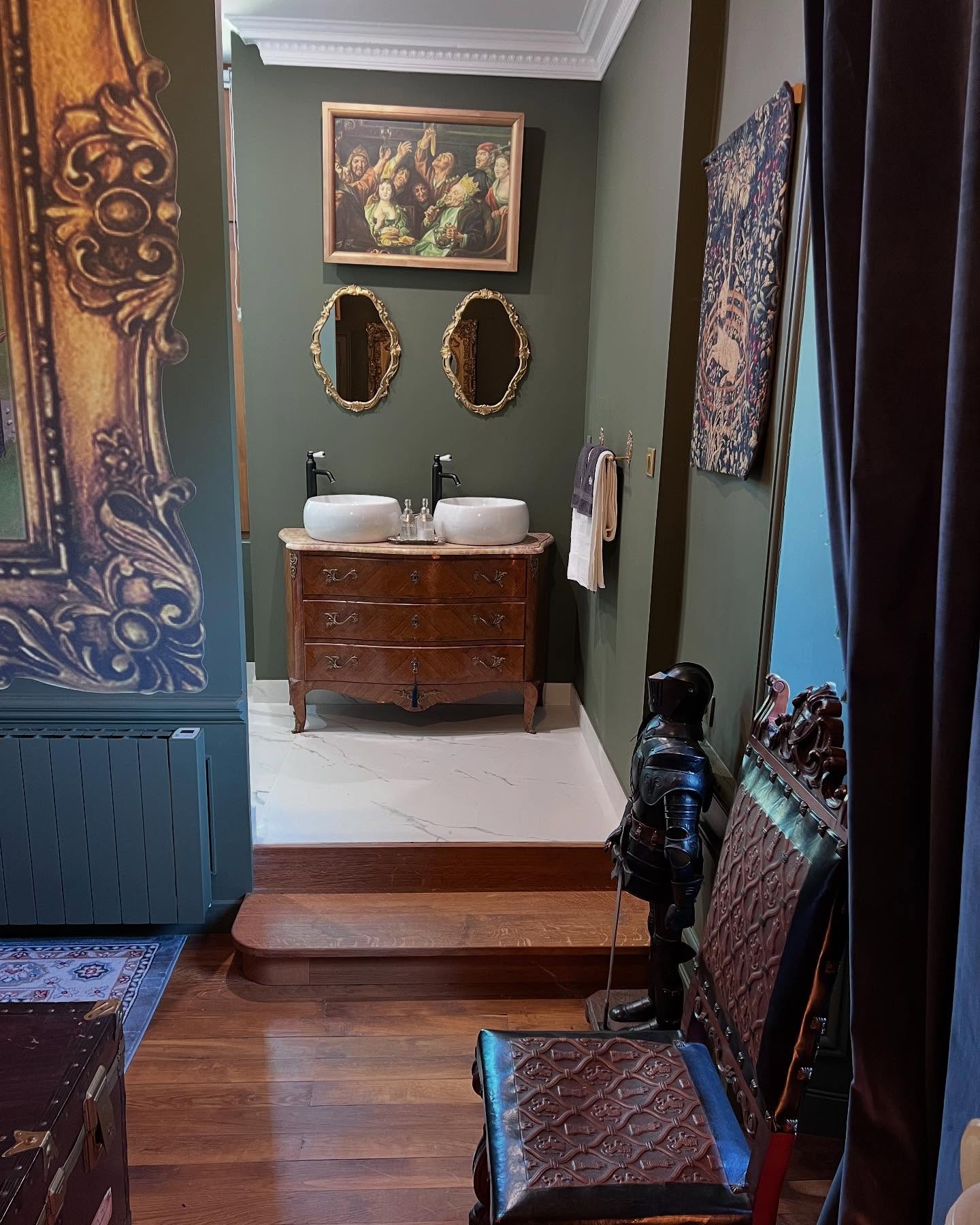
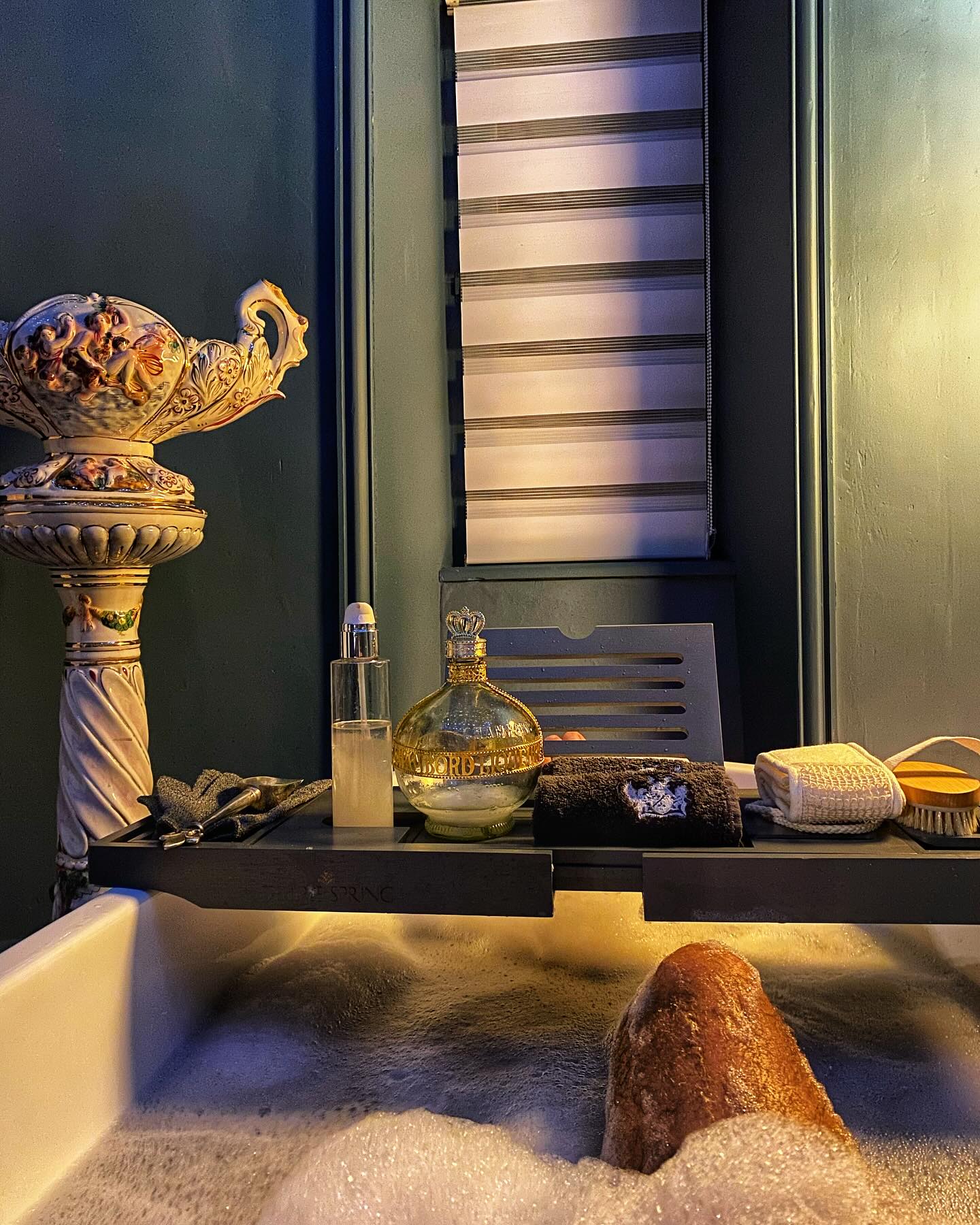
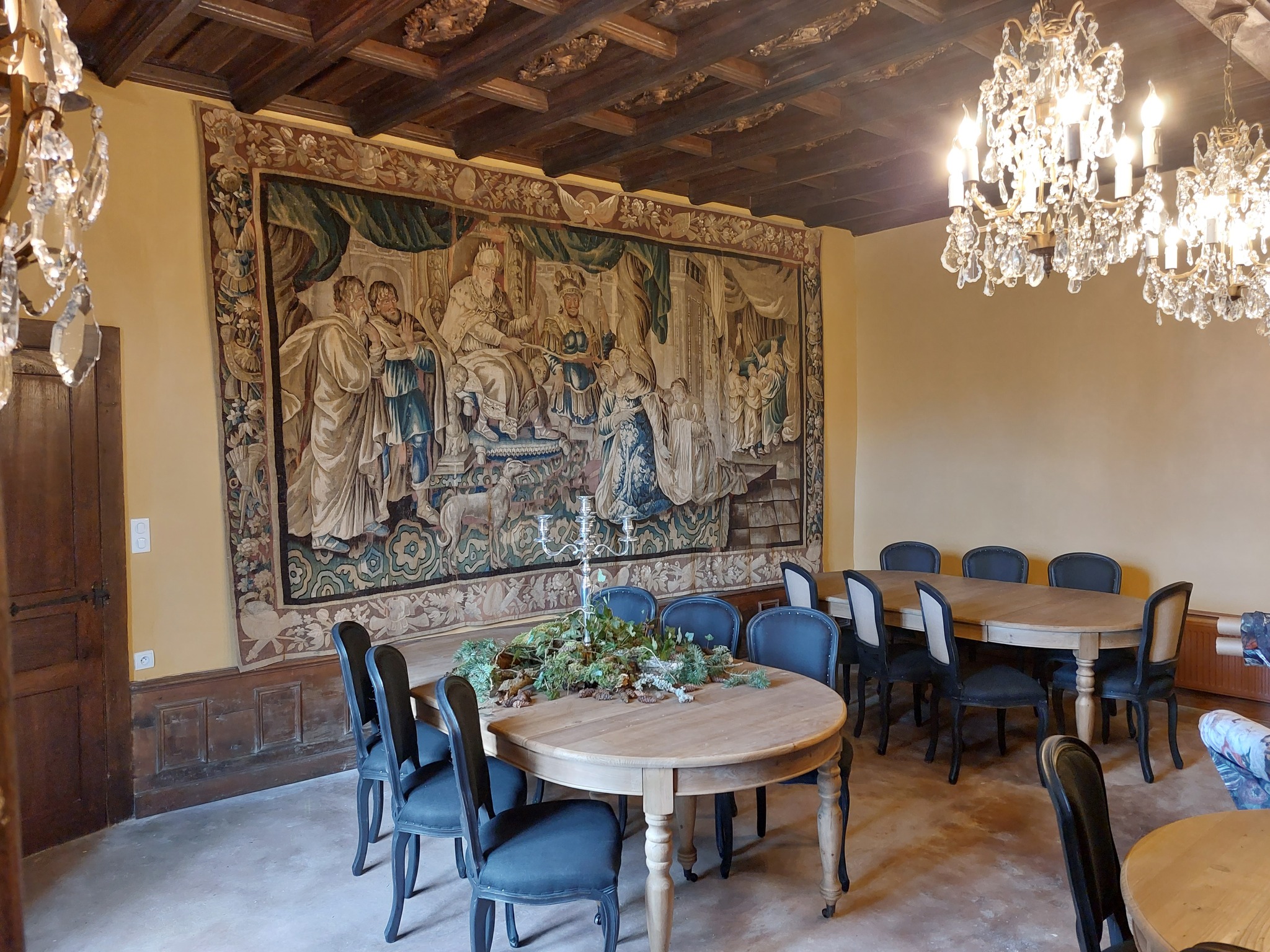
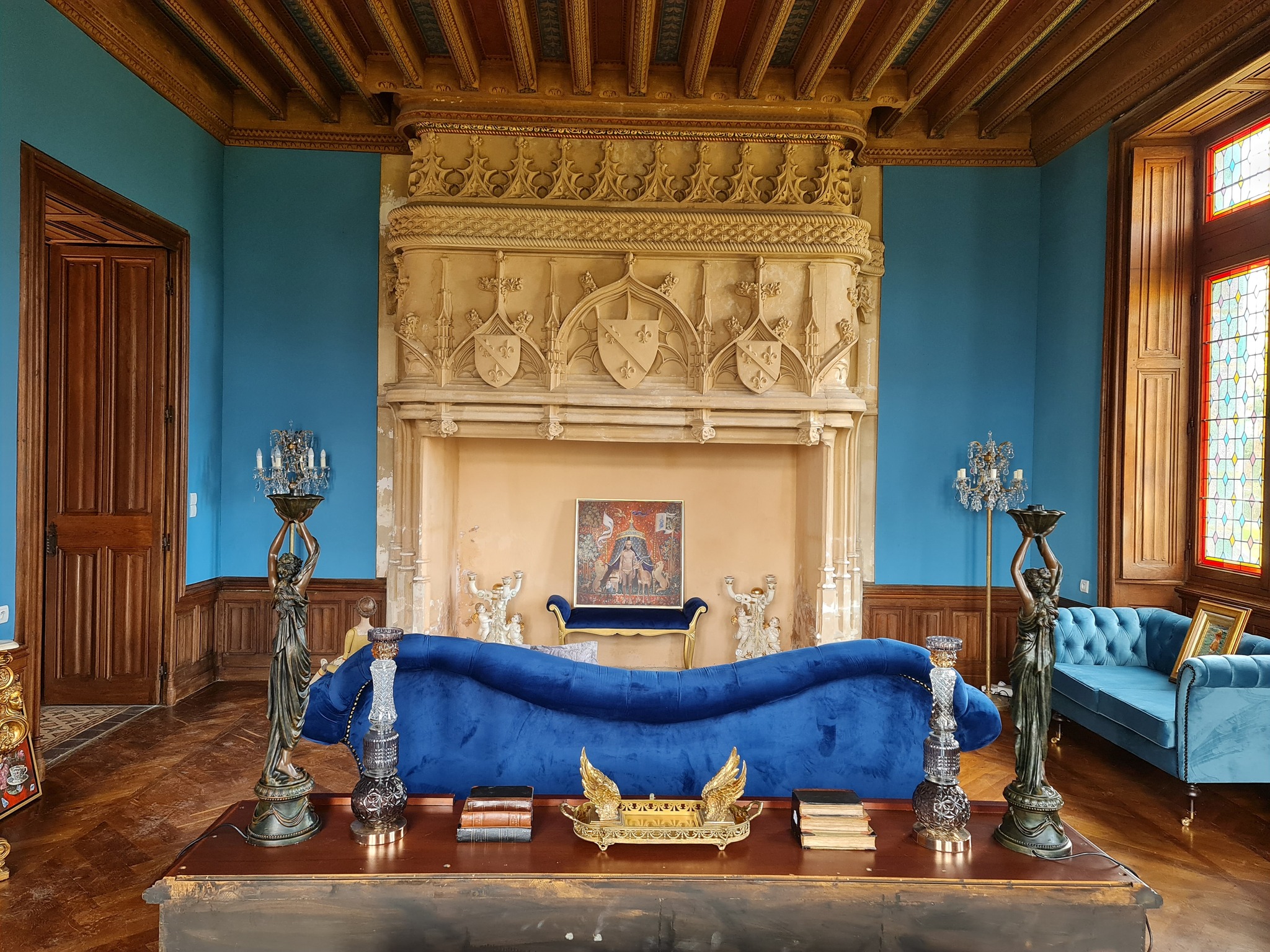
Today, the château has five guest suites, hosts bridge tournaments and media influencers, and provides a calm retreat in the countryside.
However, the Lindeques are far from the only ones in the area. South Africans have been steadily moving into the area, particularly in nearby Boussac and Aubusson, where Nolte estimates around 30 South African families now own homes.
Boussac is a small light industrial town situated by the banks of the Petite Creuse river, some 40km northeast of Guére. Its population is around 1,263.
Aubusson is situated in the southern part of the département, at the confluence of the rivers Creuse and Beauze, and has a population of 3,036.
Aubusson is well known for its tapestries and carpets, which have been famous worldwide since the 14th century.
South Africans in these towns either renovate properties to resell or live in them during the European summer. Others have restored properties that they now run as boutique hotels and guesthouses.
The French are becoming more supportive
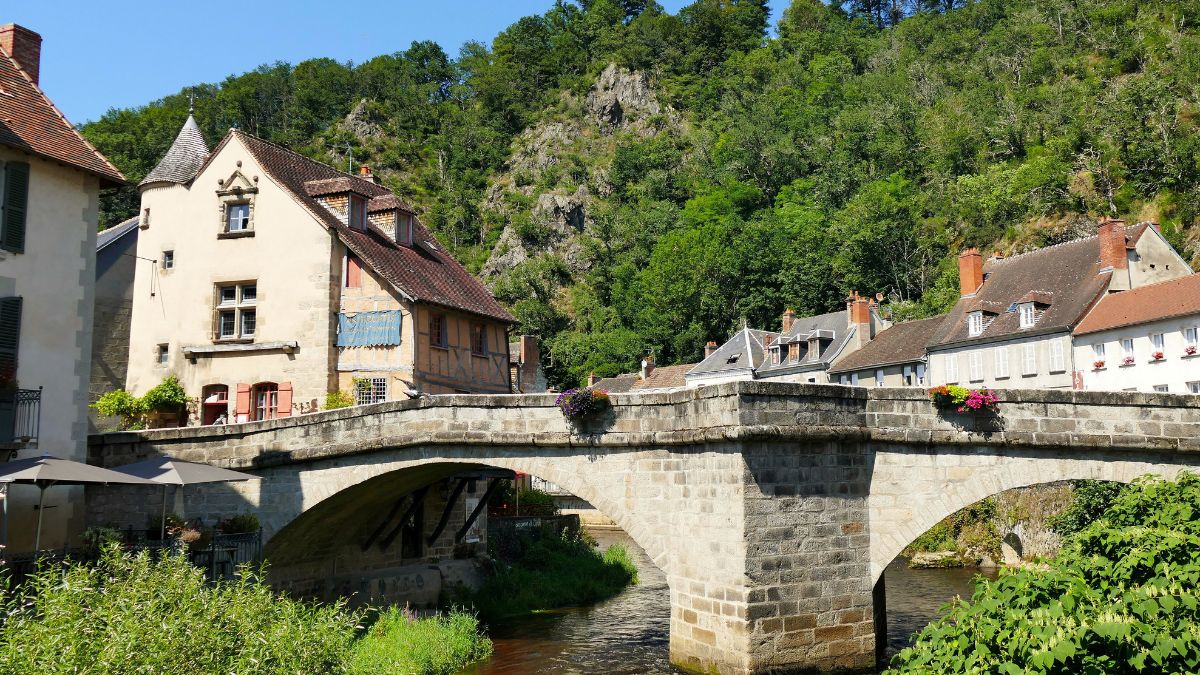
“Some have bought and renovated small one-bedroom places, others have acquired larger estates. Most don’t live here permanently, some stay for summer, but they’ve added a great deal to the region,” Nolte said.
He explained that South African entrepreneurs have opened stores and studios in the towns.
“There’s a remarkable artist, Ardren Diederik, who works in bronze and has a foundry here. He ships his work across Europe and back to South Africa.”
Louis Jansen van Vuuren is another South African author and artist living in the region. “Then there’s Sunel Kotze, who used to run a business in Stellenbosch and now runs a successful venture here too,” said Nolte.
The Château de Montflour actively promotes these small businesses by sending guests to visit their studios and shops.
“We hosted a bridge group that went to Ardren’s studio. Guests don’t just come here to sleep and eat, they engage with the community.”
Nolte added that the French love the South African touch. The décor is a mix of quirky South African pieces and French heritage.
“There’s a shared history, and Christo’s surname helps open doors. The locals are very accepting, especially when you make an effort to speak French.”
However, there are some challenges. Nolte said that labour is expensive in France, which is why Christo ended up doing so much of the work of the château himself.
“But the French government is becoming more supportive, helping South Africans navigate visas and business red tape. There’s even a French-South African business chamber helping foster ties.”
The château is now expanding into weddings and small events. “It’s probably cheaper to have a wedding here than on a wine farm in Stellenbosch,” Nolte said.
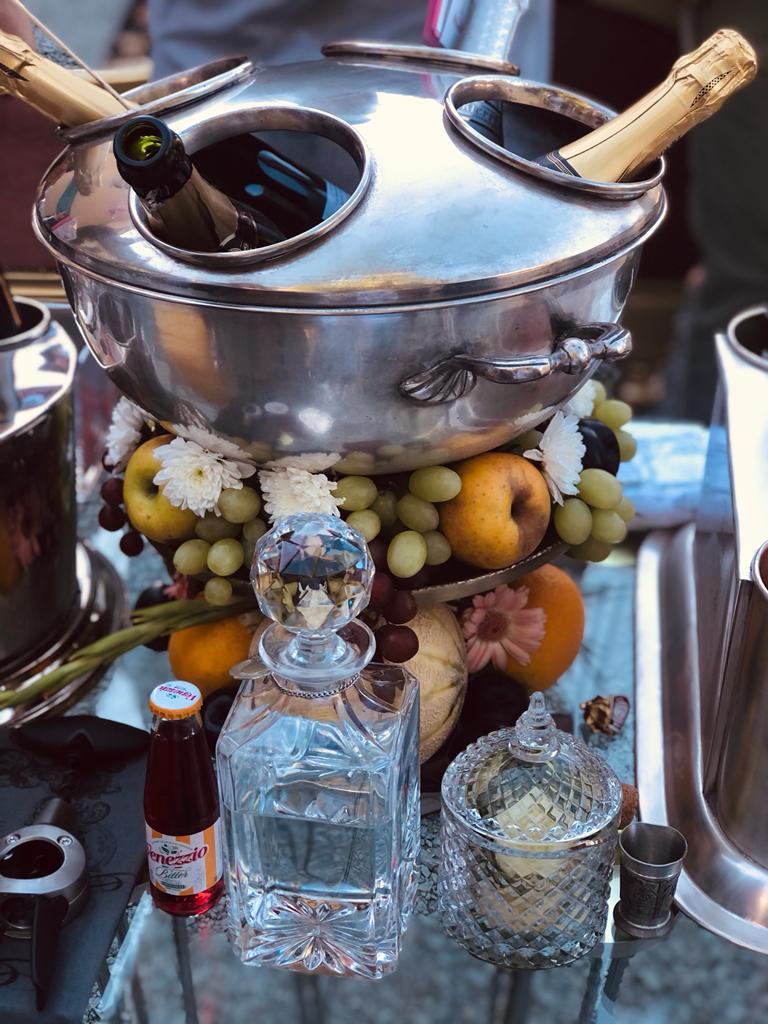
Château de Montflour also embraces food culture. Guests are welcomed with a South African-style braai mixed with French cuisine from local markets.
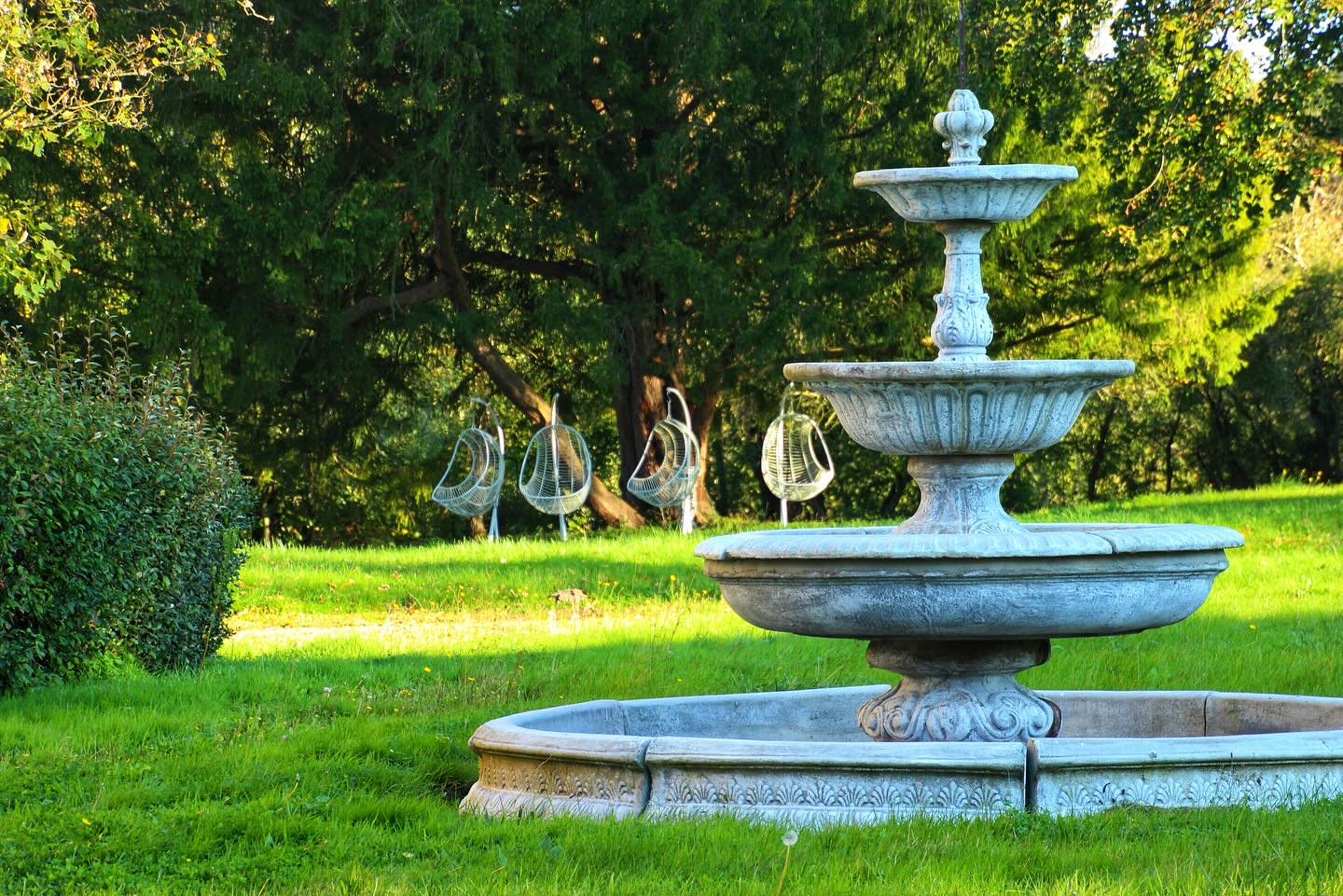
“Whether it’s walking through the gardens, exploring historic towns, or just relaxing, the place is magical,” Nolte added. As for the language barrier, Nolte highlighted that it’s not a dealbreaker.
“Technology helps a lot. Locals appreciate the effort, even when your French isn’t great. It’s about attitude. If you’ve got South African grit and humour, you’ll be fine.”
Nolte added that the South Africans in Nouvelle-Aquitaine aren’t running away from home; they simply share their talents in a new setting.
“They’re passionate about South Africa and still involved back home. But here, they’re showing the French what’s possible, and that is how South Africans thrive wherever they go.”
Château de Montflour


















 Loading ...