

South Africa’s top-performing private school with 4.3 distinctions per matriculant


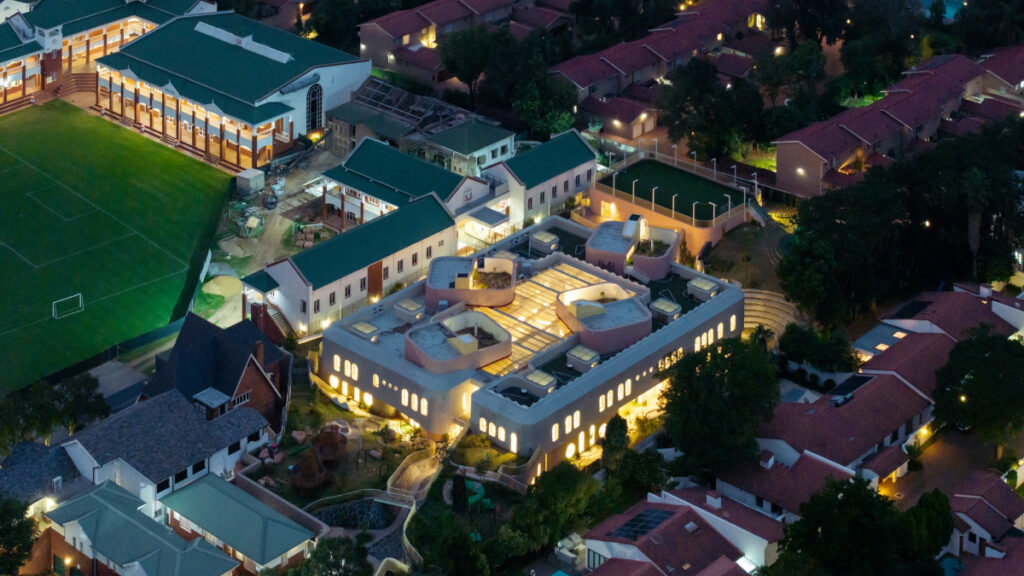
Redhill was South Africa’s best-performing private school, with 4.30 distinctions per candidate.
Redhill is the only school in South Africa that offers students the choice of graduating with either an IEB or an IB qualification.
Despite offering two possible paths, the school topped the IEB’s list in terms of distinctions per student, marking the highest number in the school’s history.
An analysis from BusinessTech showed that the school was the best-performing private school in the country in 2025 when considering some of the country’s most prominent schools with over 50 matrics.
The school said that the average reflects the academic strength of the 2025 cohort. Highlights from the IEB include:
- 98% of students achieving at least one A
- 17% achieved a *90%+ average*
- 55% achieved an A average
- 93% achieved a B average or higher
- 22% achieved a full house (seven or more distinctions)
- 43% of all distinctions were awarded at *90% or above*
Many of Redhill’s top academic students are also following the IB pathway and are therefore not included in the IEB distinction tally.
“This means these results represent only part of the academic strength of this cohort. That makes the achievement all the more impressive,” said Executive Head Joseph Gerassi.
The school’s average IB score was 33.31 out of 45, which stands at 4.01 points above the world average.
“Our focus is on developing confident, resilient young people who are engaged in school life, supported by their community and equipped to manage challenge – not simply to perform under pressure,” added Gerassi.
A school formed 120 years ago
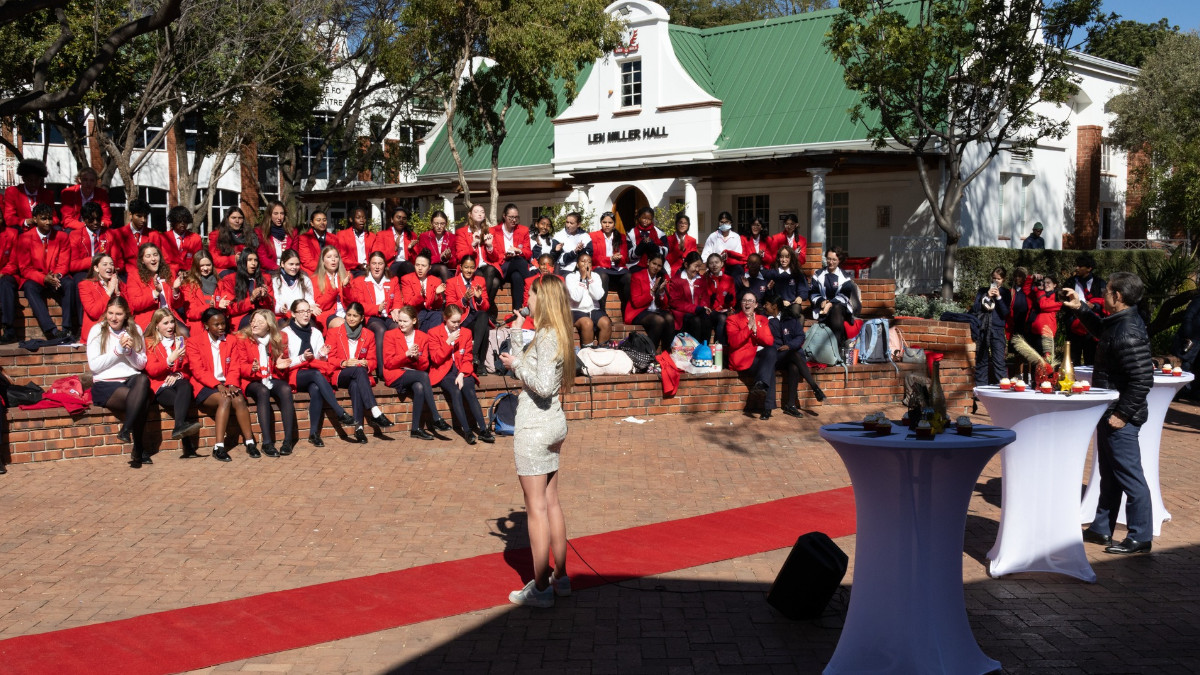
The school’s roots date back to 1907, when St Winifred’s School for Girls, which occupied a small double-storey building in Yeoville, Johannesburg.
The school was relocated to Parkview in 1924, where a new modern building was erected, which quickly transformed the school into a highly regarded educational establishment for girls.
The school underwent a massive transformation when Catherine Hill became the Headmistress, with a bold vision to completely transform and revitalise the school’s image, both physically and in its name.
It was renamed “Redhill School”, named for the Headmistress and the vibrant colour of the new uniforms.
Amid financial struggles, the school sought more affordable premises and ultimately settled in the rondavels in Morningside.
In an effort to raise funds, the school was registered as a company on 6 April 1946. At the time, many parents agreed to serve on the Board of Directors.
Amid further financial challenges, the school’s governing body approached Dr Isaac Kriel, the majority shareholder of the Damelin Group, to acquire the school.
Redhill School officially came under the guidance of the Damelin Group in 1968, in a deal valued at R300,000 (approximately R31 million today).
Redhill then underwent significant changes, growing from a girls’ school of 150 pupils to 630 pupils, including boys, within 10 years.
After Kriel left the school, the school came under the care of a trust, which was registered in July 1979, and a Board of Trustees.
Throughout the 1980s, the number of black students admitted to Redhill increased, and a scholarship scheme was established to provide scholarships for them.
This was despite laws restricting black children from attending what the government saw as a ‘whites only’ school.
“After a challenging century, Redhill has weathered many storms and grown to become one of the leading educational institutions in South Africa,” the school said on its website.
“It has overcome times of economic and financial hardship to grow from modest beginnings to a financially stable, innovative and progressive school.”
Redhill School
















 Loading ...