

Big shift happening in South Africa


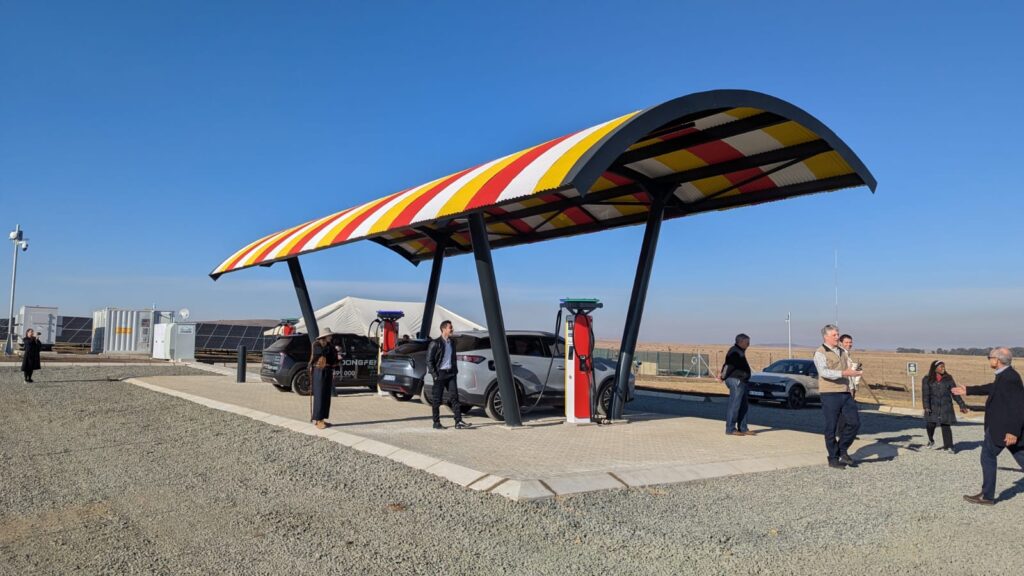
In July 2026, over 3,000 New Electric Vehicles (NEVs) were sold in South Africa, more than doubling their sales in July 2025.
NEVs refer to any vehicle that is fully or partially powered by alternative energy, with the common examples being fully electric vehicles or hybrids.
Companies such as BYD, a Chinese NEV manufacturer, have recently taken South Africa’s vehicle industry by storm, offering affordable electric and hybrid vehicles.
These vehicles often offer buyers lower transport costs than traditional petrol or diesel cars, particularly amid current oil price volatility.
Since the start of 2026, South Africans have purchased approximately 16,200 NEVs, split between hybrids and fully electric vehicles, 88% more than in the same period in 2025.
In the year-to-date, over 8,000 hybrid electric vehicles have been sold in the country, where the vehicle features both a traditional combustion engine and battery power capabilities.
5,851 plug-in hybrid vehicles, which are similar to other hybrids but have a dedicated charging port and a larger battery, have been sold since the start of the year.
Fully electric vehicles are the smallest portion of NEVs purchased in South Africa, with 2,360 being sold this year.
The National Association of Automobile Manufacturers of South Africa (NAAMSA) said the number of NEVs sold shows growing consumer choice.
“plug-in vehicles accounted for 54,4% of NEV sales during July, overtaking traditional hybrids and signalling a deepening of South Africa’s electrification transition,” it said.
“Electrified commercial vehicles are also beginning to emerge across light, medium and extra-heavy applications, extending the transition beyond the passenger vehicle market.”
Commercial electric vehicles have been slowly adopted in South Africa, but many companies cannot switch to them due to a lack of infrastructure in the country.
Commercial vehicles, such as trucks, often have to travel long distances from urban areas where vehicle charging points are common.
Vehicle sales are going up

Total new vehicle sales in South Africa reached close to 58,000 units in August, an 11.4% year-on-year increase.
While local demand was strong, the country’s vehicle exports declined by 11.9% year-on-year in August, bringing concern for the country’s vehicle manufacturing industry.
NAAMSA said this statistic reinforces “the need to strengthen industrial competitiveness and translate improving domestic demand into local production, localisation, investment and employment.”
Of the 58,000 new vehicles sold in August, approximately 41,200 were passenger vehicles, and 13,700 were light commercial vehicles.
NAAMSA said the current economic conditions in South Africa were supportive of people who wanted to purchase new cars.
“The macroeconomic environment provided a more supportive backdrop for new vehicle demand during August 2026, although the benefits were unevenly distributed between private motorists and commercial operators,” it said.
The group noted that the inflation rate had eased between July and August, from 5% to 4.3%, lessening pressure on household spending.
It also said the South African Reserve Bank’s (SARB) decision to hold interest rates at its last monetary policy committee meeting was a factor.
It said the interest rate hold “provided greater stability in the affordability environment facing households and prospective vehicle buyers.”
“The combination of moderating inflation and stable interest rates, therefore, provided some relief to consumers navigating still-elevated living and borrowing costs.”
“The August market performance suggests that greater economic stability, improving product choice, and more predictable financing conditions are helping to support vehicle demand.”
South Africa’s high inflation rates have largely been attributed to fluctuating global oil prices, driven by the ongoing war in the Middle East.
This war has led to oil prices spiking to over $100 per barrel, resulting in higher fuel prices for consumers and higher operating costs for many businesses.
The Reserve Bank has said that it intends to begin an interest-rate cutting cycle in 2027, with the start of this plan being dependent on trends in the global oil market.


















 Loading ...