

Compulsory new laws coming for vehicles in South Africa


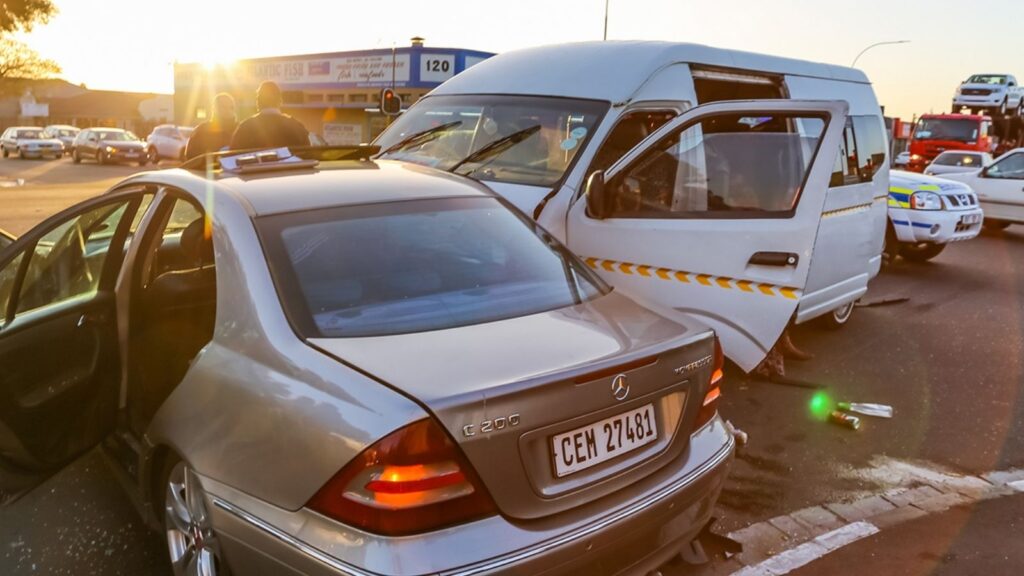
The National Regulator for Compulsory Specifications has proposed new requirements that would raise the minimum safety standards for light passenger vehicles sold in South Africa.
This is the feedback from Bobby Ramagwede, CEO of the Automobile Association of South Africa (AA).
Speaking to The Money Show, he said the proposed new compulsory vehicle safety standards represent a major breakthrough after nearly a decade of campaigning to make cars sold in South Africa safer.
Ramagwede said the AA has been advocating for many of these changes for almost ten years through its Safer Cars for Africa campaign.
The proposed specifications include compulsory electronic stability control, additional airbags and stronger materials to protect vehicle occupants during a crash.
Electronic stability control helps drivers maintain control of their vehicles by preventing skidding and helping to keep all four wheels on the road.
The proposed regulations would also require more airbags, reflecting the fact that modern vehicles often carry more than two occupants and that side-impact collisions can be particularly deadly.
Ramagwede said the AA’s crash testing programme had also exposed major differences between vehicles sold in Africa and equivalent models available in developed markets.
“The materials that are being used to reinforce the vehicles and protect occupants have been a lot thinner and a lot weaker than the materials that have been used in their counterpart markets like Europe, the US and Australia,” he said.
The regulations would apply to both vehicles manufactured in South Africa for the local market and vehicles imported into the country.
The National Regulator for Compulsory Specifications would be responsible for enforcing the requirements once they become law.
Ramagwede said manufacturers are currently able to argue that they are complying with the law because South Africa’s existing regulations set relatively low safety requirements.
“Today, manufacturers argue that they’re not breaking any laws, which is factual because the regulations are set so low,” he said.
Manufacturers and importers have already had time to prepare

However, once the proposed standards become law, manufacturers who fail to comply could face regulatory action.
Ramagwede said the AA would continue monitoring the market and exposing cases where manufacturers attempt to circumvent the requirements.
While safer technology could potentially increase vehicle prices, Ramagwede argued that the impact should not be significant.
He said manufacturers have often justified lower safety specifications by claiming that they are necessary to keep prices affordable, while the AA believes cost-cutting may also be driven by profit considerations.
“If you can make a safe car in a different territory, it shouldn’t be a question. You should manufacture the same calibre of safety for every other market because no two different lives are worth different amounts,” he said.
He added that manufacturers and importers have already had time to prepare for the regulatory changes, with many anticipating the introduction of tougher standards since at least 2025.
However, the new rules will initially exclude minibus taxis, despite these vehicles being one of the most widely used forms of transport in South Africa.
“We’re looking at light passenger vehicles, but we have started engaging government about the minibus taxi industry and how to maximise safety within that sector,” Ramagwede said.
Ramagwede said government delays, consumer price sensitivity and manufacturers prioritising profits had all contributed to South Africa falling behind international vehicle safety standards.
Despite this, he described the proposed regulations as important progress towards ensuring that cars sold locally offer the same level of protection as vehicles available in other major markets.
He added that vehicle safety is only one part of reducing road deaths, with driver behaviour remaining a major cause of accidents.
“A good 60% odd of accidents caused on the road are caused by driver behaviour. It is the one variable that, if addressed, you’d have far safer roads.”


















 Loading ...