

The Gauteng city South Africans are flocking to live in


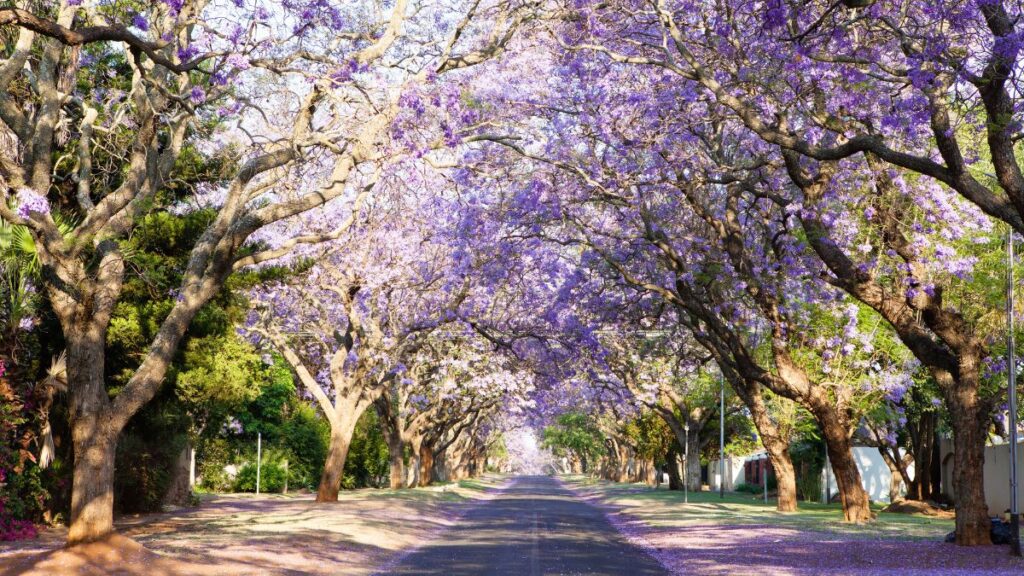
South Africans have flocked to buy homes in the City of Tshwane, which has seen the most demand in Gauteng in 2025 so far, especially from first-time buyers looking for value for money.
This is according to Natasha Champion, regional sales manager at ooba Home Loans, who said that Gauteng’s property market has shown surprising resilience and growth despite the challenges of the past few years.
“It’s definitely a tale of pockets in the Gauteng province. We’re seeing the most activity in terms of the better-performing nodes actually coming from the Tshwane area,” she explained.
According to Champion, Tshwane has recorded double-digit growth in the first half of 2025, making it the strongest market in the province.
Champion added that company headquarters relocations and affordability are likely the main drivers behind the demand in Tshwane.
“There are a couple of corporates that have HQ’d there. So they’ve made the move from Johannesburg traditionally, like the AA and Nissan, and that could be a contributing factor,” she said.
“But I think really, it’s the buying ability. Our applicants coming from the Tshwane area are actually the second-highest earners on average gross income in the country.”
With deeper pockets, these buyers have been able to sustain strong demand. Johannesburg, while still an important hub, is showing more modest growth.
“It is lagging slightly behind Tshwane and Ekurhuleni, but we’re still seeing positive growth, albeit a little less aggressive,” Champion noted.
Champion added that Gauteng has always attracted newcomers from other parts of the country looking for work, and this population growth is once again fuelling housing demand.
“We are seeing people flock back up to the city of gold and surroundings due to affordability and lifestyle in terms of value for money and property prices,” she said.
Ekurhuleni, meanwhile, is appealing to a different kind of buyer. “That’s going to appeal very much in the first-time buyer space, where that accounts for 52% of all purchases,” said Champion.
“We’re seeing a younger buyer profile, with more affordability, obviously rate-sensitive, so the timing’s better now than it has been for a while.”
Banks are opening the taps

The resurgence of first-time buyers is a notable trend across the province. “During the pandemic, first-time buyers made up over 56% of purchases when interest rates were at 7%.
“While that dipped to around 47%, in Q1 this year it went back above 50%, which is very encouraging.”
Another key development is the rise in new housing supply in Gauteng, even outpacing the Western Cape.
“It has been a while, but yes, actually, brick and mortar is going up. This is the first time in quite a while since we have overtaken them,” Champion explained.
This shift signals confidence in the province’s housing market and suggests developers see continued demand.
Champion also highlighted the current lending climate as a positive for buyers. “The banks are fighting for market share. They’re fighting for business.”
“They’re taking a softer view in terms of risk appetite, being very responsible, but very keen to lend,” she said.
“We are seeing the best rate concessions that we’ve seen in many years. The average rate concession in Johannesburg is 0.59% below prime, across all price brackets.”
Buyers with larger deposits stand to benefit even more. Lending is all about risk. The bigger the deposit, the lower the risk, the more attractive the deal, and the better the interest rate.
“It’s a combination of factors that makes Gauteng an attractive place to buy. But if you’re looking for where it’s all happening right now, it’s definitely Tshwane,” she added.


















 Loading ...