

Small South African town where people earn R124,000 a month produces the rarest coffee in the world


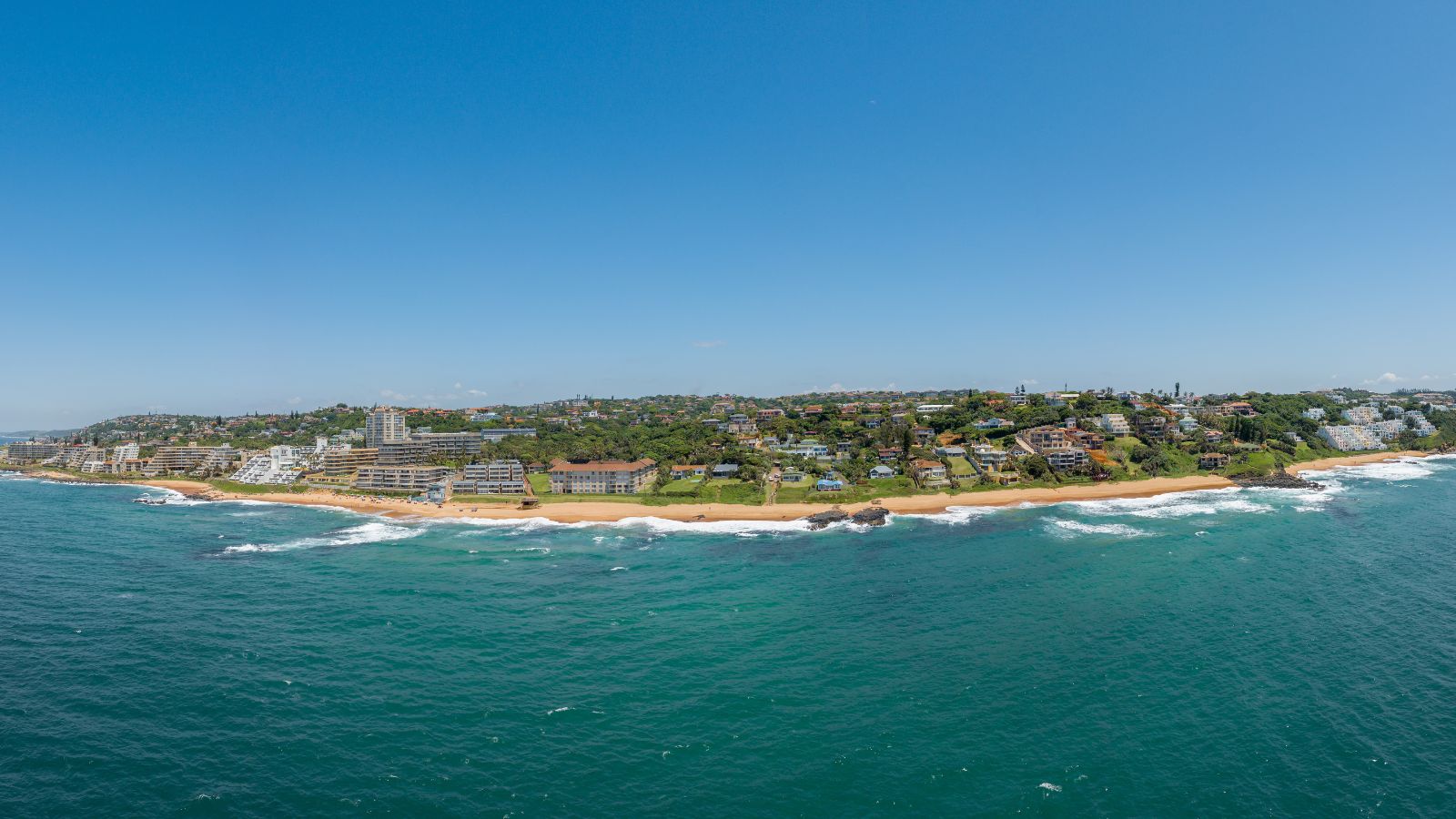
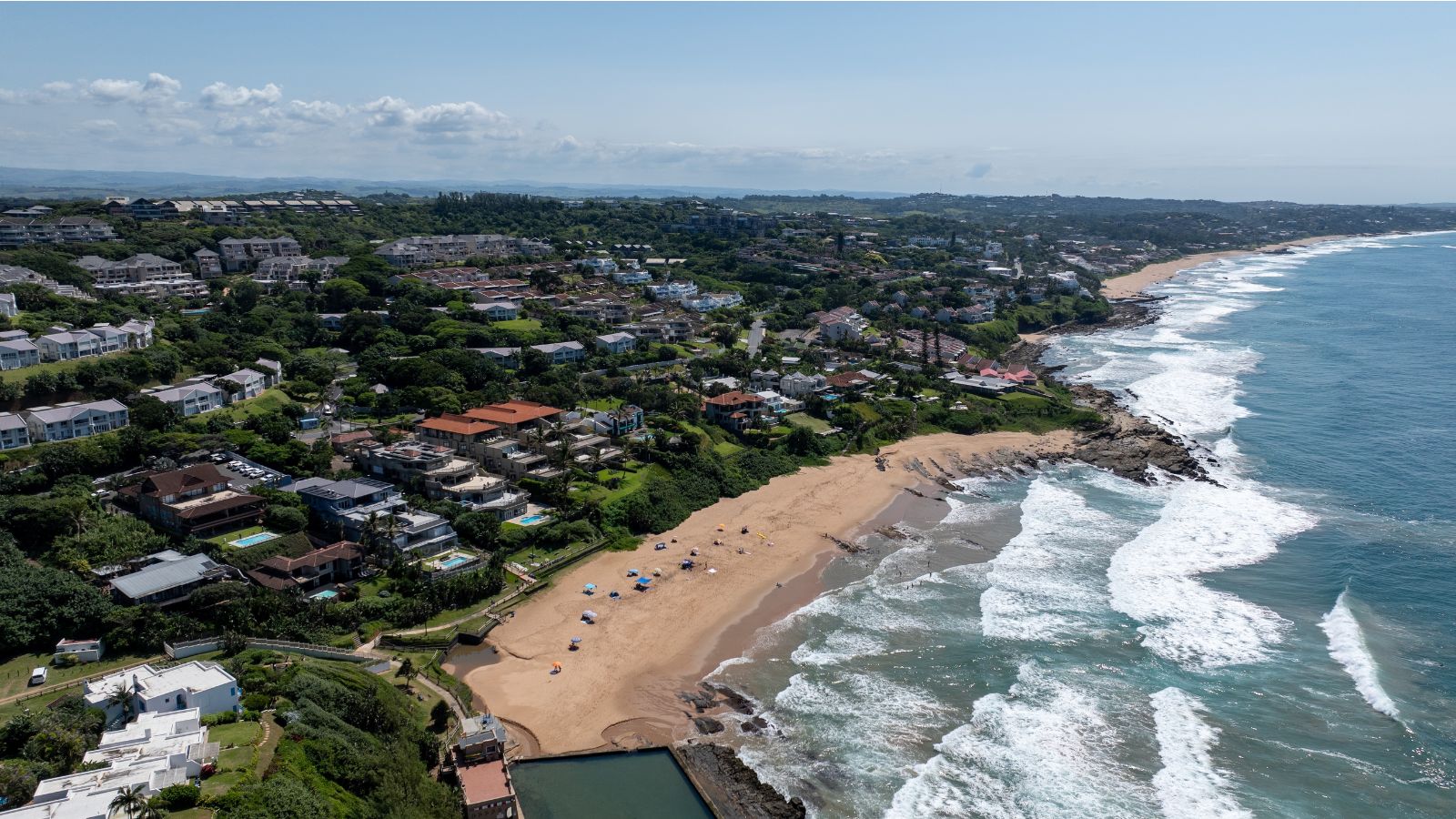
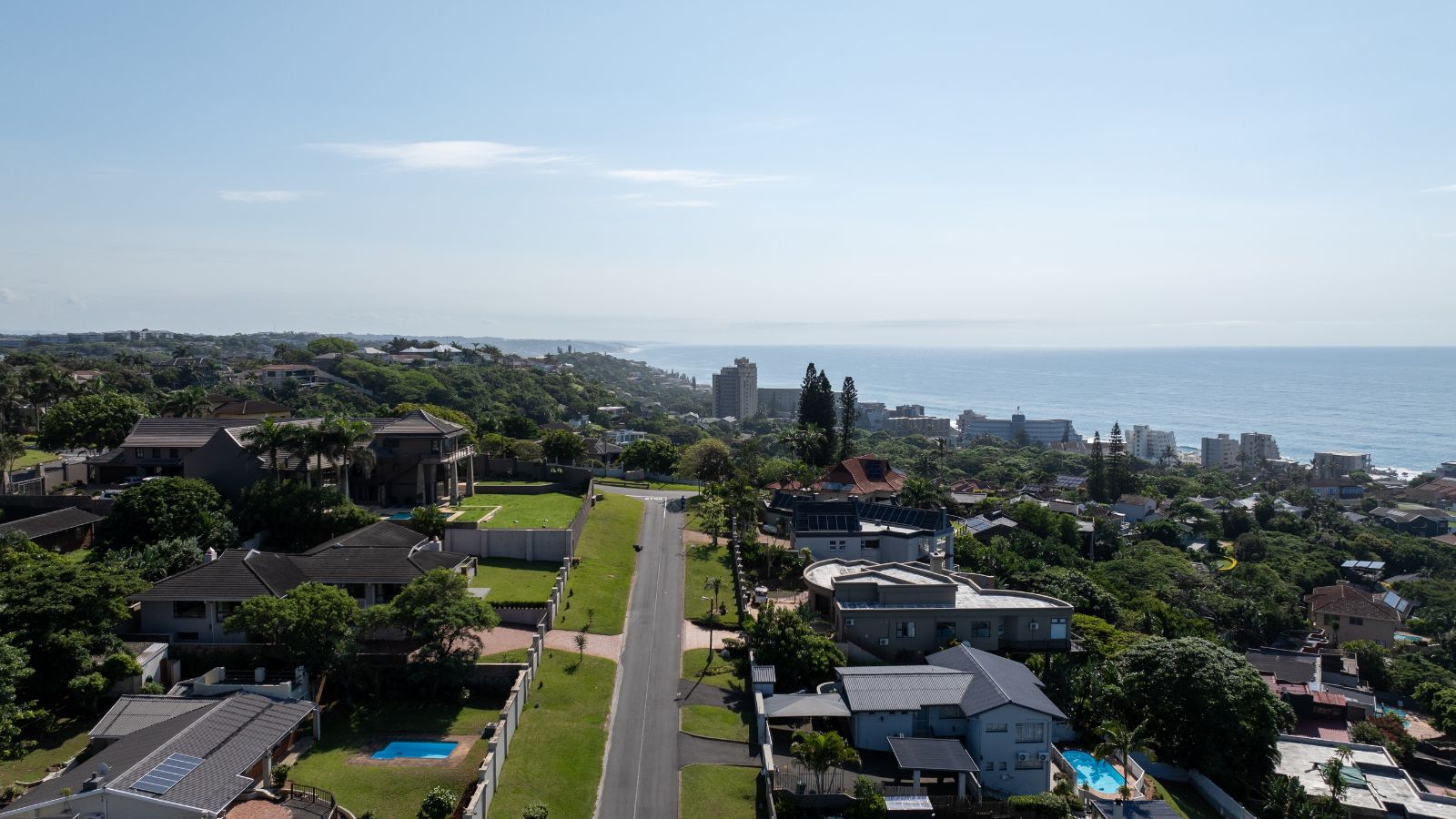
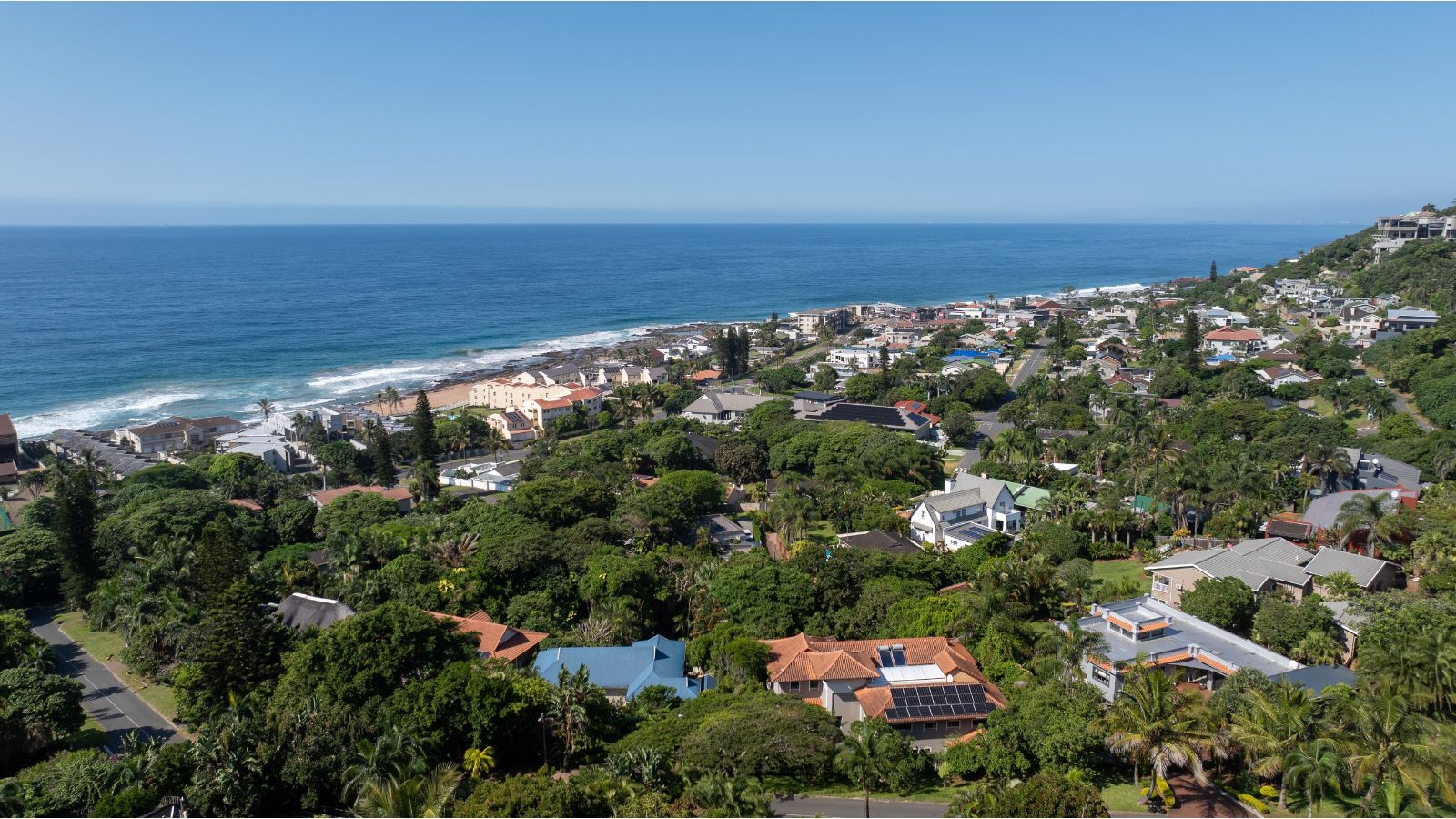
Ballito in KwaZulu-Natal is known as a semigration hotspot for wealthy South Africans, but it is also home to a key site for the cultivation and production of the rarest coffee in the world.
Ballito is about 40 kilometres north of Durban. It is part of the KwaDukuza Local Municipality and the iLembe District Municipality.
Founded in 1954 by the Glen Anil Development Corporation, the town’s name was inspired by an advertisement for Ballito hosiery made by Ballito Hosiery Limited of St. Albans, England.
The area started out as a sugar cane farm owned by Basil Townsend, which was known as the Compensation Beach Farm.
In 1954, the Sunday Tribune published an advertisement for Ballito Bay, encouraging investors and homebuyers to the North Coast with land prices starting at around R790.
The town plan known as Compensation Beach had already included the zoning of Ballitoville’s residential buildings, hotels, and caravan park by 1964, covering Willard Beach, Clark Bay, Salmon Bay, and Port Zimbali.
The first marketing brochure with pictures of Ballito was distributed to attract holidaymakers to invest in the area.
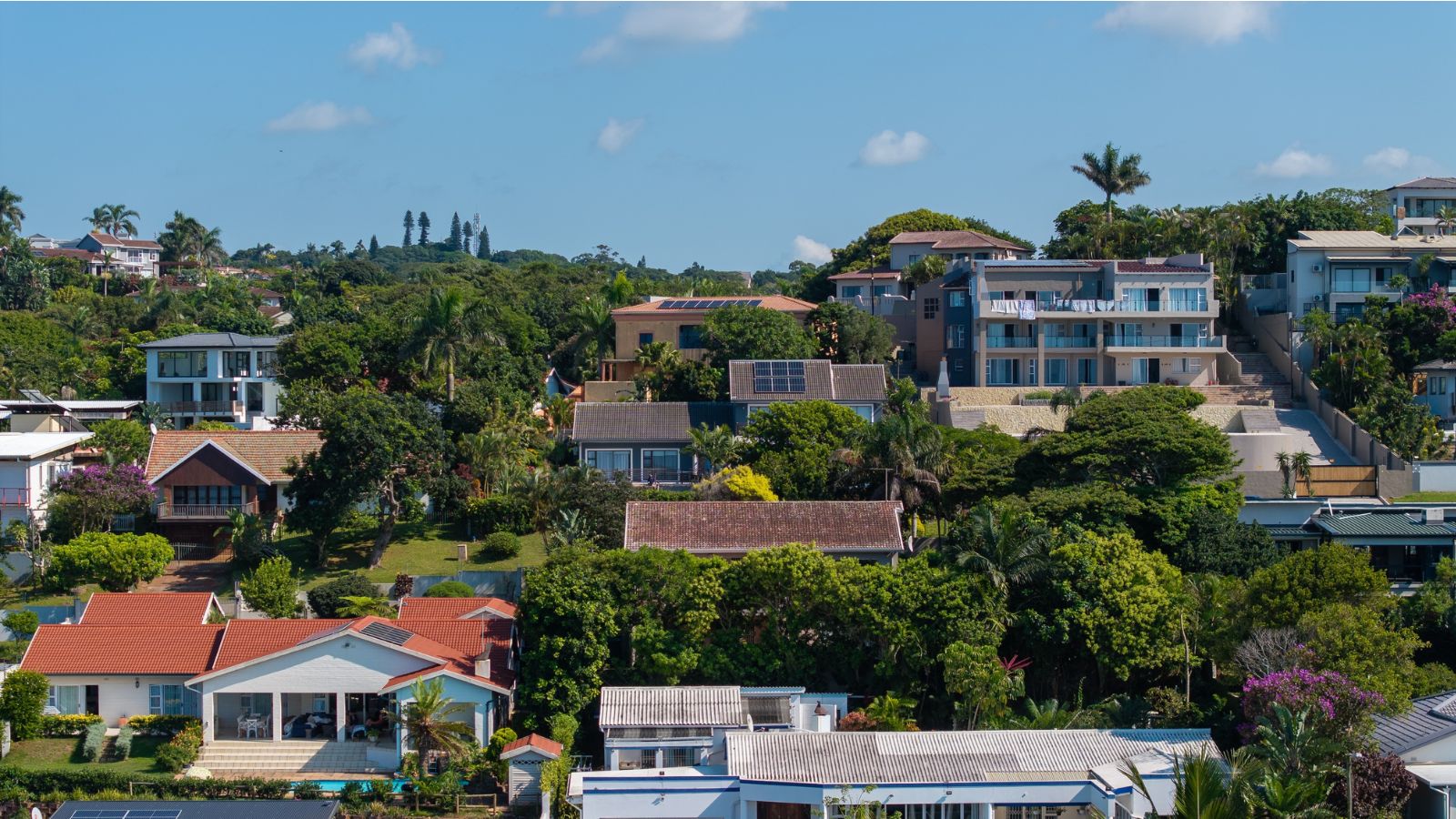
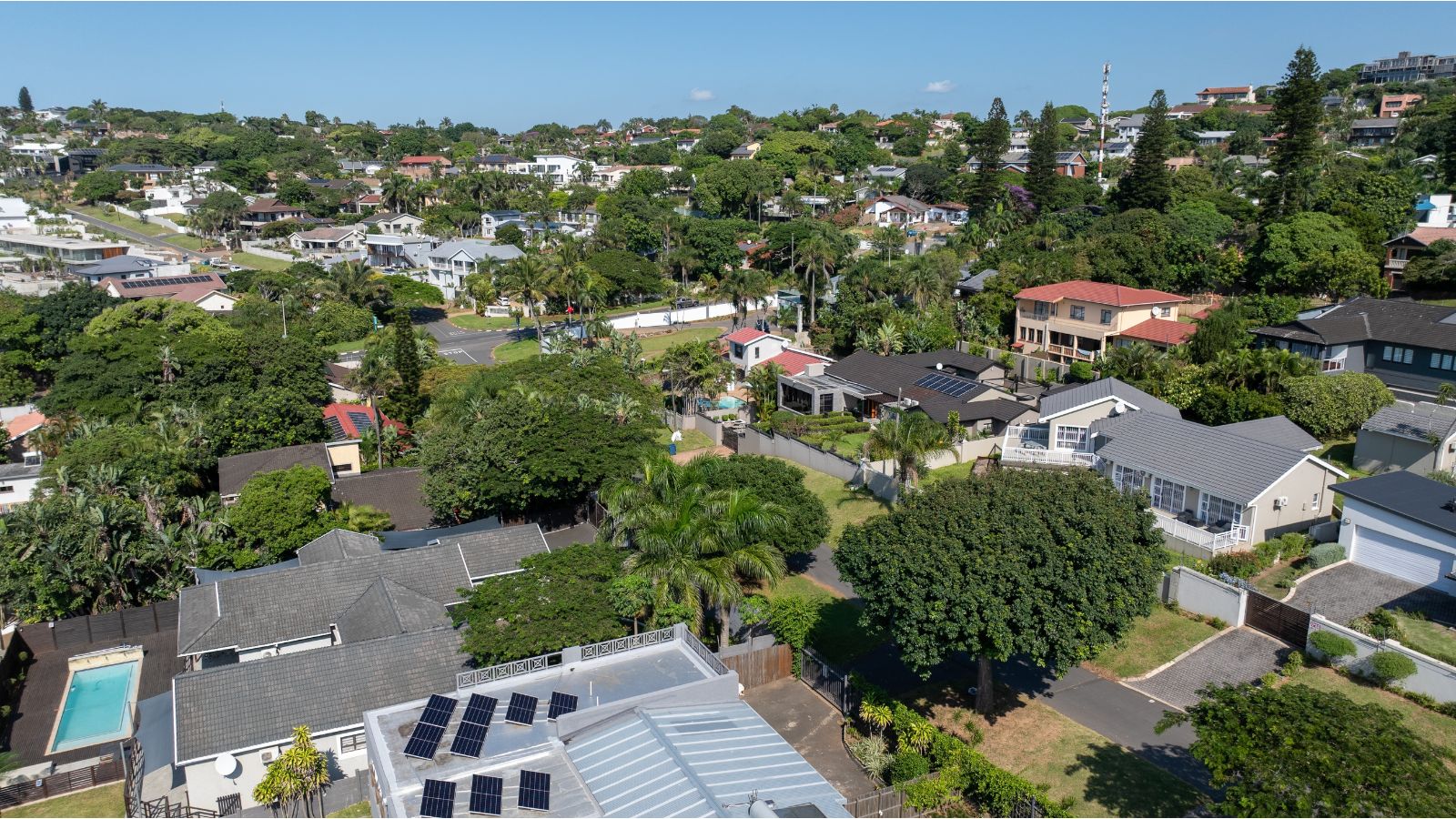
Today, Ballito has experienced a population boom, particularly among wealthy holidaymakers. As a result, various secure or gated estates have been constructed.
These include very well-known security estates like Zimbali Coastal Estate, being the most extensive, and Simbithi Eco Estate following behind.
According to Rainmaker Marketing’s latest Property Market Report, these areas, including Ballito, are now major property powerhouses.
The report noted that since 2011, monthly household income within Ballito has increased by an average of 504%.
The report revealed that the average monthly household income in Ballito in 2025 was between R91,500 and R124,000, or R1.09 million to R1.49 million a year.
The North Coast area is also home to the R2 billion mega-luxury Club Med resort opening its doors in July 2026.
Home to the rarest coffee in the world
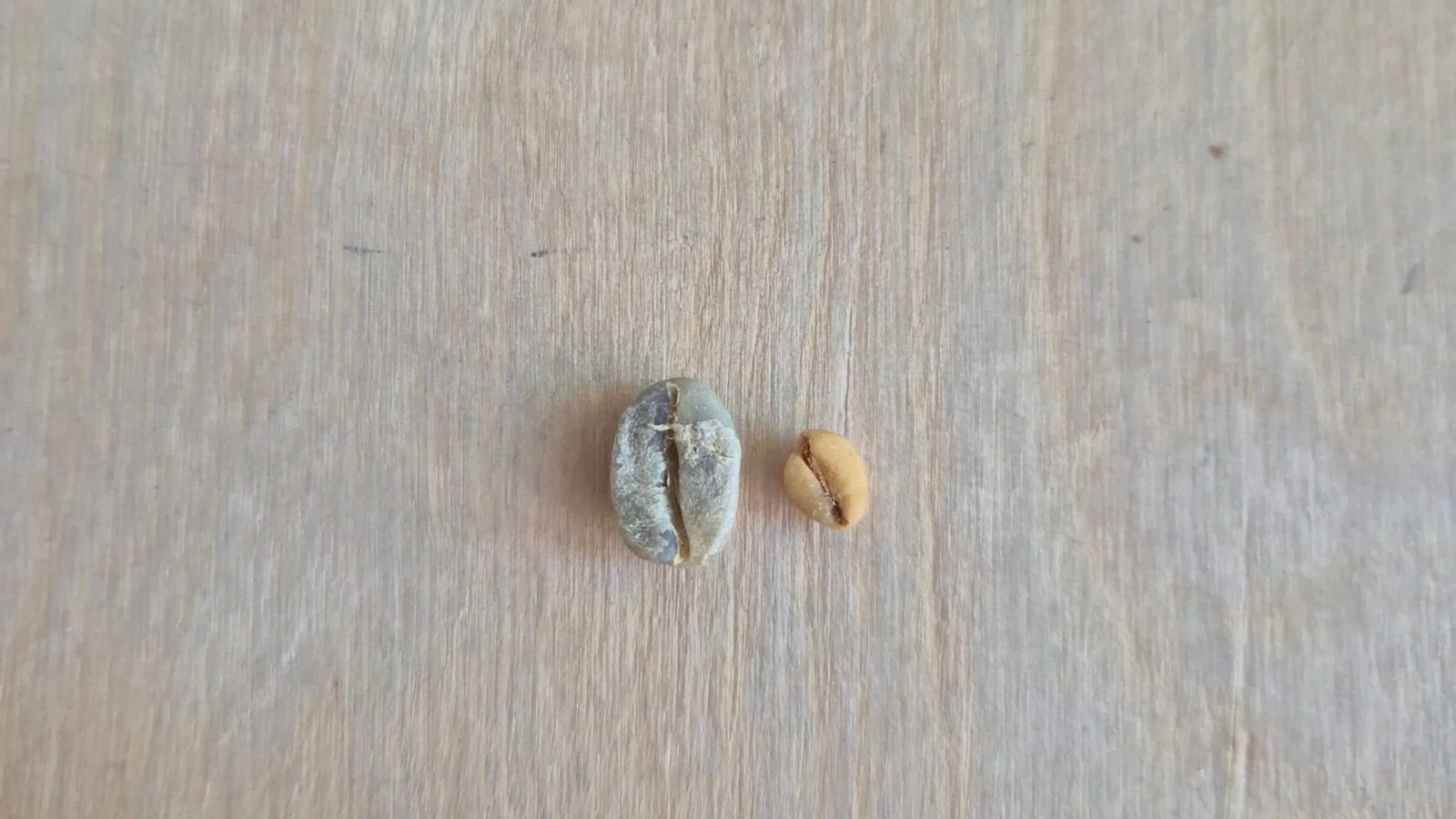
While Ballito is well-known for its demand for holiday homes and property growth, the region is also playing a key role in cultivating Coffea racemosa, which is considered the rarest coffee bean in the world.
The species is indigenous to Southern Africa, but remains extremely scarce due to the unique climate it requires to grow.
In an interview with 702 Drive, the founder of Cultivar Coffee and Racemosa Coffee, Charles Dennison, said his involvement in cultivating the rare coffee in South Africa began through academic research.
He explained that while he was doing his Master’s degree in coffee, he came across references to a little-known species while travelling across Africa.
“We read about a unique coffee species, and so with my family, we started to see if we could find some of these trees,” he said.
“They’re super rare. They are protected on the International Union for Conservation of Nature (IUCN) red lists, like the black rhino.”
After eventually finding seedlings, Dennison and his family began growing the plants, propagating around 15,000 trees over the past decade.
The towns of Hluhluwe and Ballito are known as the primary locations where the trees are found in the wild and cultivated.
Dennison’s farms in northern KwaZulu-Natal, including areas around Ballito, now account for most of the coffee under cultivation. “At the moment, we have probably about 90% of what exists in Africa,” he said.
However, he added that production is very limited. “It’s a very slow-growing tree. It’s very hard to propagate, which is why it’s so rare in the wild,” Dennison said.
The coffee’s flavour also sets it apart. “It’s completely different to any coffee I think anybody really would have tasted,” he said.
“There’s a strong blackcurrant note, herb notes, camphor, mint.” Some people even detect unusual aromas like Cannabis.
Dennison also admitted that the coffee is an acquired taste, and reactions to its flavour vary. “When people taste it, they either love it or they hate it,” Dennison said.
Because of its rarity and price, most of the coffee is exported. “Unfortunately, as South Africans, it’s hard to afford a coffee like this,” he said.
He added that most of it is exported, and last year his farms sold beans to very high-end roasters in 15 different countries.
Production volumes also highlight how scarce this type of coffee is. “350 kilograms is what we produced in 2025, which is what a small coffee shop would use in a year,” Dennison said.
Despite its scarcity, he noted that the plant could have broader benefits. He explained that coffee’s genetics are very unique, and it can survive in low rainfall, drought conditions, and even cold temperatures.
“A lot of breeding programmes around the world now are looking into producing Coffea racemosa for these unique tendencies.”
He believes it could eventually support rural economies if expanded carefully. “It doesn’t need to be sprayed, and it doesn’t need irrigation, so there’s good potential to earn forex income.”
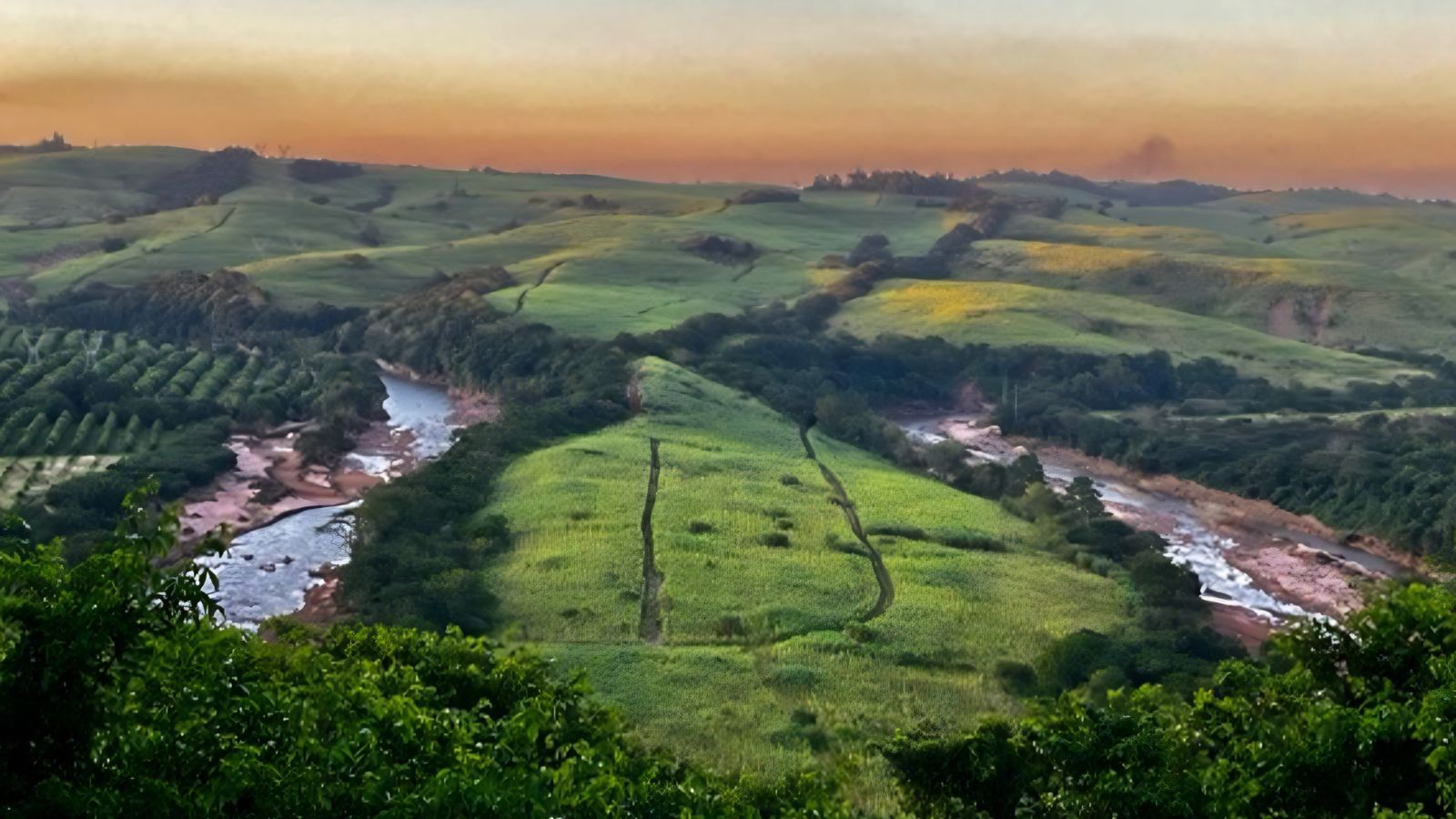
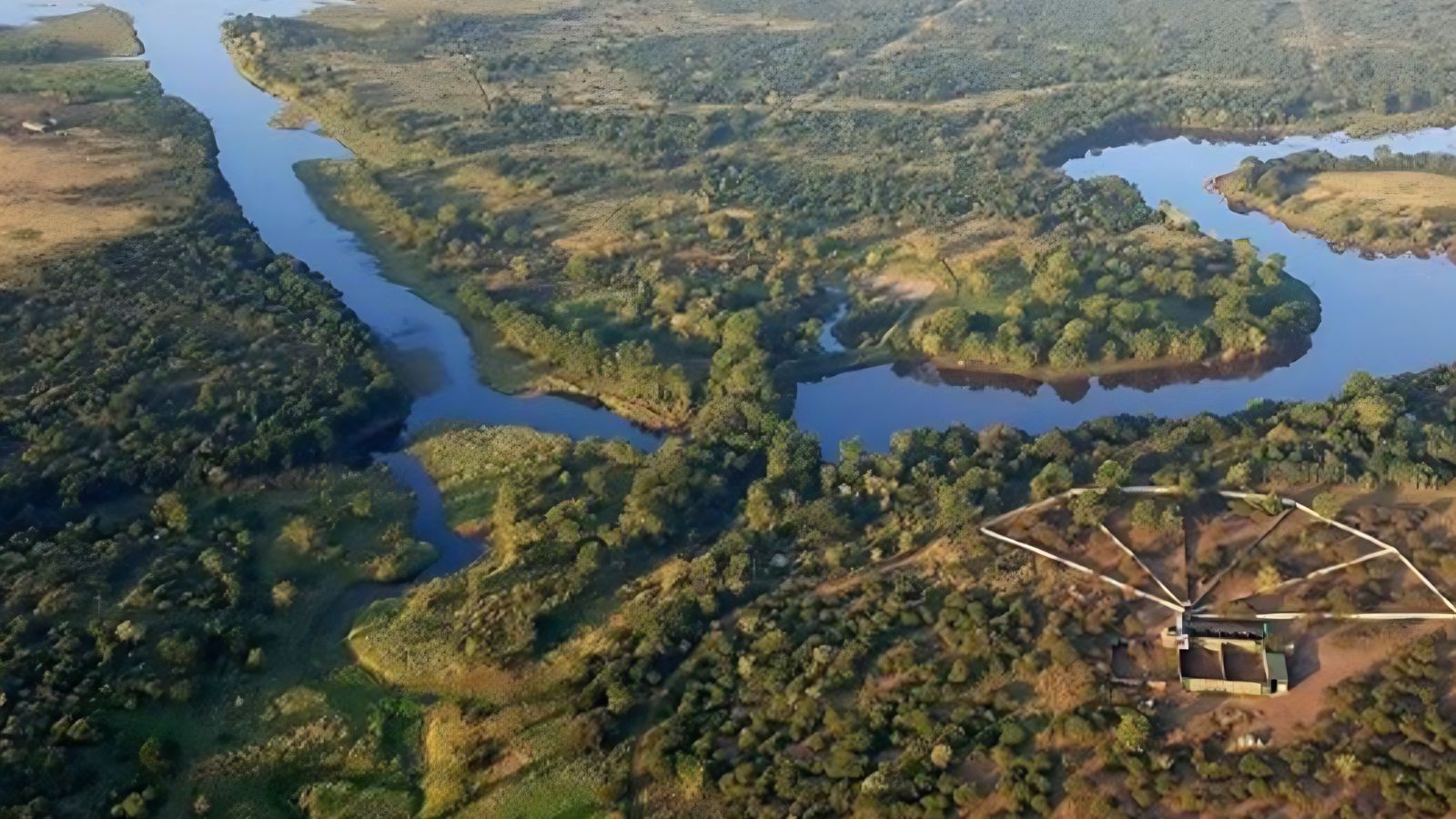
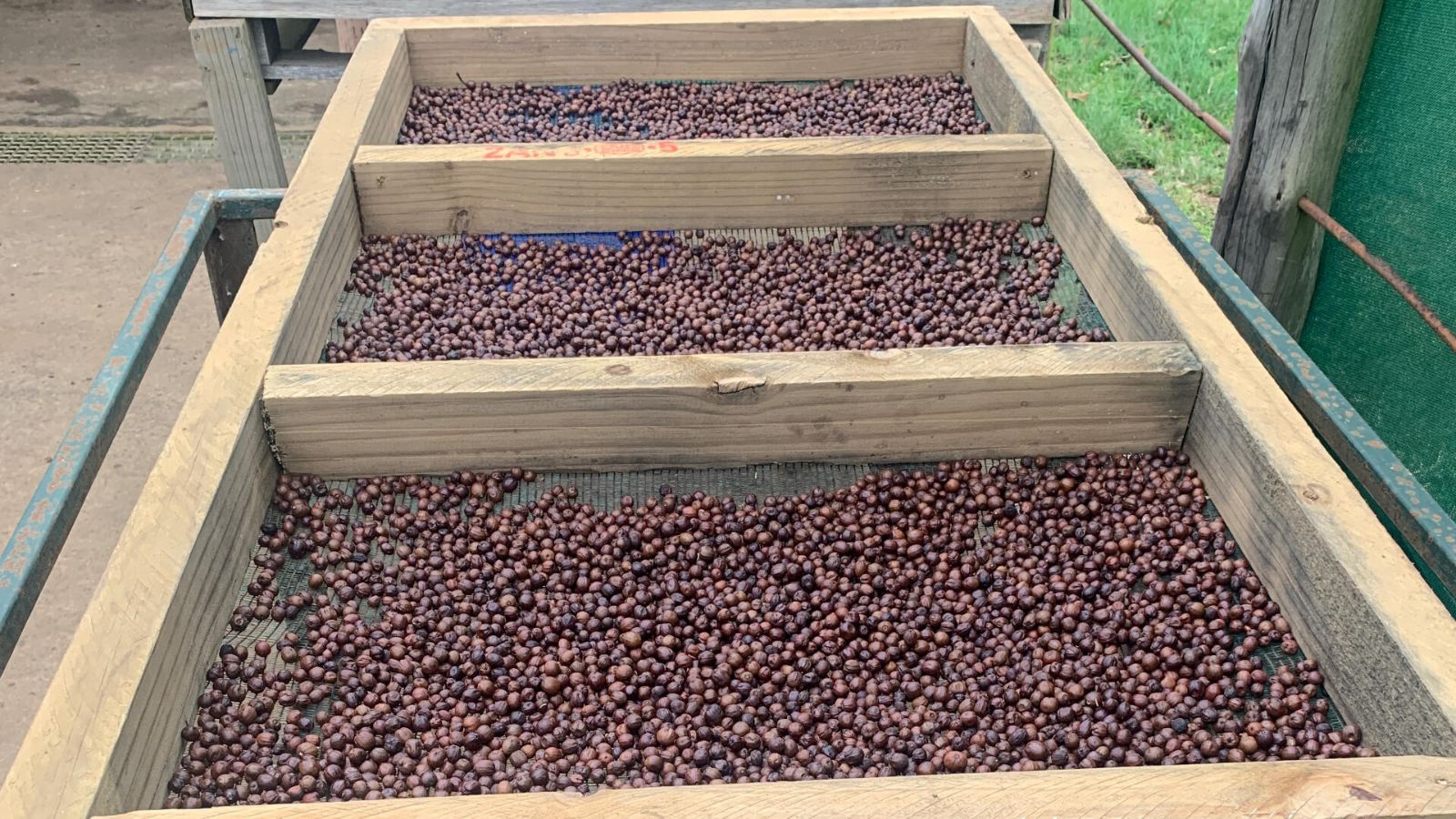
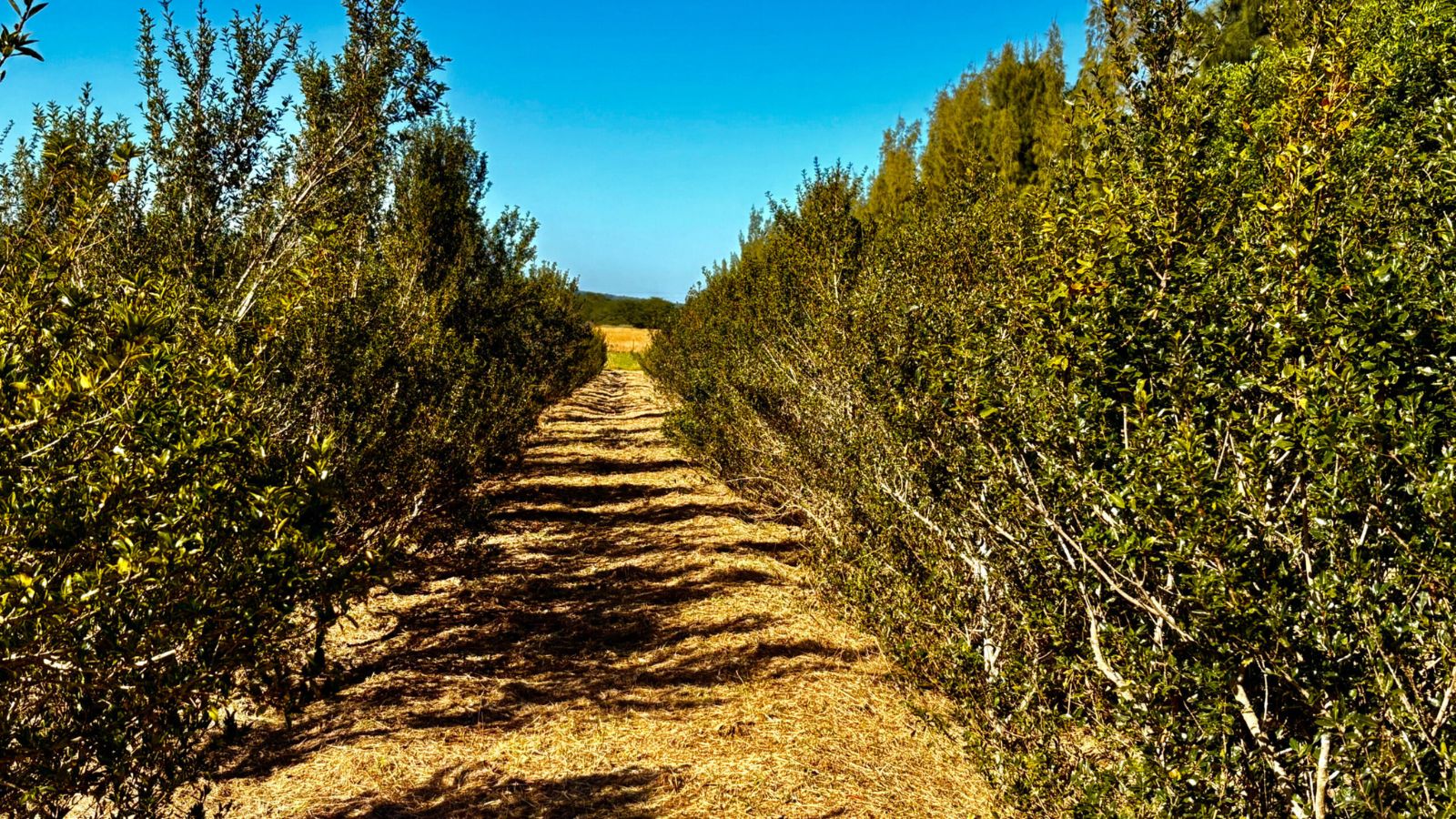
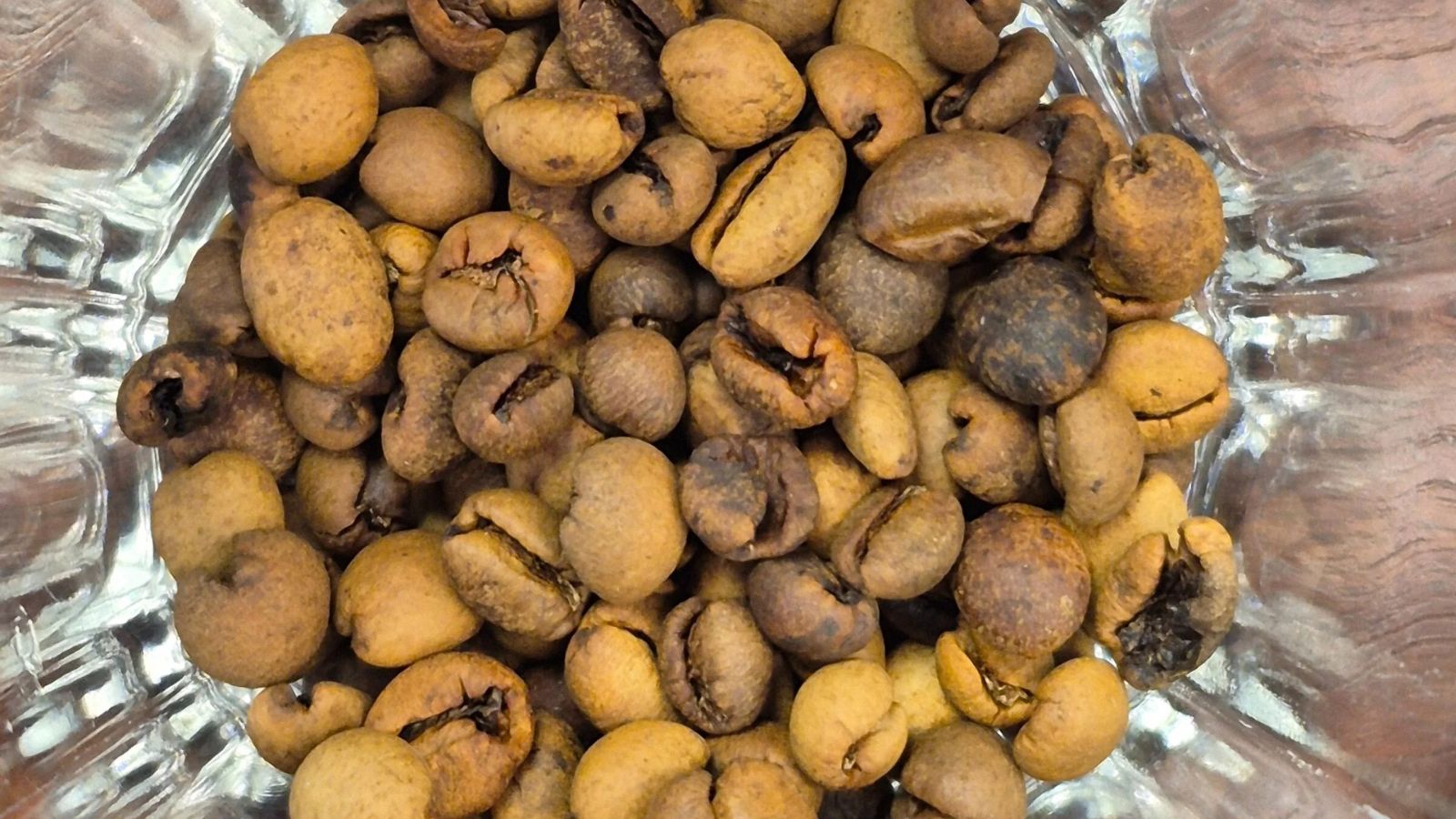
Coffea racemosa production in KwaZulu-Natal – photos
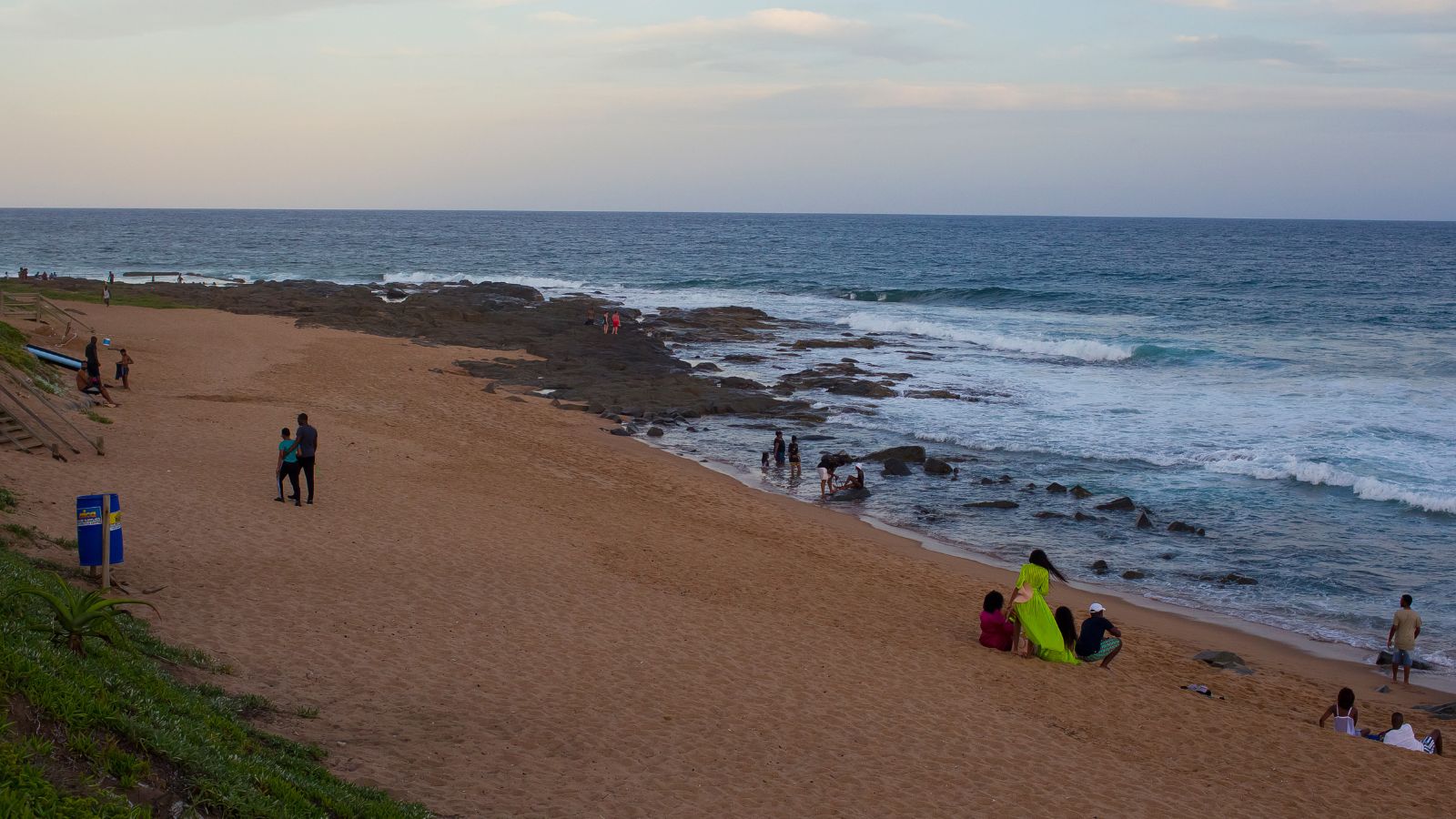
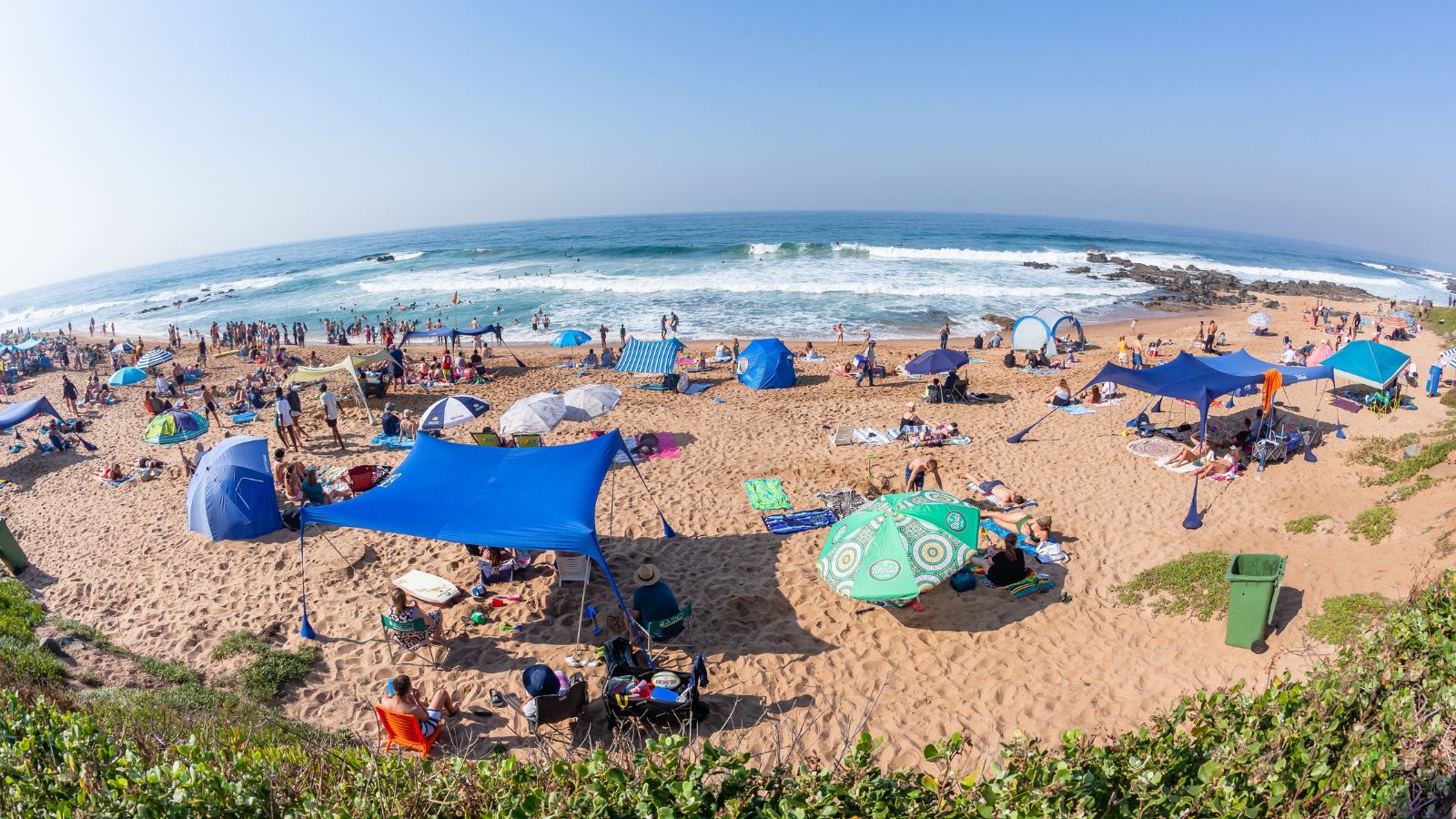
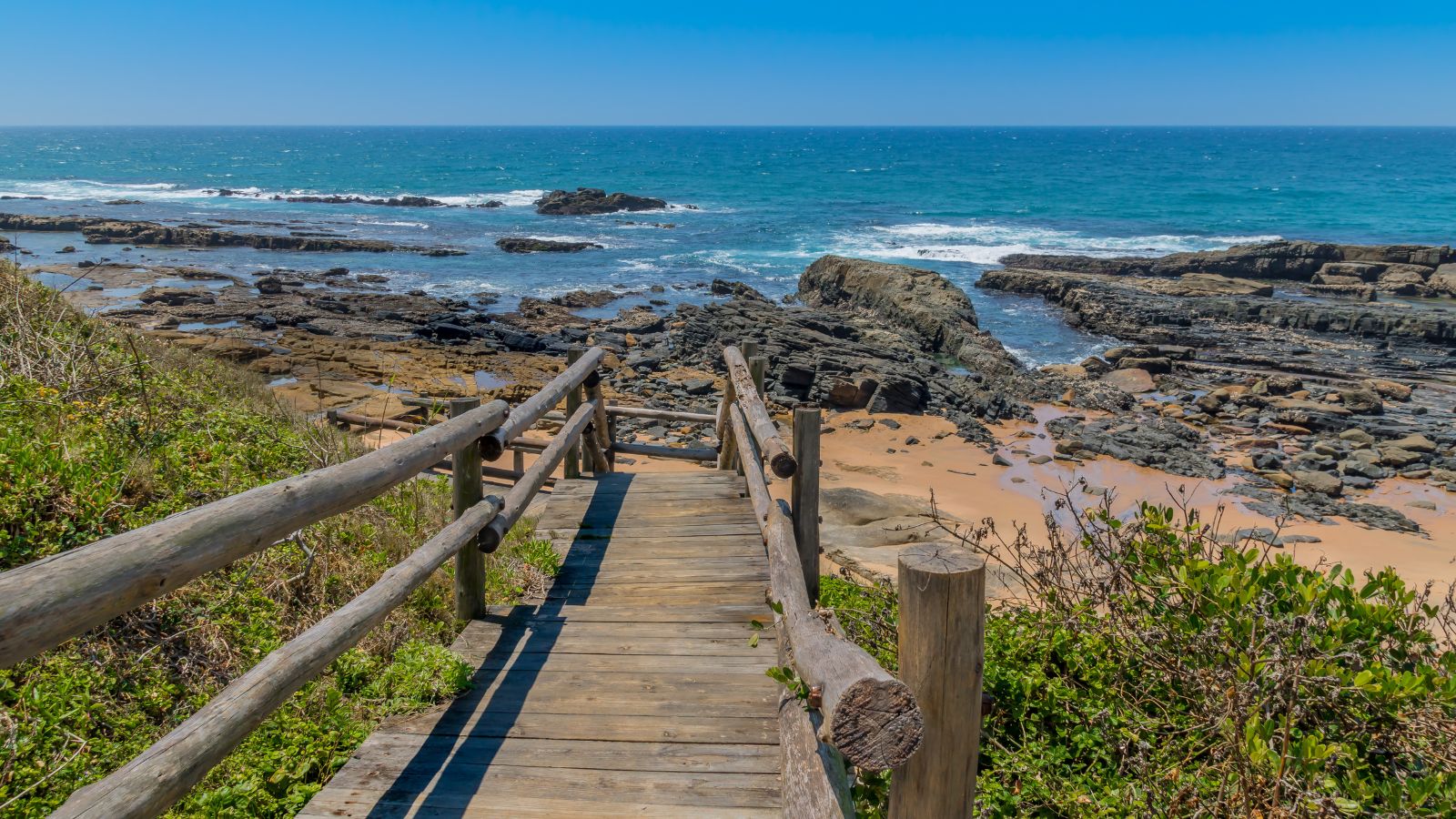
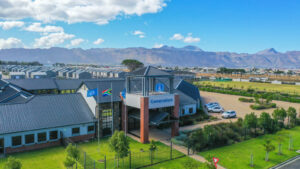
Photos of Ballito















 Loading ...