

R18 billion privately-owned city being built on land bought from top university in South Africa



Construction has started on the first phase of the R18 billion Bankenveld District City development, a privately owned mixed-use project being built on land acquired from the University of the Witwatersrand (WITS).
The development, led by Calgro M3 and its partner Eris Property Group, is located near the Marlboro Gautrain station between Sandton and Waterfall City.
The site sits just off the Marlboro offramp on the N3 highway and is expected to deliver more than 20,000 residential opportunities over a 15-year period.
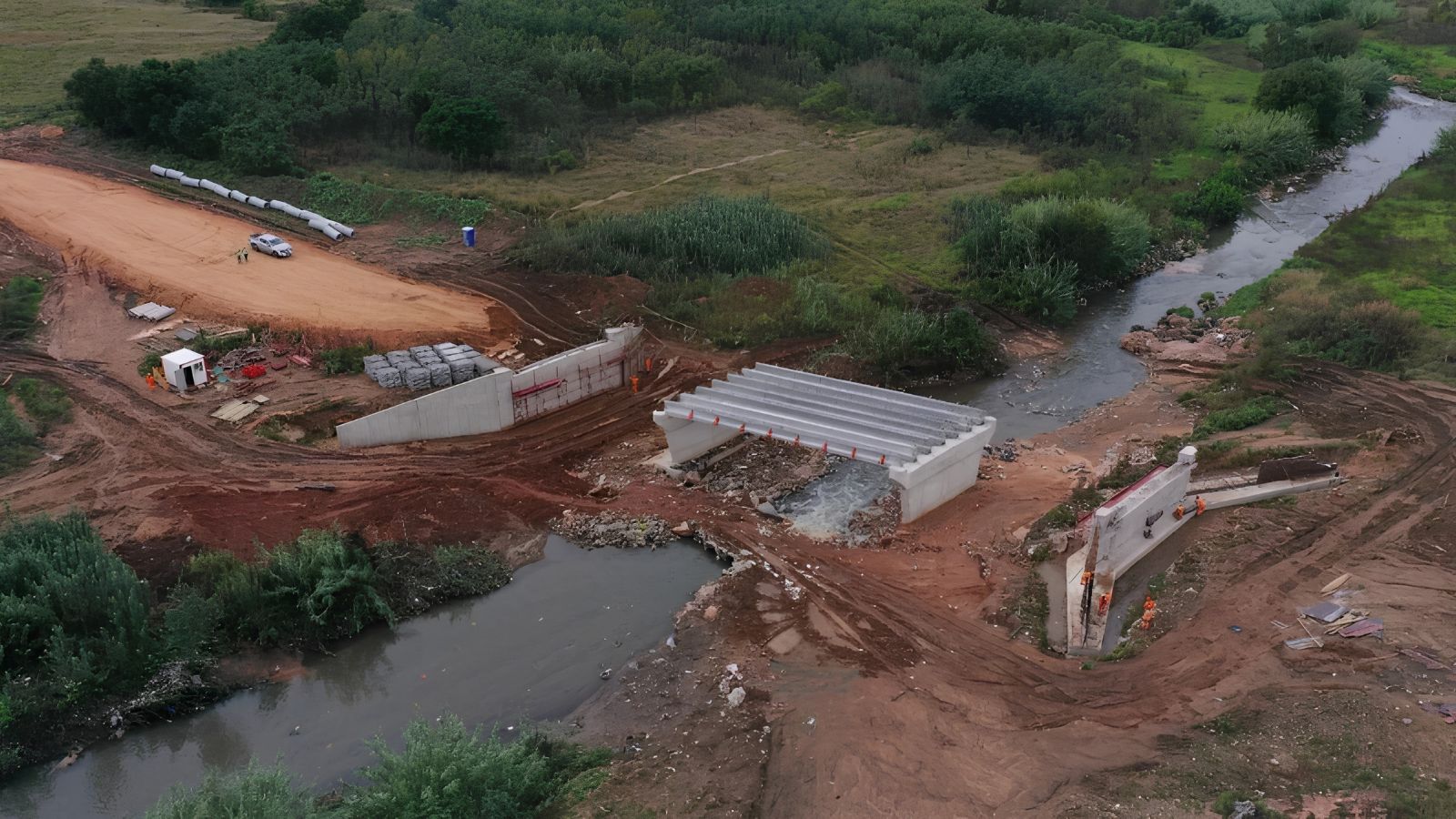
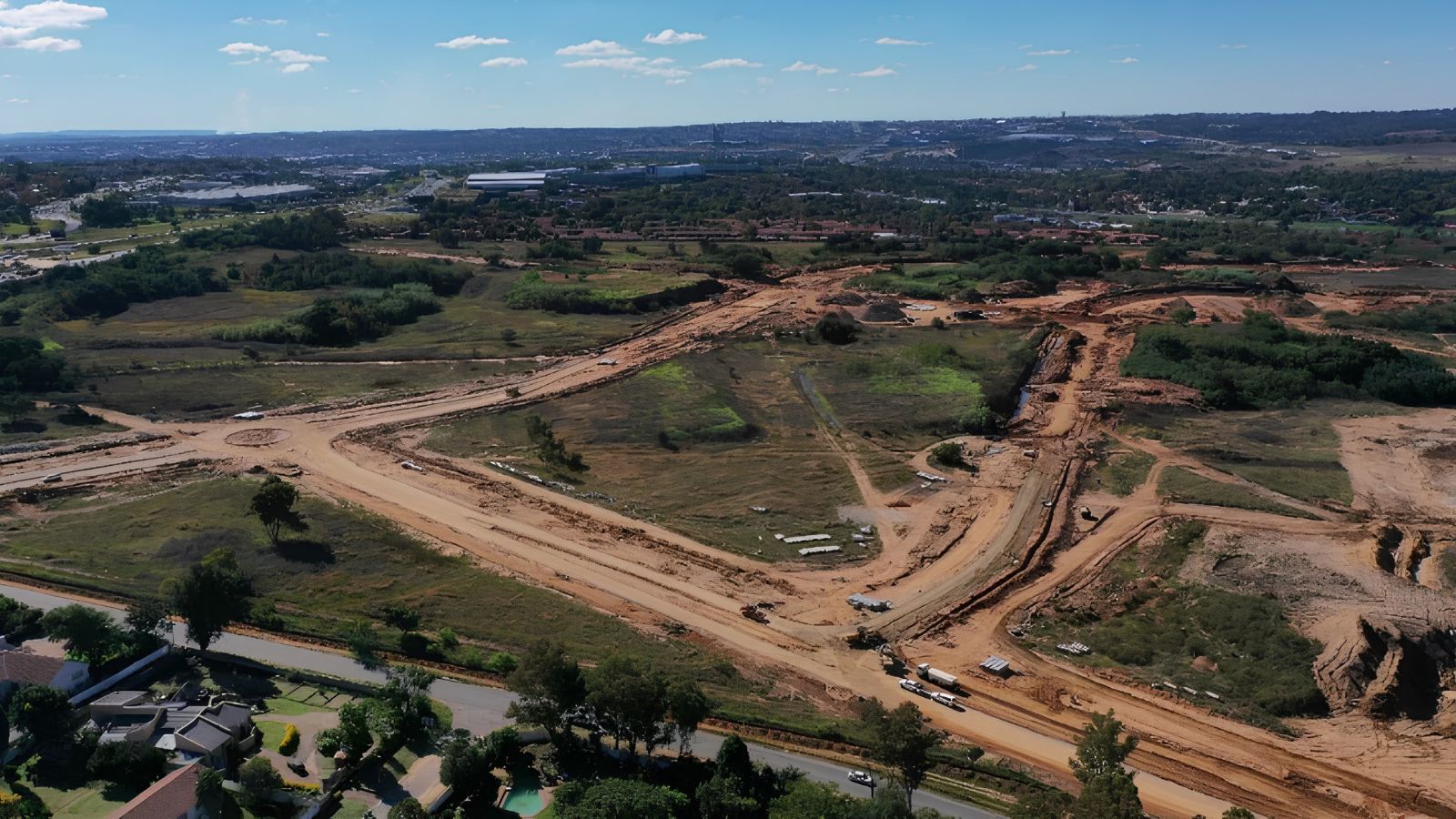
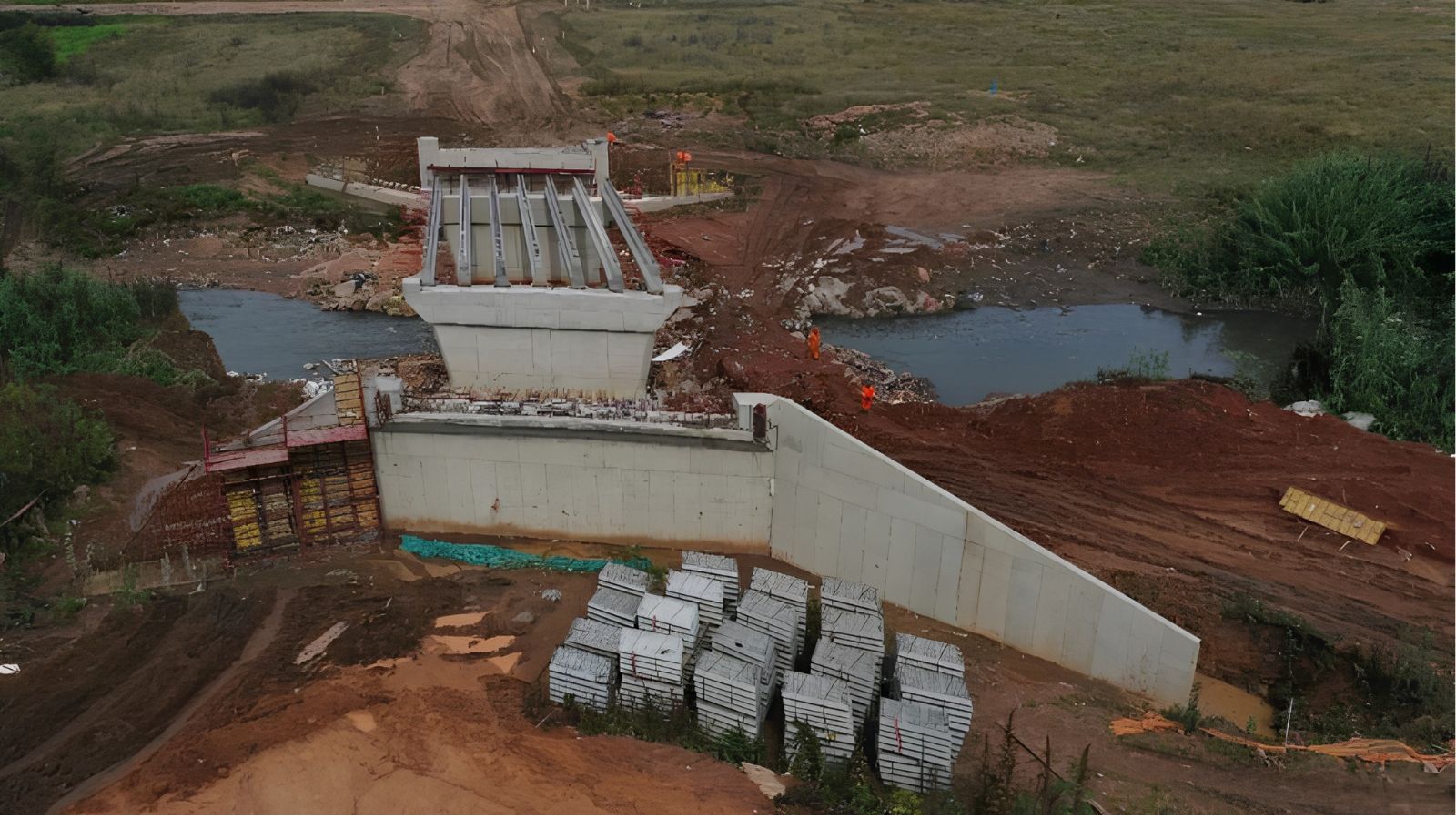
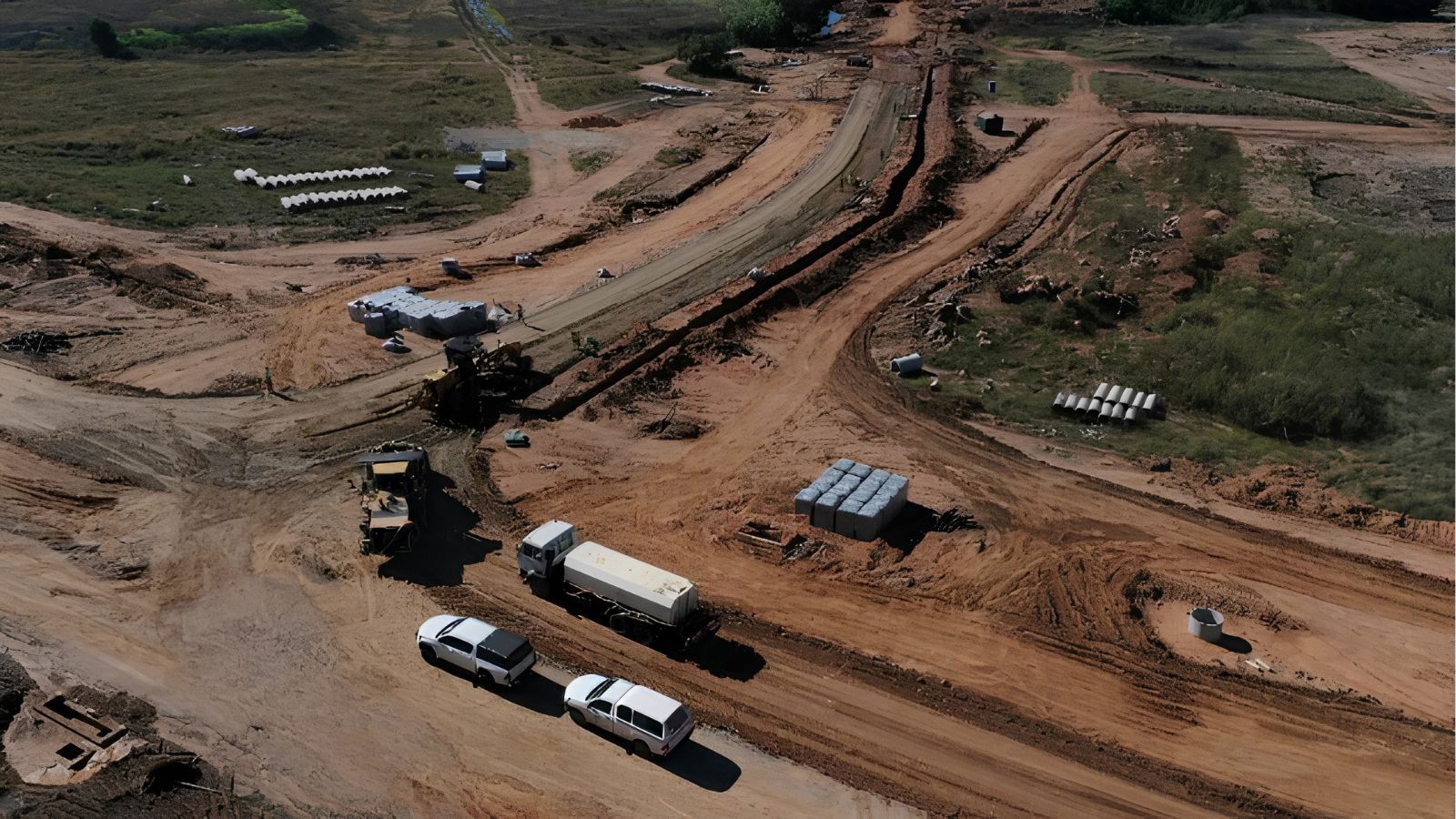
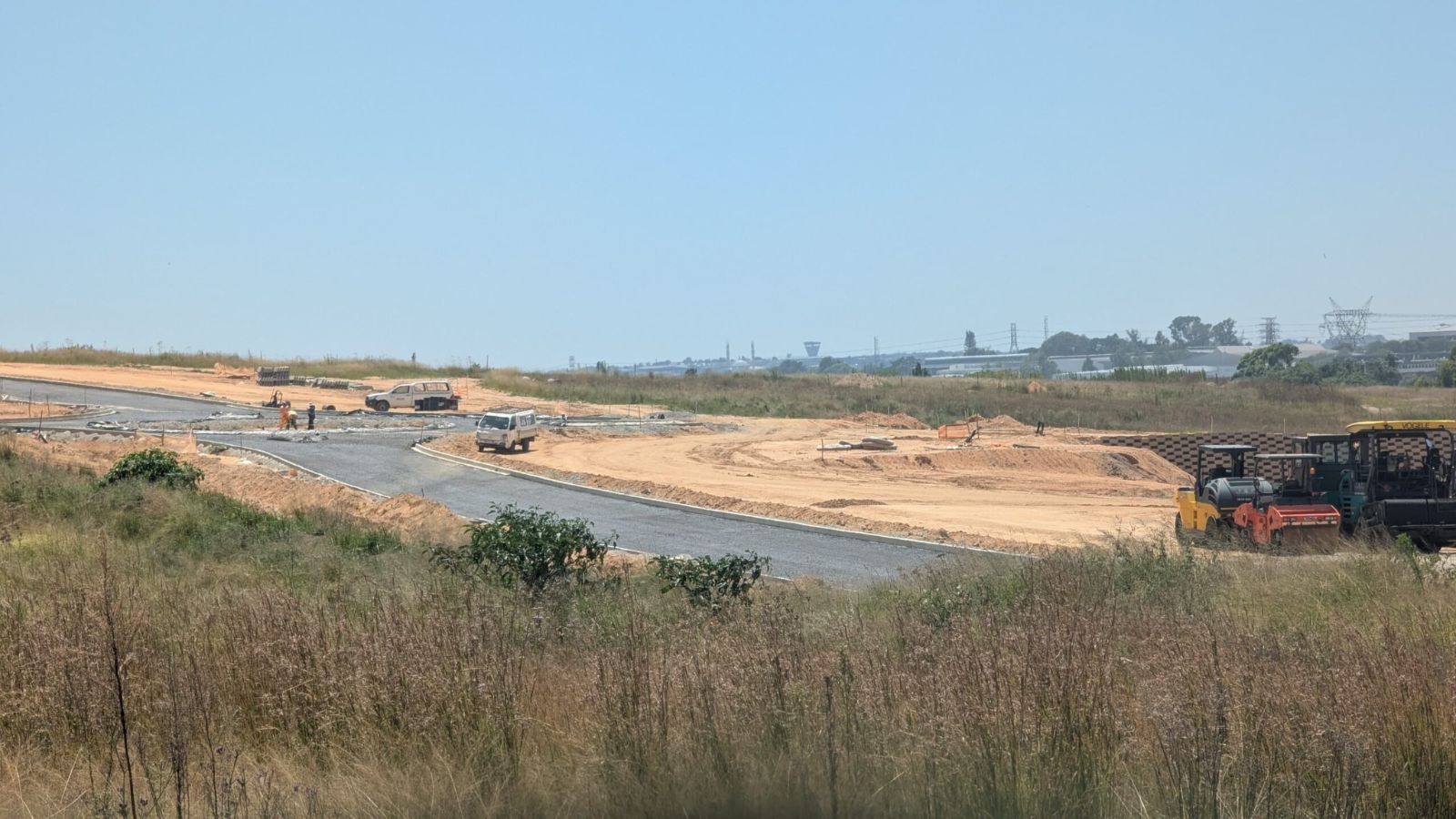
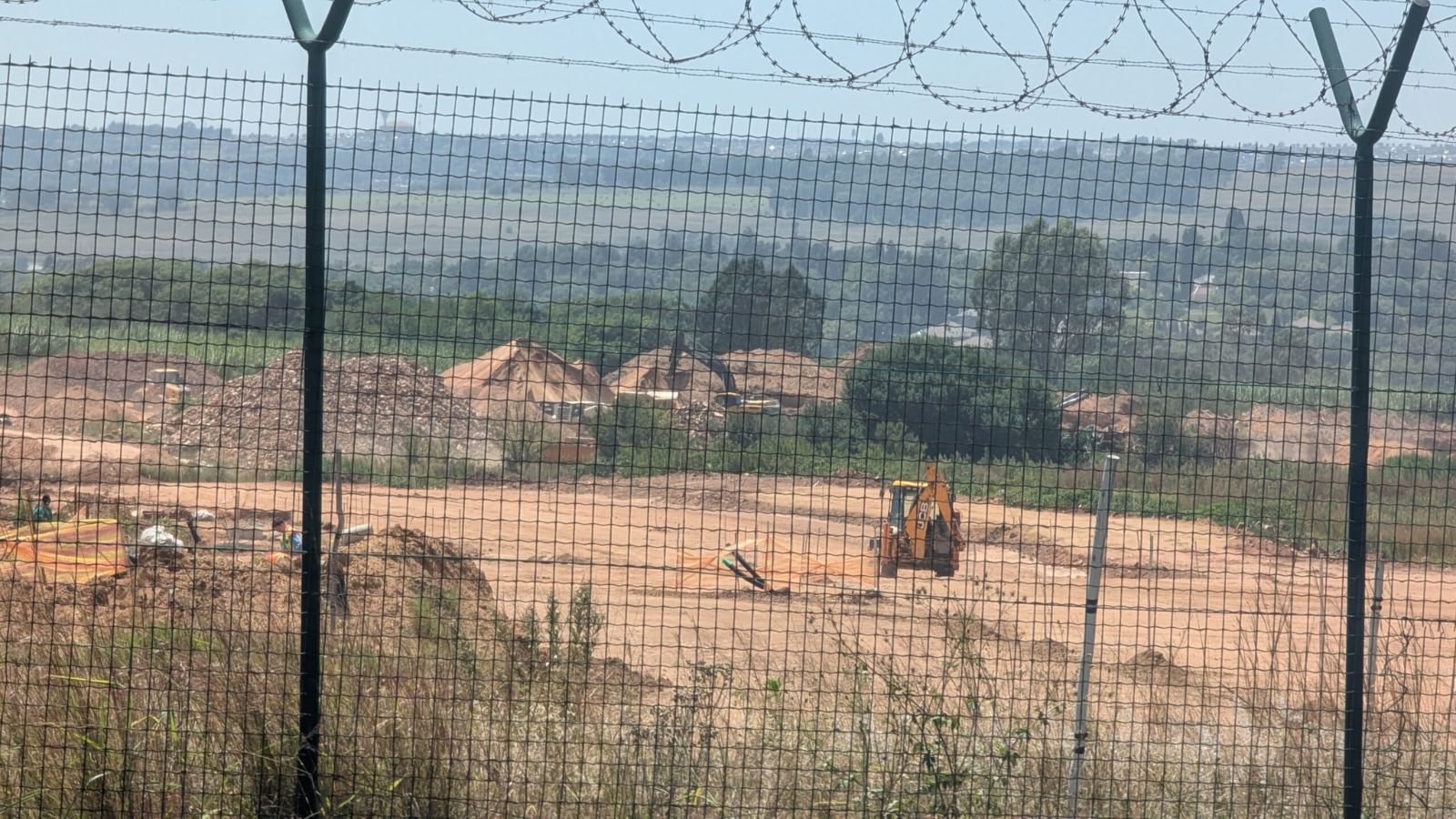
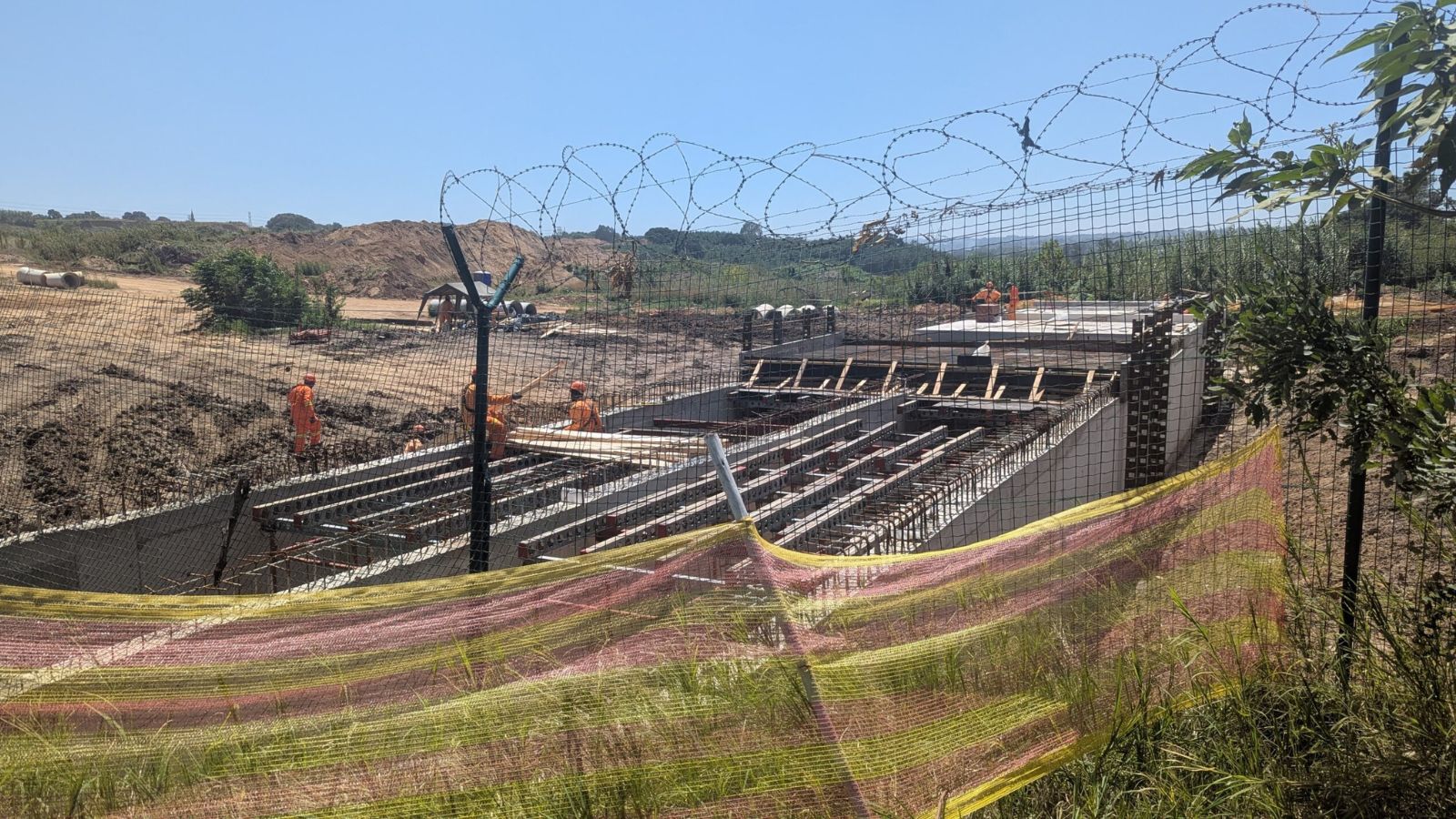
Calgro M3 confirmed in its financial results for the year ended February 2026 that work has begun on the project’s bulk and link infrastructure, including arterial roads, connector roads and bridges over the Jukskei River.
The company said Bankenveld now accounts for the largest share of its R31.8 billion development pipeline and is expected to become the group’s flagship project.
Calgro M3 CEO Ben Pierre Malherbe said the development represents a long-term investment that will shape the company’s future growth, even though it is currently placing pressure on earnings.
“I think the slowdown came down to the fact that we invested quite heavily into the Bankenveld project on the infrastructure there, and we haven’t been able to recover any of that investment as yet,” Malherbe said in an interview with Kaya Biz.
He said Calgro had spent the past year finalising older developments to free up capacity for Bankenveld once the infrastructure phase was complete.
“We had a whole lot of projects that are nearing the natural end of life, and the focus this year was to finish off these non-core assets,” he said.
“This is so that when Bankenveld infrastructure is ready, and we can start there, we’ve got the capacity actually to go into the project.”
The land for the development was purchased from Wits University for R200 million, with the transfer taking place in September 2024 after approval from the Competition Commission.
WITS said at the time that proceeds from the sale would be used to establish an endowment fund to help finance future students’ degrees. Malherbe said the project’s location was one of its biggest advantages.
“We bought it from Wits University, so it’s strategically located between the Sandton and the Waterfall CBDs,” he said.
“So it’s prime land, and I think it’s the ideal opportunity to address the lower end of the market in that area.”
Calgro’s biggest development of its kind
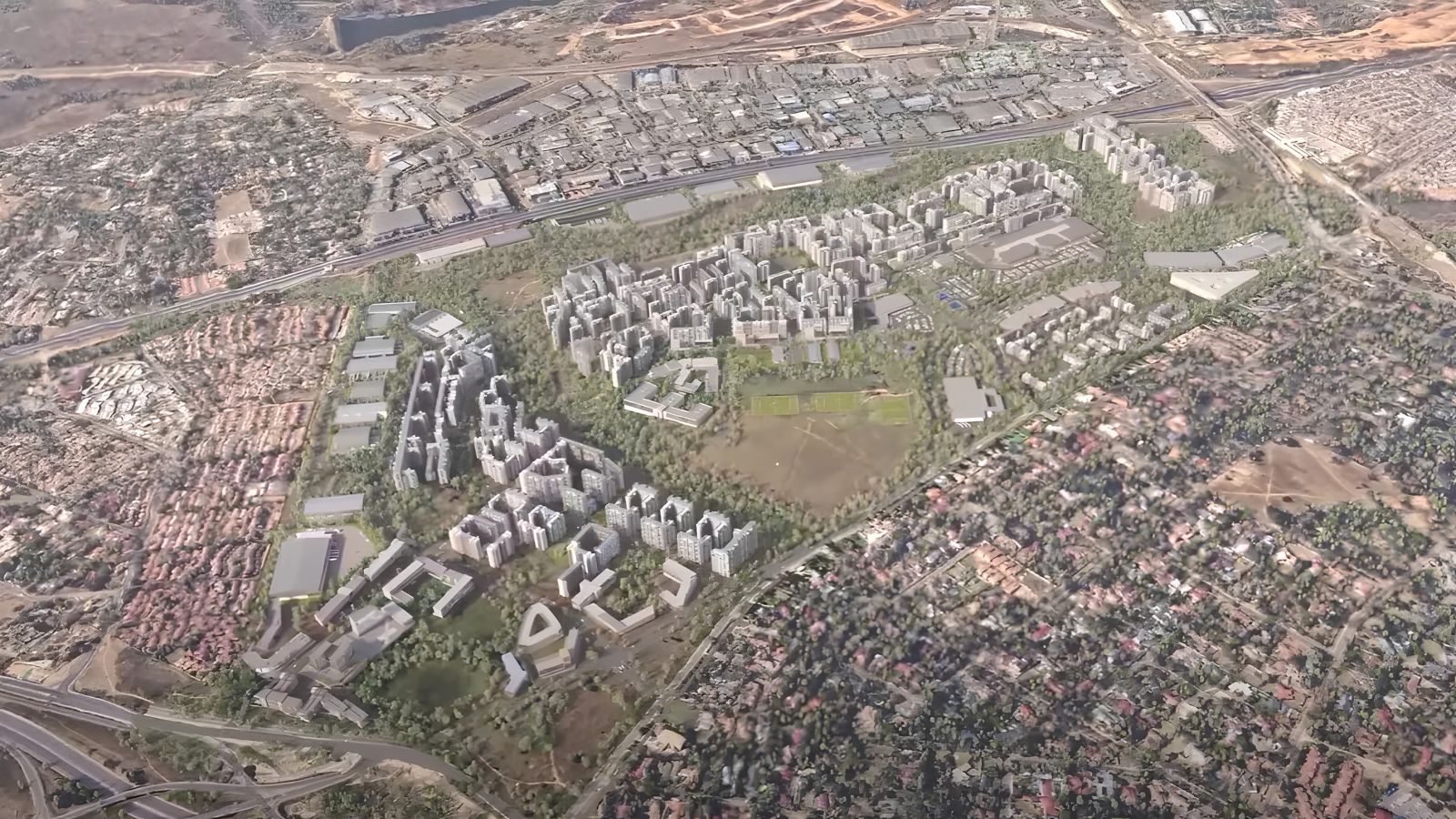
According to Calgro, close to a third of the 300-hectare site will be used for infrastructure required to support the development.
Malherbe said large-scale residential projects in South Africa require extensive upfront spending before any homes can be built.
“The reality is, if you develop these projects at scale in South Africa, we’ve got to create the bulk infrastructure. There is no sufficient bulk infrastructure available in all the areas we would like to develop,” he said.
The first phase alone requires around R280 million in road infrastructure to unlock the initial 6,000 residential opportunities.
“For us to start the construction of the first unit, we broke the project up into phases, and the first phase needs an investment of about R280 million in roads that will allow us to unlock the first 6,000 opportunities,” Malherbe said.
“We’re currently busy installing roads and bridges over the Jukskei just to make the project developable.”
He added that infrastructure such as reservoirs, substations, sewerage systems and roads are essential before large housing developments can proceed.
“You can’t develop a site if there’s not a reservoir, if there’s not roads going into it, if there’s no electrical substation,” he said.
Malherbe said the scale of Bankenveld would surpass Calgro’s Fleurhof project in Gauteng, which is expected to deliver around 16,000 housing opportunities once complete. “Now this project will yield a minimum of 20,000, so it’s a bigger project,” he said.
The first 6,000 opportunities are expected to target different income groups through an integrated development model located near transport infrastructure and employment hubs, including Linbro Park, Sandton and Waterfall City.
Despite economic pressures and geopolitical uncertainty, Malherbe said the company remained focused on long-term housing demand rather than short-term financial performance.
“We’re in a fortunate position where we’re spending money on infrastructure with a long-term view, and property is a long-term game,” Malherbe said.
Bankenveld District City – Renders
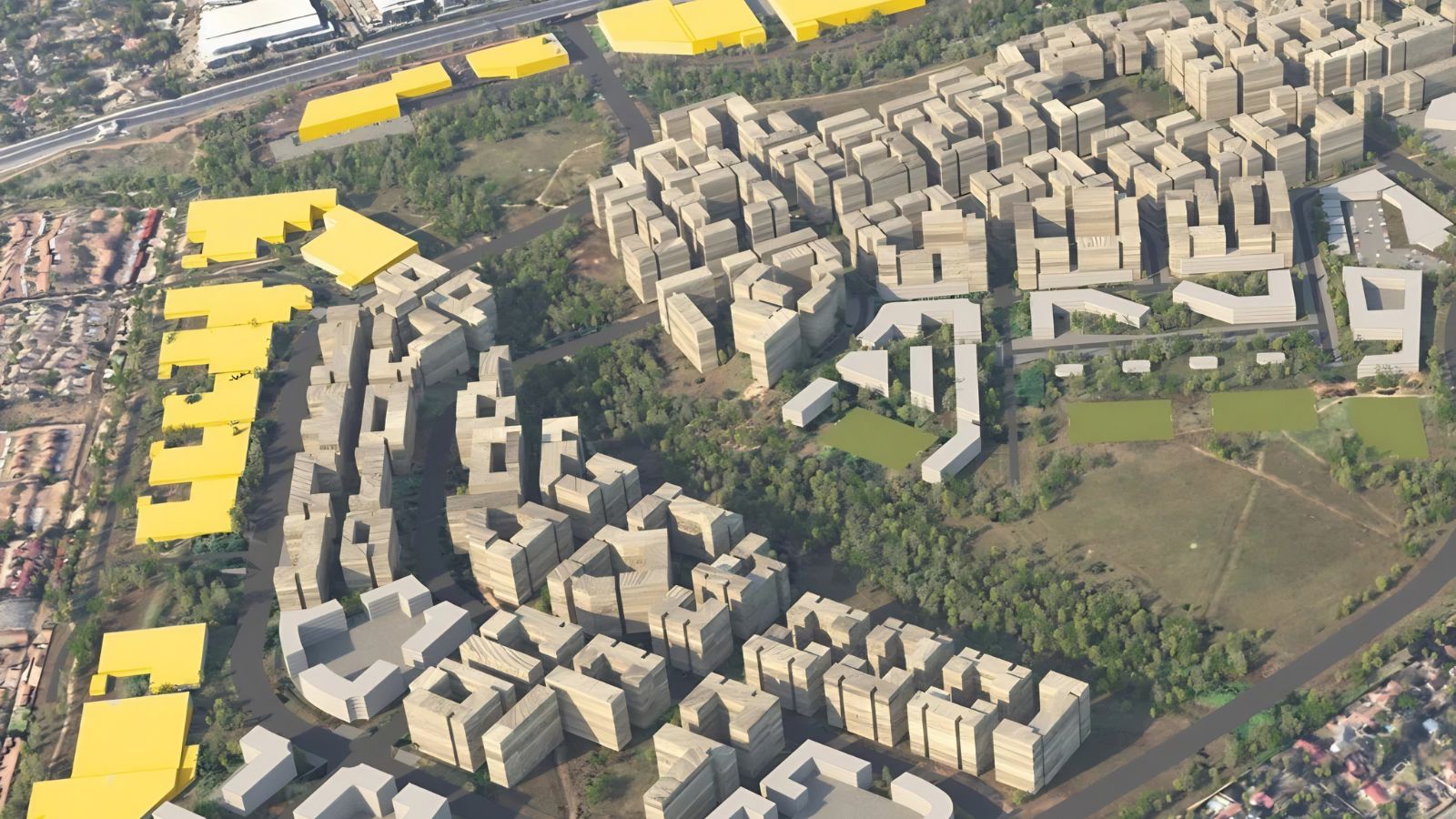
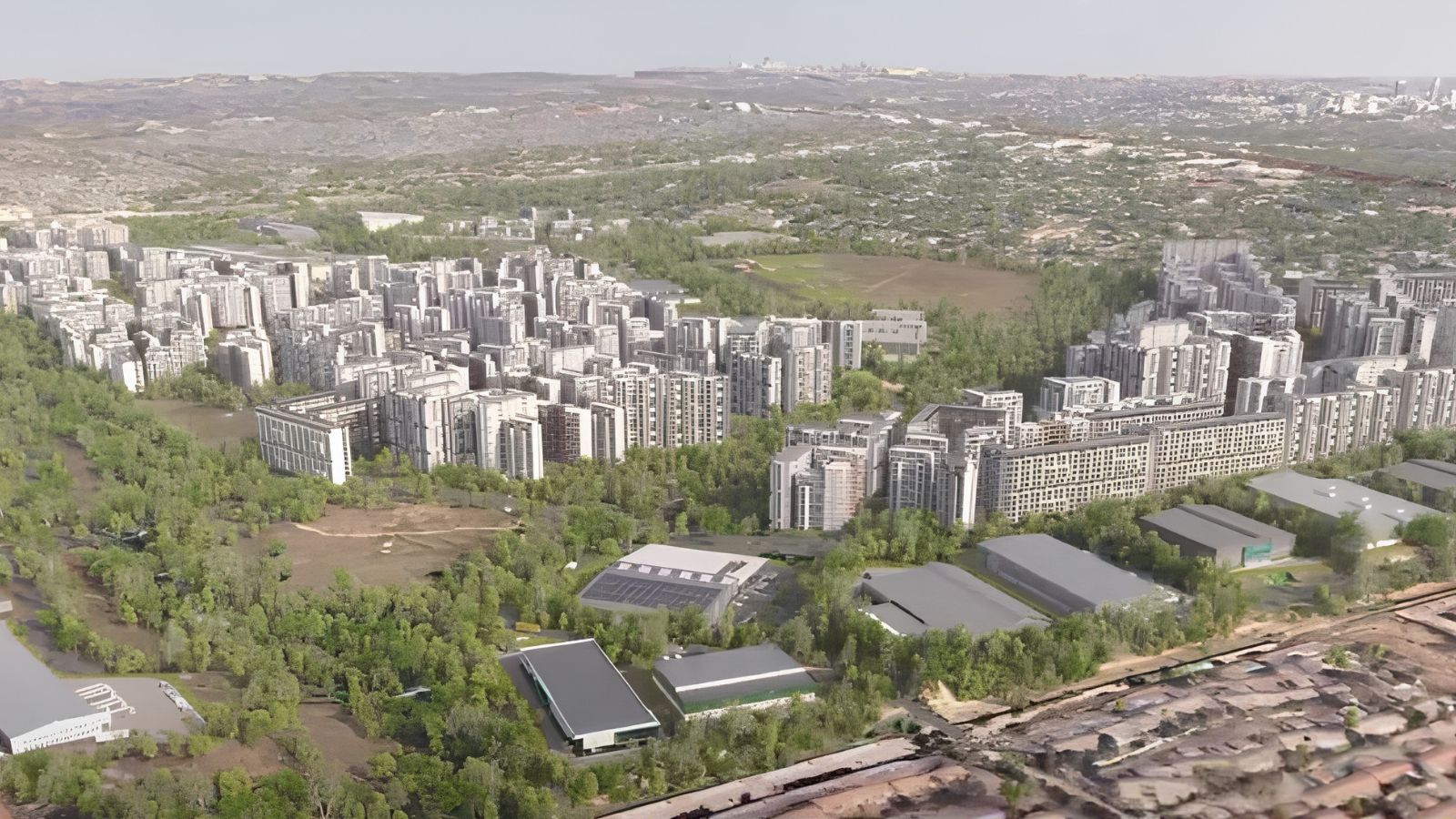
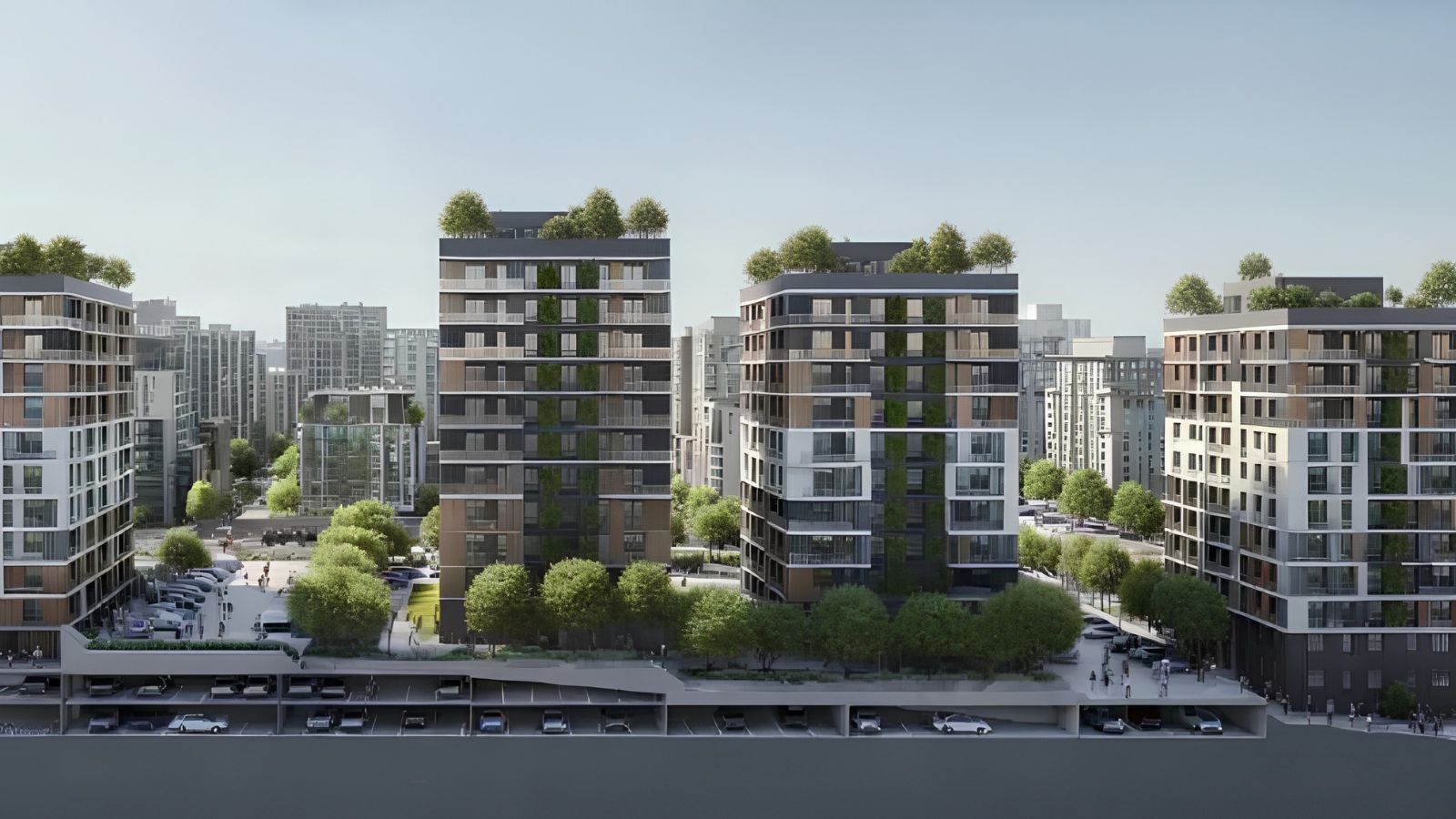

Bankenveld’s construction – Photos


















 Loading ...