

SARS warning for rich South Africans leaving the country, and Cape Town is slowly kissing Eskom goodbye


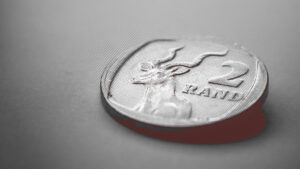
The rand dropped over 1% in early trading on Thursday following US President Donald Trump’s announcement of intensified military actions against Iran, which unsettled investors who had anticipated a swift resolution to the conflict.
The rand was valued at 17.0250 against the dollar, reflecting a 1.3% decline compared to the previous closing price.
In his prime-time address on Wednesday night, Trump indicated that the United States would be undertaking aggressive strikes on Iran in the upcoming two to three weeks, claiming that the “main strategic objectives” in the conflict were nearing completion.
This development led to an increase in both the US dollar and oil prices, reducing demand for emerging market currencies and raising inflation concerns in energy-importing nations like South Africa.
The rand has been influenced by global market sentiments since the onset of the war between the US, Israel, and Iran, which began in late February.
Analysts suggest that while the rand experienced a strong performance in 2025 and entered 2026 on a positive note, it has become susceptible to a correction.
Meanwhile, South Africa’s benchmark 2035 government bond remained stable in early transactions, with a yield of 8.885%.
As of Monday, 6 April, the rand is trading at R16.93 to the dollar, R22.38 to the pound, and R19.51 to the euro. Gold is currently valued at $4,663.15 per ounce, while oil prices have risen to $110 per barrel.
5 important things happening in South Africa today
SARS warning for wealthy taxpayers leaving the country: High-net-worth South Africans who leave the country without formally ending their tax residency risk being taxed on their worldwide income, as increased global data sharing makes “silent exits” costly. [DailyInvestor]
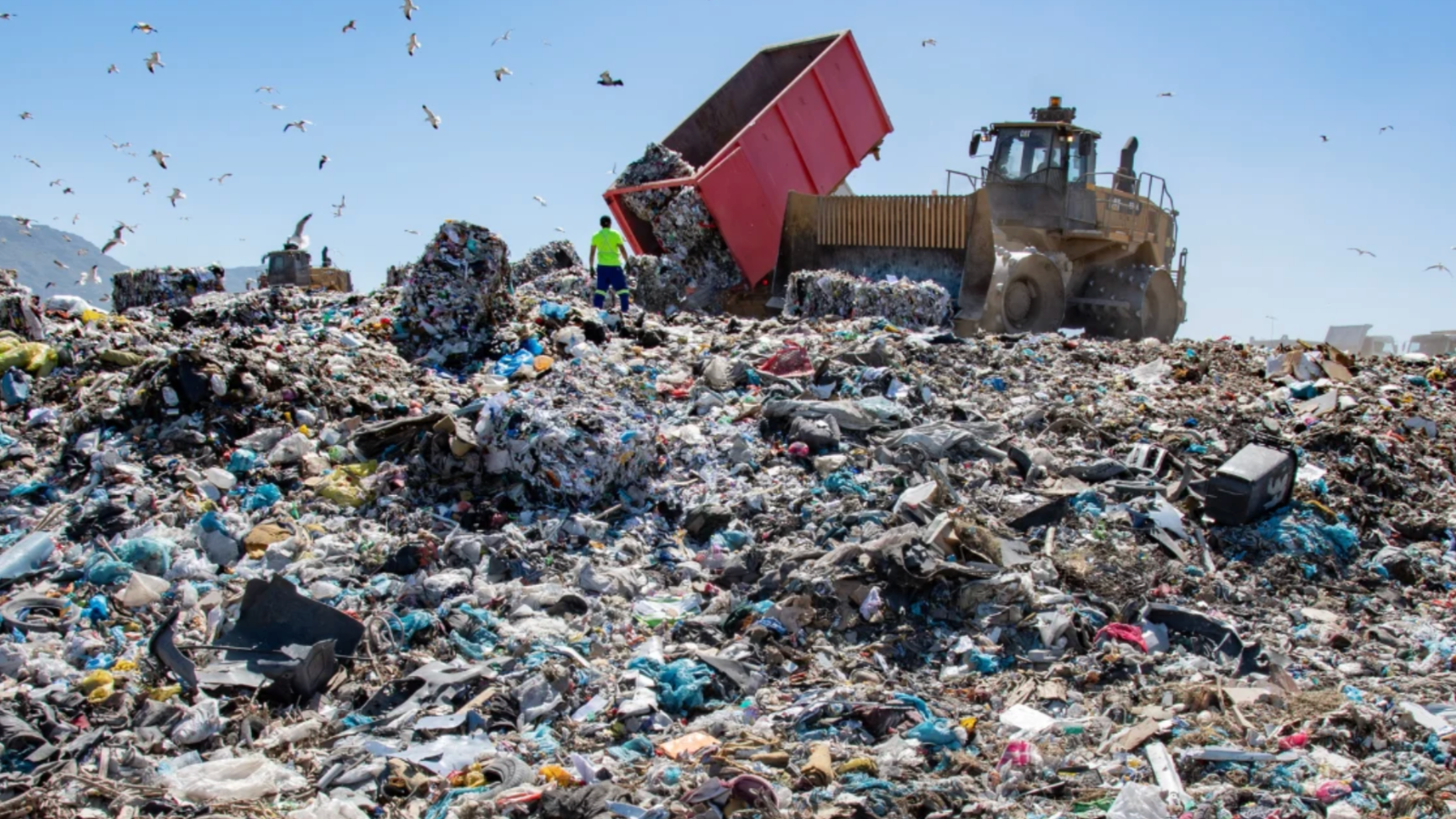
Cape Town slowly kissing Eskom goodbye: The City of Cape Town is working to reduce its dependence on Eskom and manage rising electricity costs by launching a waste-to-energy project. This will involve a competitive Power Purchase Agreement model with contracts lasting up to 20 years. [EWN]
Government owes nearly R800 million to Joburg City Power: Officials from the City of Johannesburg started disconnecting electricity to government departments last week because of unpaid bills. Recent figures indicate that City Power is owed nearly R754 million. Similarly, Johannesburg Water is facing a comparable situation, with government departments owing the city over R600 million. [TimesLive]
Big changes for Multichoice owner: Canal+ is working to increase sales, safeguard local content, and restructure MultiChoice’s workforce. The company aims to expand sales points and marketing efforts. In March 2026, the group unveiled a plan to invest up to €100 million (R1.9 billion) to help MultiChoice recover and achieve sustainable growth [MyBroadband]
Bad news for electricity users: South African households now spend 85% more on electricity than six years ago, according to the Competition Commission’s latest cost of living report. It highlights the rise in prices for essential goods and services since 2020, noting that electricity costs surged following Eskom’s tariff increases in July 2025. [MyBroadband]











 Loading ...