

End of an era for iconic 138-year-old company in South Africa, and warning over fake traffic fines


Markets face a week of pressure ahead, after the United States and Iran failed to reach an agreement after marathon talks in Pakistan this weekend.
This has raised doubts about whether they can find a lasting resolution to a six-week war that has killed thousands and disrupted energy supplies across the globe.
US Vice President JD Vance said negotiators will return to the States without a deal after Iran failed to give a commitment it would not seek a nuclear weapon.
Iranian media said the US made “excessive” demands, although a spokesman for Iran’s Foreign Ministry appeared to leave the door open for more discussions.
“We’ve made very clear what our red lines are, what things we’re willing to accommodate them on, and what things we’re not willing to accommodate them on,” Vance told reporters early Sunday in Islamabad.
“And we’ve made that as clear as we possibly could, and they have chosen not to accept our terms.”
It wasn’t immediately clear what the breakdown in talks meant for the fragile two-week ceasefire clinched last week.
US President Donald Trump hasn’t yet commented on the talks since they ended, although he posted a story about a naval blockade on his social media.
Failure to reach a deal after the marathon talks will likely jolt oil and gas markets on Monday, although there were indications of an uptick in traffic through the strait on the weekend.
The conflict has roiled the world economy and upended global energy supplies.
“Hope had been cautiously rising last week, but this could set us back to levels that we were trading at prior to the ceasefire announcement,” said Nick Twidale, chief market analyst at AT Global Markets in Sydney.
“I would think we will see oil open higher alongside the dollar.”
For local markets, this could mean another swing into risk-off sentiment, pushing the rand weaker.
Iran’s virtual closure of the Strait of Hormuz — a crucial waterway for about a fifth of global oil flows — and the continued fighting between Israel and Hezbollah in Lebanon had been two key contentions in the talks.
The US had sought concessions they couldn’t obtain in the war, including around the Strait of Hormuz and the removal of nuclear materials, Iran’s semi-official Tasnim news agency said.
By Eric Martin, Catherine Lucey and Patrick Sykes for Bloomberg News, additional reporting by BusinessTech.
Five important things happening in South Africa today

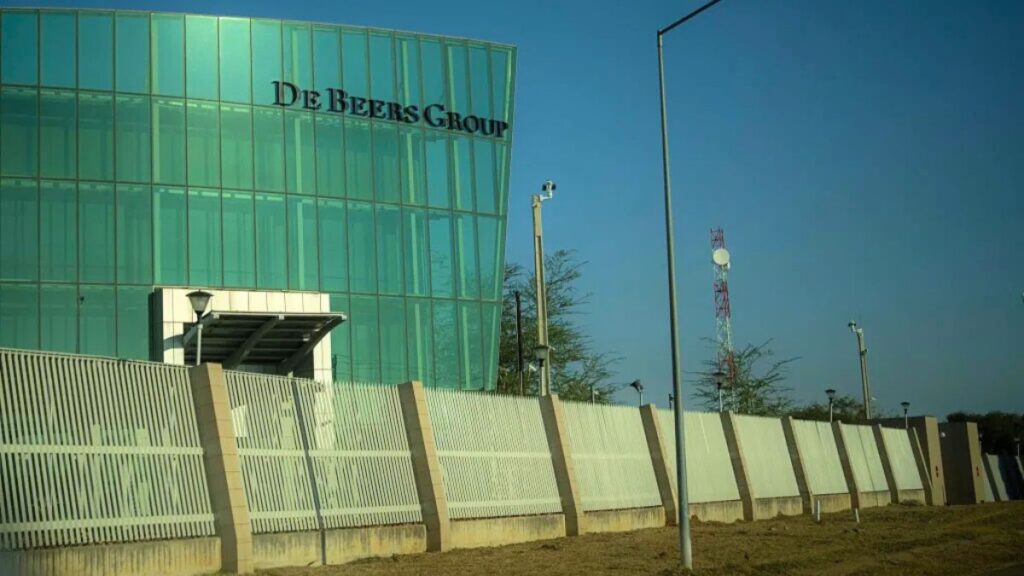
South African icon changing hands: Botswana is holding to its ambition of buying a controlling stake in De Beers from Anglo American, potentially dampening interest from some private investors looking to acquire the diamond giant. Anglo has set an April 16 deadline for bids as the London-listed miner pushes ahead with its exit from the business. [Daily Investor]
Fake fines: The Road Traffic Infringement Agency (RTIA) has warned South African motorists about fraudulent traffic fine notices that threaten to block them from renewing driving licences and licence discs. The agency urged motorists who receive such notices to ignore them, not share any personal information, and not pay the fines. [MyBroadband]
Forced shutdown: Polokwane silicon metal smelter, the only one of its kind in South Africa, could be forced to shut down due to unsustainable power costs. The smelter is operated under Silicon Smelters, a subsidiary of Ferroglobe, which has operated various plants in South Africa for 100 years. [BusinessTech]
Change of heart: The Democratic Alliance has reportedly made a ‘mindset shift’, looking to work more collaboratively as part of the Government of National Unity, as opposed to its previous combative stance, particularly towards the ANC. It marks a move away from being a party of opposition to one of government. [Sunday Times]
New mafia in SA: Criminal mafia groups are increasingly targeting schools in the Western Cape, threatening staff and demanding protection fees from the schools and even parents. There has been a spike in reports of schools in Cape Town being targeted by extortion mafias, forcing schools to pay protection money to ensure they don’t fall victim to vandalism and other crimes. [BusinessTech]










 Loading ...