

Two things that can boost your chances of hearing back for a job application



The World Bank has published a set of new studies which show that better job search planning and including a reference letter from former employers, significantly increases responses from potential employers in South Africa.
The World Bank’s Africa Gender Innovation Lab and Jobs Group, in collaboration with researchers from Middlebury College, Stellenbosch University and University of Cape Town, conducted several experiments investigating the roles of skills certificates, referral letters, and providing better information about workers in the labor market.
“These low-cost solutions can be easily implemented within existing employment services to improve the likelihood of youth job seekers finding employment,” the researchers said.
Having a plan
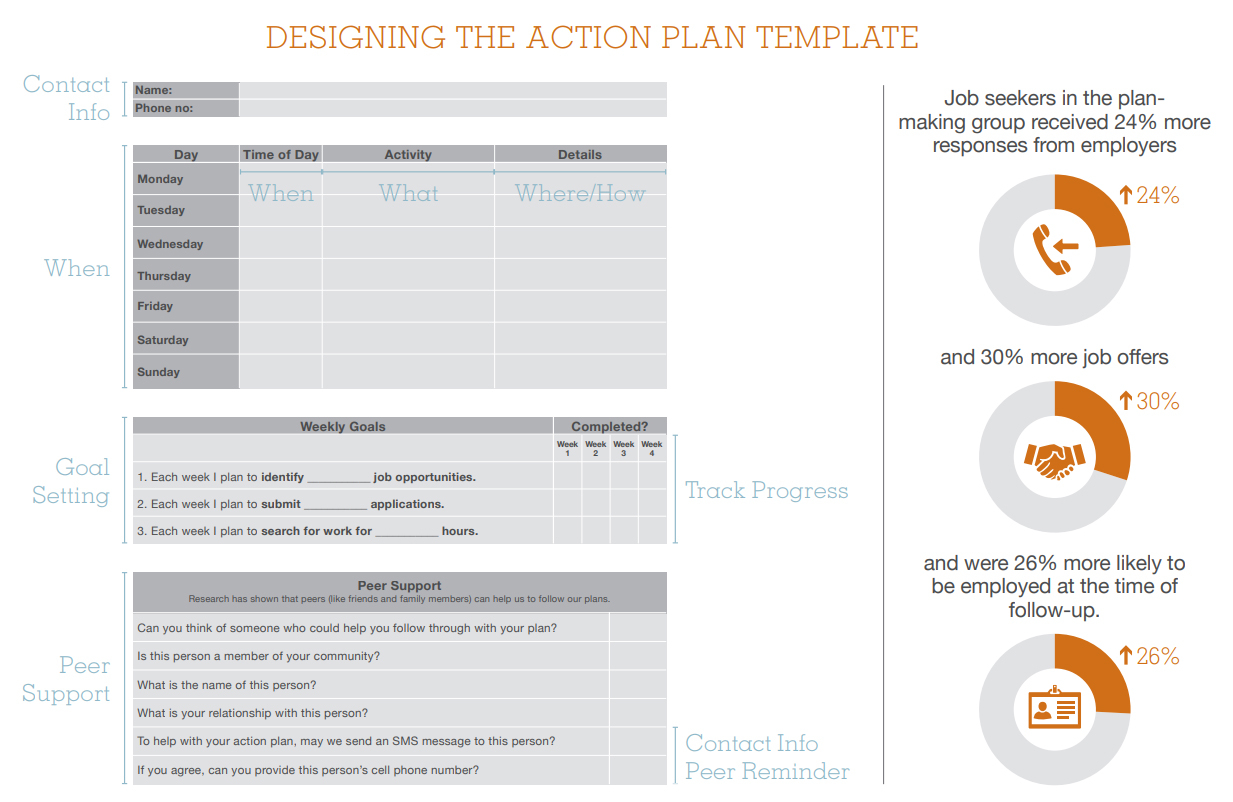
One experiment involved the design and testing of an action-planning tool to promote greater job search intensity.
The tool layered on top of a 90-minute career-counseling workshop offered by the government of South Africa helped unemployed youth follow through on their job search intentions and adopt a more efficient and effective search strategy.
Improved search strategy led to job seekers receiving 24% more responses from employers and 30% more job offers. Five to 12 weeks after the workshop and action planning, these job seekers were 26% more likely to be employed.
“Searching for a job is a self-regulated process. You decide how much time you are going to spend looking and how many applications you are going to submit each week,” said researcher Rachel Coleman.
“Sometimes you follow through on these intentions but other times you don’t. Given that many young people are not enrolled in education, employed, or searching for work it is particularly important to understand how to optimize the job search process.”
You can find more details on the plan here.
A reference letter
A second experiment, tested the impact of reference letters from former employers. Including a reference letter in a job application increased the likelihood of getting a response to an application (by 60%).
Additionally, providing information to job seekers on the value of reference letters in the job search process increased the share of people who obtained one by 67%.
“Interestingly, reference letters may be even more important for women job seekers. Women with better reference letters were more likely to receive responses from employers and interview requests (the same was not true for men),” the World Bank said.
“Women who received reference letter templates were approximately 50% more likely to be employed with employment rates doubled for those who used the letters.”
Read: New qualifications register to target South Africans that lie on their CVs


















 Loading ...