

5 important things happening in South Africa today
·2 Nov 2021


Here’s what is happening in and affecting South Africa today:
Coronavirus: In South Africa, there have been 106 new cases of Covid-19, taking the total reported to 2,922,222. Deaths have reached 89,179 (+2), while recoveries have climbed to 2,814,411, leaving the country with a balance of 18,632 active cases. The total number of vaccines administered is 22,447,410 (+65,459).
- Election results: As early vote counting begins, you can follow the results as they come in using News24’s election map. Early predictions are that the Democratic Alliance will maintain its control of the City of Cape Town, although with a reduced majority. Low voter turnout has apparently burned the ANC in key areas, while startups like Action SA are expected to have made inroads, especially in Gauteng. Analysts say that the elections may turn out to be quite unpredictable, with eyes on all major metros where some shock results may arise. [News24]
- Voters: Early indications are that South Africa had a record low voter turnout for the elections on Monday, with evening figures pointing to around only 30% of registered voters actually turning up to cast their ballot. The Independent Electoral Commission has not yet given final figures, and many voting stations had queues of people lining up to vote long after the 21h00 deadline. The IEC said it was too early to put a figure on it or run comparisons to prior elections. The 2016 municipal elections saw 57% of registered voters turn up nationally. [Daily Maverick]
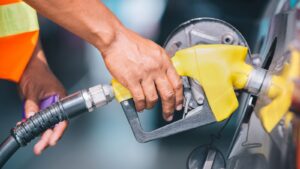
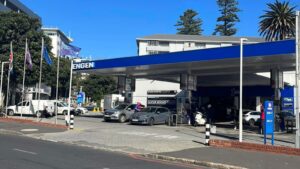
- Petrol price: South African motorists will be hit with record-high fuel prices from Wednesday, with petrol prices increasing R1.21 and diesel prices shooting up R1.48. This puts the inland petrol price over R19.50, pushing towards the R20.00 mark. Economists and analysts have warned that the petrol price will push over R20 by the end of the year. The increase is due to rising global oil prices, which have soared this year as economies recover from the pandemic. The weaker rand has also made it more expensive to import petroleum products – and adjustments to the slate levy have also added to the pain. [BusinessTech]
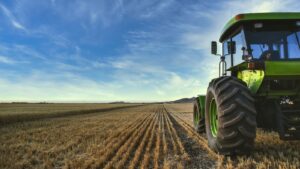
- Surcharge: Municipalities hope that South Africa’s courts side with them and allow them to add a surcharge to bills for customers who buy their electricity directly from Eskom. This could see a sharp spike in electricity customers in townships and rural areas, impacting key industries like mining companies and farmers. Historically, municipalities only distributed power within their borders, which did not include these areas. However, when wall-to-wall municipal borders were introduced, the adjustments for electricity were not made. As a result, people within the same municipality now pay different rates. [Moneyweb]
- Markets: The public holiday set aside for municipal elections in South Africa created a rand sell-off against the dollar. Political uncertainty, as well as lingering power issues, continue to weigh. South African-linked export commodities also created a mixed bag, with metals putting pressure on the currency. Both precious- and base-metal prices fell on global concerns over debt problems in China’s property sector. Analysts are looking ahead to the MTBPS on Thursday, 11 November. On Tuesday, the rand was trading at R15.45/$, R17.93/€ and R21.10/£.










 Loading ...