

The financial advisers’ guide to effortlessly managing revenue in 2023



Adopting a revenue structure that is both financially viable for your business and fair to your clients, can make or break your business.
And, with the possibility of a global recession looming in the 2023 financial climate, it’s crucial to understand your financial position and the potential resistance you may face from clients.
In the past couple of years, we have seen a remarkable shift towards operational efficiency in the Independent Financial Advisory industry.
However, the role of properly utilized revenue management software in helping make operational and strategic decisions, is often still underestimated.
What is a reasonable revenue structure for an IFA?
What you decide to charge will depend on the scope of financial services you offer and the fee structure you use for your practice.
The following are structures that financial advisors typically use todetermine their fees and comply with regulations.
Flat Fee:
This approach involves charging a predetermined fixed fee for specific services or a comprehensive financial plan. The fee can be based on the complexity of the client’s financial situation, the time required to complete the work, or the value provided to the client.
Time-Based Fee:
Some advisors charge an hourly rate or a fee based on the time spent on a particular service. They track and bill their clients for the hours worked on financial planning, investment management, or other services.
Commission-Based:
Advisors may earn commissions by selling financial products such as insurance policies or investment products. It’s important to comply with regulations set by the relevant financial regulatory authority, such as the FSCA in South Africa, to ensure transparency and fair practices.
Fee and Commission Combination:
Some advisors use a hybrid model, charging both a flat fee for financial planning services and earning commissions from the sale of products or investments. It’s crucial to disclose these fees and commissions to clients and ensure they align with regulatory requirements.
When determining fees, financial advisors consider factors such as their expertise, experience, the complexity of the client’s financial situation, local market conditions, and the value they provide to clients.
What are typical commission and fee management issues?
Whichever method or structure you choose, simply keeping track of multiple streams of incoming revenue can be challenging and time consuming. Especially when you rely on individuals to record revenue on a crafty spreadsheet.
You might receive data from multiple sources, and without any regulatory body governing the standards in which service providers must provide revenue data to IFA’s, it becomes a daunting task to consistently categorize the details you need to properly analyze your revenue.
During this incredibly tedious process, important details are often missed and the consequence could be severely detrimental to the financial health of your business. Similarly, the relationship with your advisers and referring parties, can take strain due to inconsistencies that could easily have been avoided.
If this is your experience, consider using commission management software to help you track incoming commissions.
What to look for in commission management software
Commission management software can be a valuable asset to help you track and manage your commission streams effectively. However, it should do more than show you the ins and outs of your revenue flow.
Here are a few key features to look for when selecting commission management software.
1. Cloud-based capabilities
Cloud-based capabilities are essential, as you might work from home, have flexible hours, travel frequently, or have an online advisory practice.
Therefore, ensure the software you choose offers cloud-based capabilities to enable you to access your software from anywhere.
2. Automatic data ingestion and classification
The software should automate the process of adding client and commission data from connected data sources.
Software worth its weight should pull all necessary information and integrate from connected data sources like a dedicated client inbox or a secure web interface.
3. Reporting
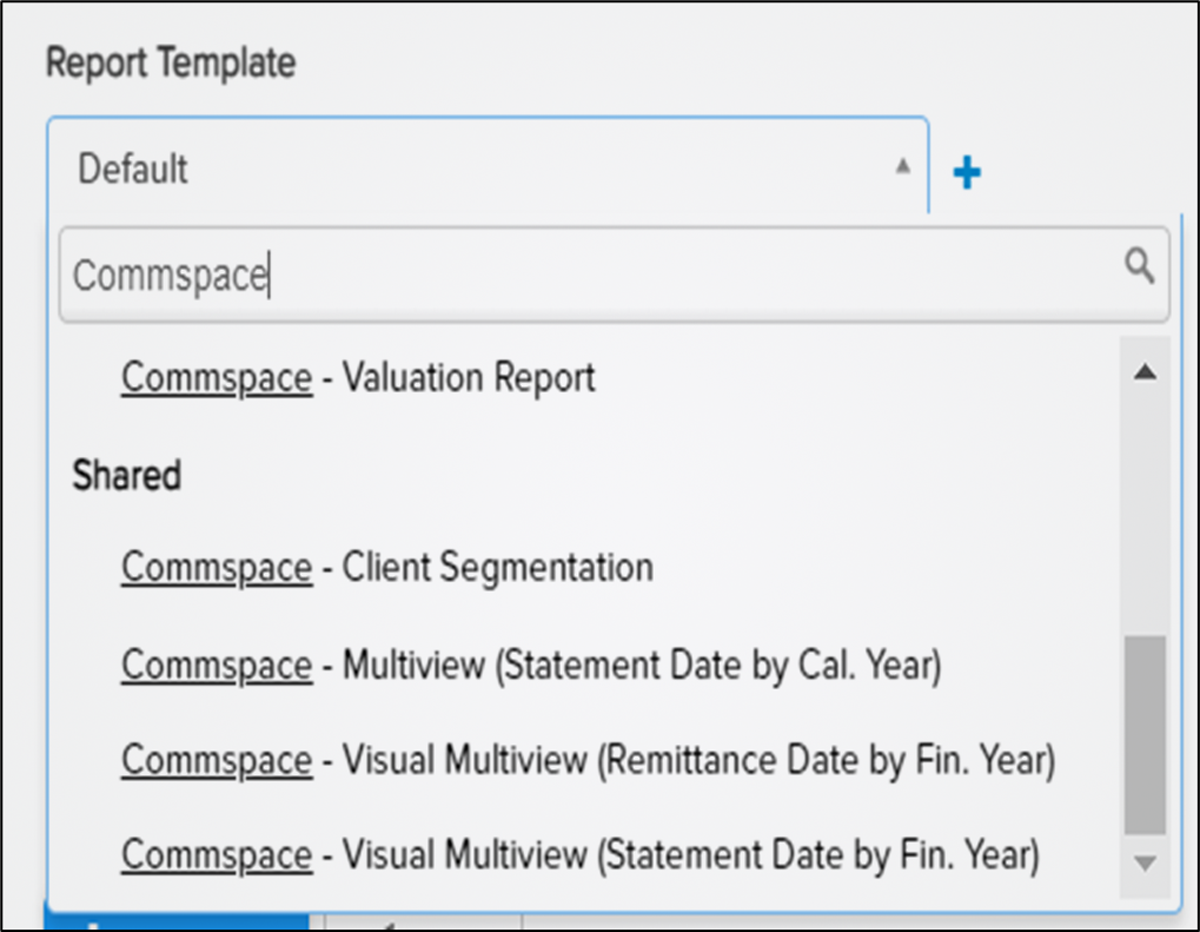
Your revenue software should assist you with all of your reporting needs – from pre-defined reports to customised reporting, as well as ready-to-use report templates.
4. Revenue analytics
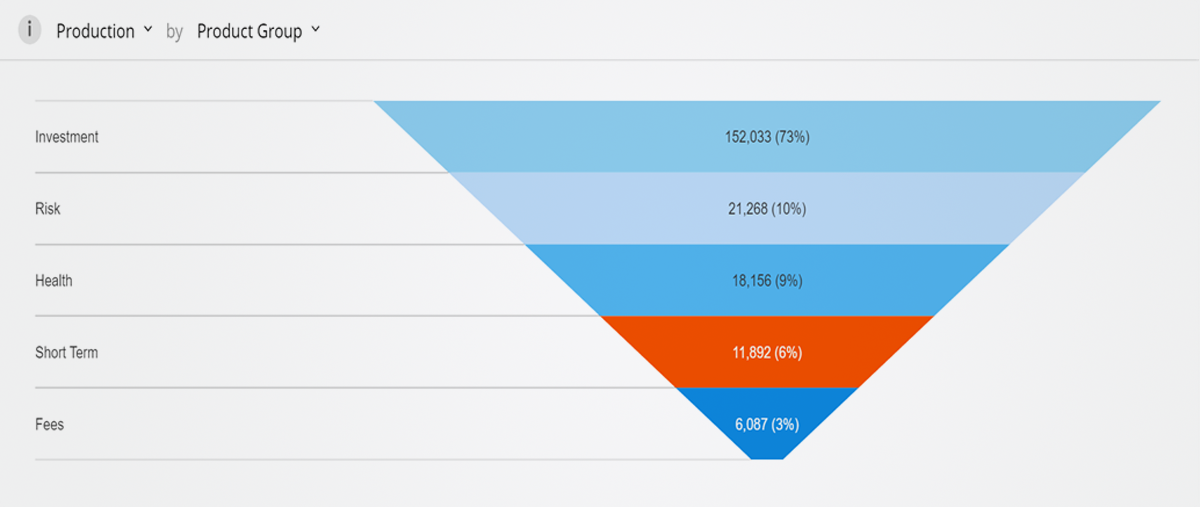
It’s not enough to have greater end-to-end visibility of your revenue streams. As an IFA, growth and revenue maximisation are your biggest concerns.
Your software should provide data to help you assess revenue trends, identify unusual spikes, and gain insight to help you develop actionable strategies.
Manage your commission beautifully
Commspace is the leading South African commission management software.
Its solution offers all the features mentioned above and more, making it a seamless, automated process to manage multiple client accounts and revenue streams.
Deciding how you will structure your commission and fees will depend on your preferences and the type of service you want to offer your clients. But when it comes to managing your commissions, partnering with the best in the industry is crucial.


















 Loading ...