

Plan to force streaming platforms to show more local content, and the mafia thriving in South Africa


The South African rand was slightly stronger on Tuesday after the second-largest party in the coalition government announced its support for the last major piece of budget legislation.
The Democratic Alliance (DA) stated that it would back the Appropriation Bill in parliament on Wednesday, following President Cyril Ramaphosa’s decision to fire a minister accused of misconduct, which was one of the DA’s demands.
As a result, the rand was trading at 17.61 against the dollar, reflecting a 0.1% increase from Monday’s closing level.
Some investors have become more optimistic about South African government debt after the minister’s removal, which they believe has paved the way for a reduction in political tensions.
On Wednesday, 23 July, the rand was trading at R17.54 to the dollar, R23.73 to the pound and R20.59 to the euro. Oil was trading slightly lower at $68.81 a barrel.
Here are five other important things happening in and affecting South Africa today:
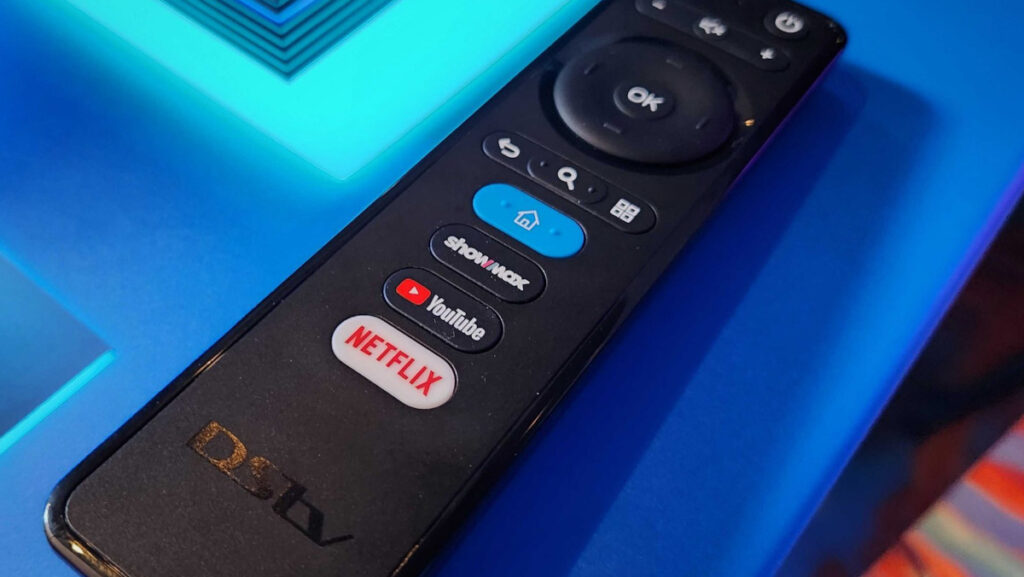
Plan for more local content: A draft White Paper suggests that the government is considering extending the minimum amount of local content obligations to on-demand services, potentially affecting companies like Netflix, Disney+, and Amazon. [News24]
Mafia group that’s thriving: Water tanker mafias are causing significant problems across South Africa as major cities grapple with water shortages. Experts at the South African Human Rights Commission (SAHRC) argue that this sabotage should be prosecuted under terrorism laws. [BusinessTech]
JSE considers 24-hour trading: The JSE, with a quarter of its listings being dual listings, is monitoring global events that have led the world’s largest stock exchange to consider 24-hour trading hours, with the local bourse likely to follow suit. [Business Day]
Double tax warning in major city: The City of Tshwane (CoT) has incorrectly imposed a contentious “Waste Management” levy for private waste collection on numerous households that only make use of the metro’s services. [Mybroadband]
R5.3 billion blow to South Africa: Telecommunications fraud is costing South Africa approximately R5.3 billion each year, according to the Communication Risk Information Centre (COMRiC). This includes SIM swap fraud, subscription fraud, identity theft, ransomware attacks, and sabotage of infrastructure. [Primedia Plus]
















 Loading ...