

The mafia taking over one of South Africa’s provinces


The Water and Sanitation Minister has noted that water mafias have exploded in the North West province, stopping multimillion rand contracts and demanding what they want when they want across several municipalities.
For years, the country has battled drought, infrastructure collapse, governance failures, and the pressures of climate change.
However, while these factors have steadily eroded water security, criminals have stepped in to exploit the gaps, turning emergency tanker supply schemes into lucrative rackets.
What began as short-term relief measures in water-stressed communities has now become a deeply entrenched system of extortion and sabotage.
According to Water and Sanitation Minister Pemmy Majodina, these mafias have become a force across municipalities, intimidating contractors, halting projects, and demanding payments to allow work to continue.
“Water mafias in the North West are beyond count,” she said, warning that the criminal interference has grown so bold that it now threatens essential services in entire regions.
She explained that the syndicates secure contracts through bribery and intimidation, vandalise infrastructure to prolong contracts, illegally charge residents for access, and even contaminate supplies to ensure future tenders.
Communities now remain without clean water despite millions of rands in taxpayer funds being spent on incomplete projects.
Majodina highlighted one case where a water treatment plant initially budgeted at R13 million now requires R24 million to finish because of delays and inflated costs.
“There are projects that are incomplete… we have intervened and reclaimed those funds,” she said, adding that implementing agents are being dispatched to finish stalled infrastructure.
The water department has previously warned that nearly R90 billion a year will be required for the next decade to upgrade and expand infrastructure so that the country can meet its needs by 2030.
That level of investment has not materialised, leaving space for criminals to step in where the state is failing.
Act of terrorism
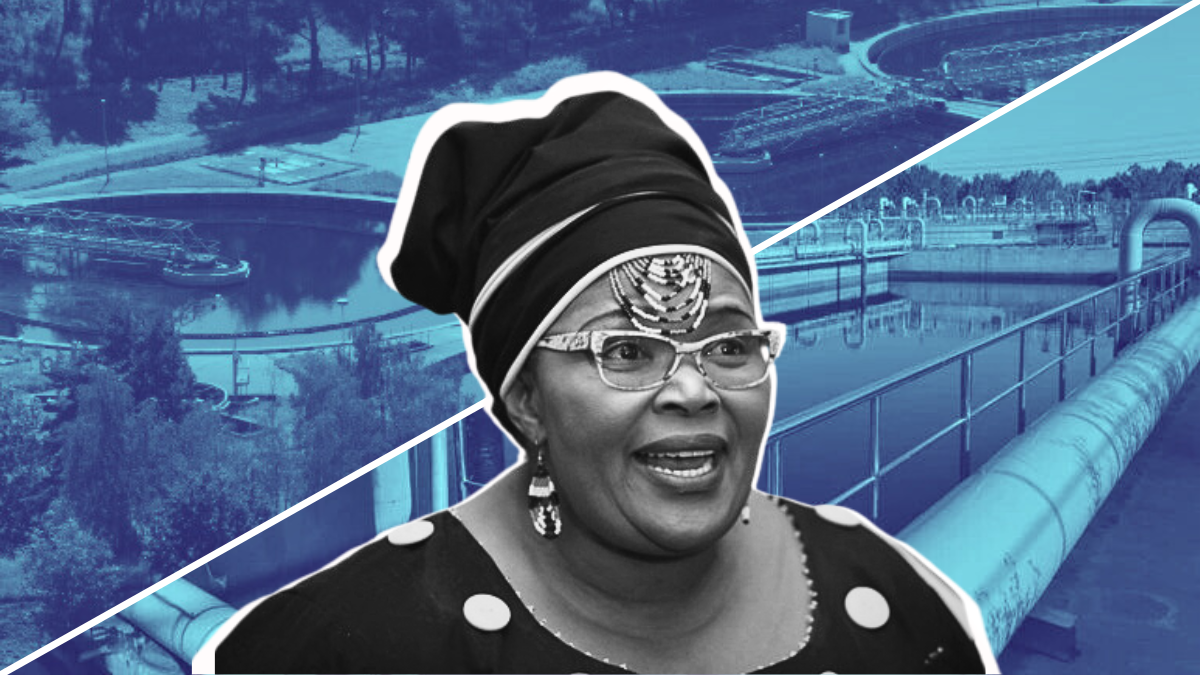
The ministry is now scrambling to find alternatives. Majodina said groundwater solutions, such as borehole drilling, are being rolled out in water-stressed areas to provide emergency relief.
However, experts warn that this piecemeal approach is insufficient to address the scale of the crisis, especially when criminal syndicates are actively sabotaging delivery systems.
The South African Human Rights Commission (SAHRC) is arguing that the actions of water mafias amount to terrorism.
Dr Henk Boshoff and Peacemore Mhodi of the SAHRC said the deliberate sabotage of infrastructure should be prosecuted under the Protection of Constitutional Democracy Against Terrorist and Related Activities Act.
The law defines terrorist activity to include acts that cause “serious interference with or disruption of essential services,” which they argue is exactly what the mafias are doing.
“Access to sufficient water is recognised as a fundamental human right in South Africa. This right is justiciable, meaning it can be vindicated in a court of law,” they said.
They added that South Africa’s ranking among the world’s 25 most water-stressed countries means this criminal interference is not just an attack on infrastructure, but on the survival of communities themselves.
The SAHRC, in partnership with the University of the Witwatersrand, is currently running the South Africa Water Justice Tracker Project to identify systemic barriers that prevent local water service authorities from meeting their constitutional obligations.
So far, interviews with officials nationwide confirm that water mafias are not confined to one province but have spread nationally.
The Democratic Alliance (DA) has said that the party supports firm action against water mafias but stressed that the real solution lies in “properly investigating and prosecuting syndicates.”
According to the DA, police must build watertight cases, trace criminal networks, and secure convictions, while courts can only be effective if backed by strong arrests.
The DA also called for securing infrastructure, insisting that pump stations, reservoirs and major pipelines need proper protection.
Municipalities should also ring-fence budgets for maintenance, repair leaks quickly, and replace ageing infrastructure, as blaming sabotage cannot excuse neglect.
The DA further warned that water tanker contracts have become a feeding ground for mafias, urging audits, GPS tracking, and tighter controls.
It added that communities must also be empowered with clear, local channels to report crime backed by visible action.
















 Loading ...