

Serious trouble for private schools in South Africa


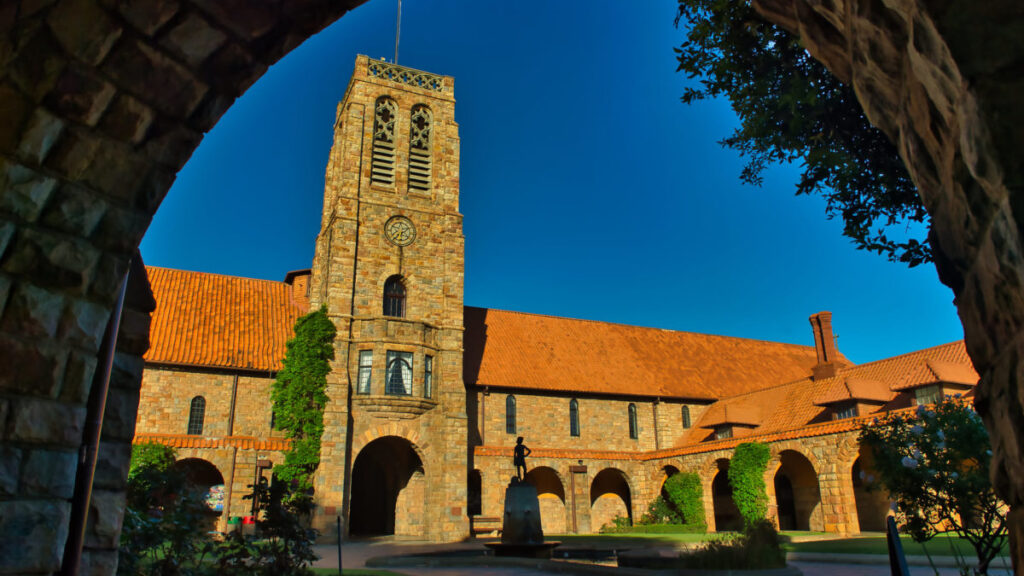
Private schools in South Africa that are registered for VAT will be forced to deregister and start paying back money from previous VAT claims to SARS from January 2027.
This is because of a key tax change proposed in the 2025 tax laws that seeks to reverse “erroneous” VAT claims by schools that were never intended to be possible.
Many schools currently reclaim VAT on expenses and commercial activities.
While schools primarily run educational activities which are exempt from VAT, those with the means often rent out sports fields or halls, run tuckshops, or provide accommodation to supplement their income.
When the value of these activities exceeds R1 million, schools must register for VAT. Because of this, the schools are entitled to claim a portion of their expenses as VAT input credits.
However, new amendments will change that by forcing schools to deregister. When the rules change, these schools will no longer be able to claim VAT and will be left carrying the costs themselves, while also on the hook for past claims made.
According to the National Treasury, all VAT-registered schools will be required to deregister for VAT and start paying SARS back by 1 January 2027.
School bodies and representative groups have warned that this will add immense financial strain on these schools and may lead to even higher fees.
This, in turn, will push the burden onto families—many of whom are already pushed to the limit to keep their children in independent education.
Treasury noted that concerns have already been raised by privately funded schools about the change.
Some of these schools even operate on a not-for-profit basis and set up schools in areas where the Department of Basic Education have been unable to do so due to funding issues.
Despite this, “due to past incorrect advice, these schools claimed input tax that was not allowed in terms of the provisions of the VAT Act,” it said.
“These, on deregistration, will be required to be paid back to SARS.”
The finance department rejected proposals and recommendations that the changes be withdrawn for further engagement with the industry regardingthe practical implementation of the proposal.
Some relief could be coming
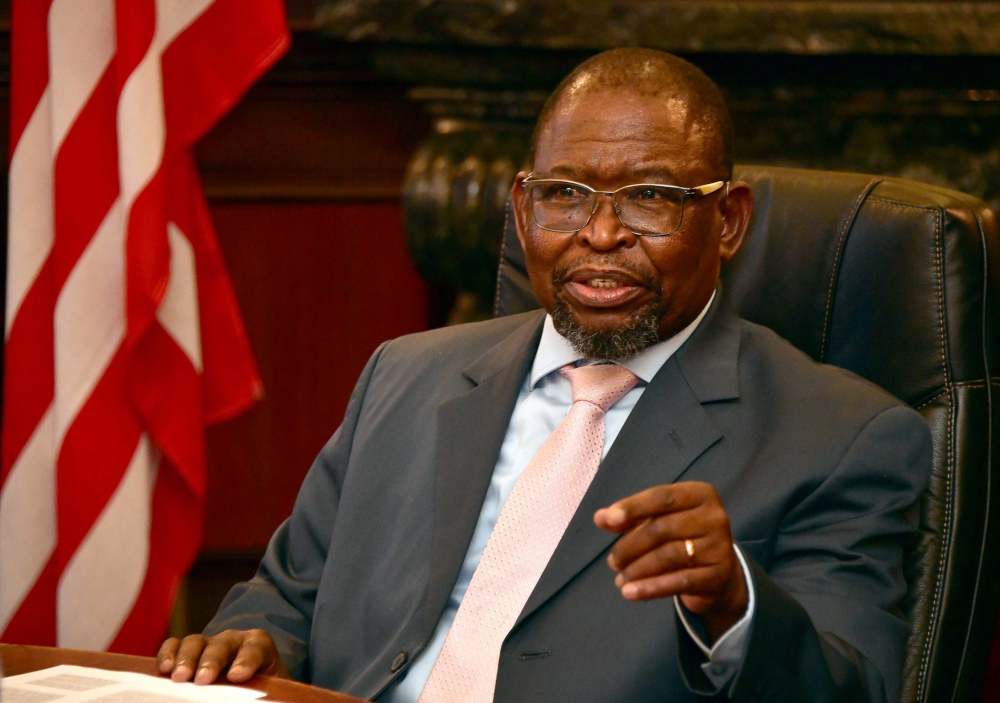
Following engagements with stakeholders, including the Independent Schools Association of Southern Africa (ISASA), the National Treasury made a concession to push back the implementation of the changes.
Instead of coming into effect from next month (January 2026), the implementation date has been delayed to 1 January 2027.
However, the National Treasury made it clear that the changes are coming and schools will have to pay SARS back.
“The proposed VAT amendment will be implemented, with the output tax payments only beginning from 1 January 2027,” Treasury said.
“In the interim, the parties will continue to meet and attempt to find a resolution to the difficulty being faced by some of the schools.”
The department said that proposals have been made that the government give schools amnesty for the erroneous input taxes claimed and not request this to be paid back.
But this is a “broader government-wide consideration”, it said, and not a decision that either the NT tax policy team or SARS can make.
ISASA has taken the proposal to the Department of Basic Education. A response is still pending.
“In the interim, National Treasury is committed to assisting these schools to find a solution. As agreed with ISASA, National Treasury and SARS will further engage with ISASA and their members throughout the 2026 year to find such a solution, before the first instalment is due,” Treasury said.
“The intention of the proposed VAT amendment has always been to assist the schools. In this spirit, National Treasury and SARS will be open to engagements with the schools that are facing administrative or practical difficulties on de-registration, to discuss the possible solutions.”














 Loading ...