

Call to change the name of major province in South Africa


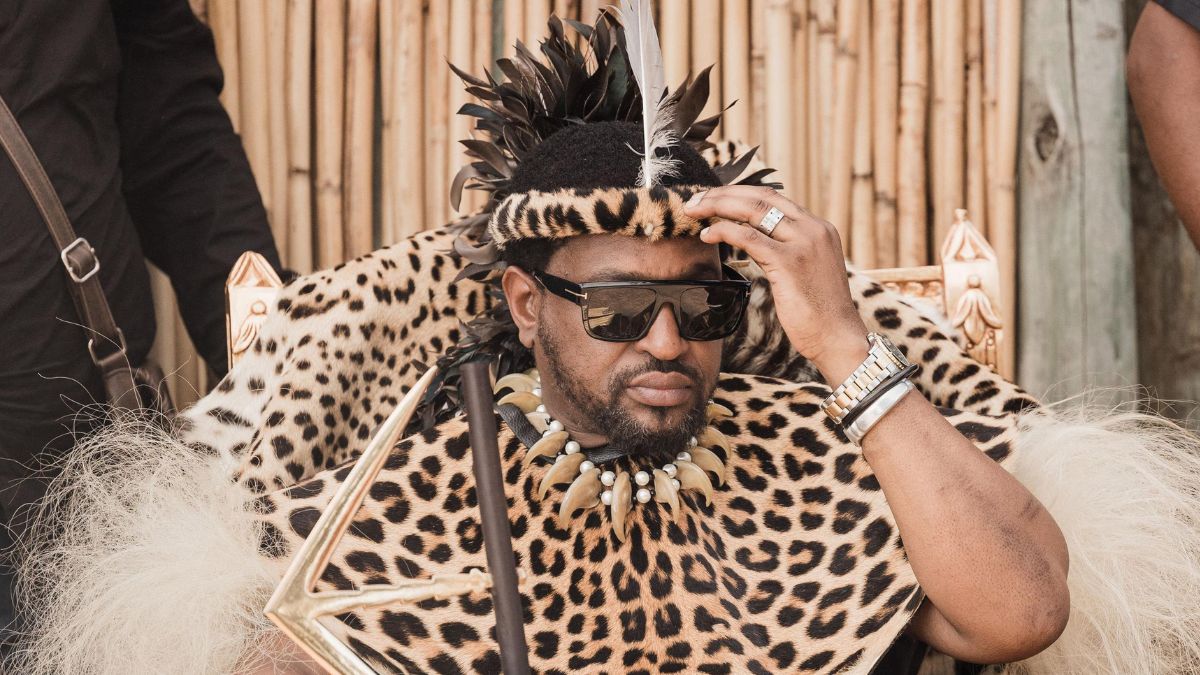
King Misuzulu kaZwelithini has called for KwaZulu-Natal to be renamed, saying the province should be known simply as KwaZulu.
He made the call while speaking at the 147th commemoration of the Battle of Isandlwana in Nquthu, in the north of the province, where he questioned why the name “Natal” is still used.
“We need to remove this Natal. This is KwaZulu, so I don’t understand why we have this Natal,” the king said.
He argued that before colonisation, the area was known as KwaZulu and formed part of the Zulu kingdom, and that the name Natal was later imposed by colonisers.
KwaZulu means “Place of the Zulu” in isiZulu and refers to the ancestral heartland of the Zulu people.
The Zulu Kingdom rose to prominence in the early 19th century under King Shaka and played a central role in the region’s history.
The name Natal has a much older colonial origin. On Christmas Day in 1497, Portuguese explorer Vasco da Gama sailed along South Africa’s southeastern coast and named the area Terra do Natal, or Land of the Nativity, after the Christian holiday.
The name remained in use for centuries, first under Boer control and later as a British colony, before becoming part of South Africa.
The combined name KwaZulu-Natal was adopted in 1994, when South Africa transitioned to democracy.
It was meant to symbolise the merger of the former Natal province and the KwaZulu homeland, and to recognise both the region’s colonial history and its indigenous Zulu heritage.
At the time, the hyphenated name was seen as a compromise that reflected the political and social changes taking place in the country.
The last provincial name change took place in June 2003, when the Northern Province was renamed Limpopo.
After apartheid ended in 1994, South Africa expanded the number of its provinces from four to nine. The Northern Transvaal and surrounding areas were merged to form the Northern Province, a name that was intended to be temporary.
Following public consultations and approval by Parliament, the province was renamed Limpopo, after the Limpopo River, to better reflect the region’s identity and geography.
A highly contentious issue
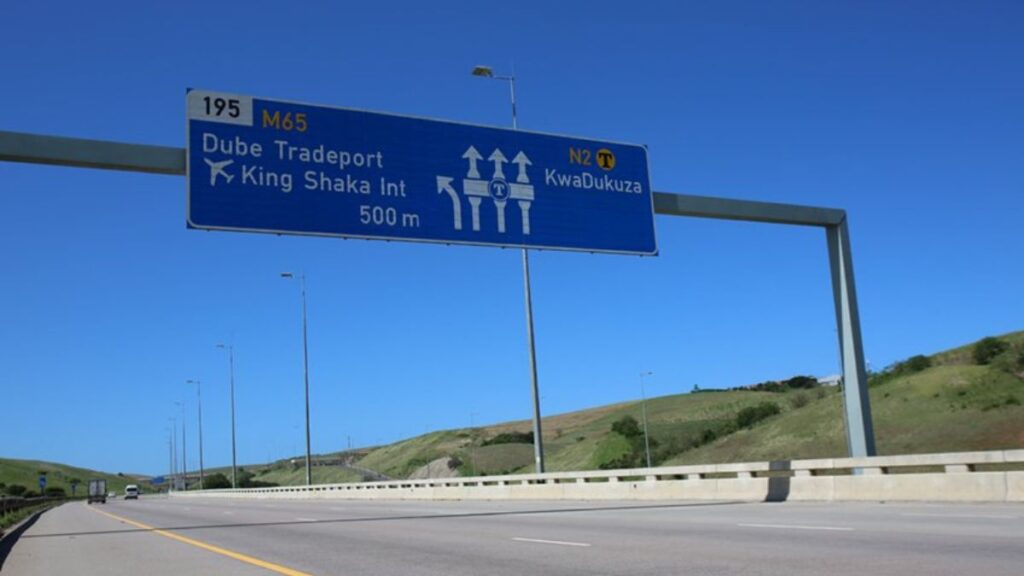
Across the country, name changes have been a major part of post-apartheid transformation. More than 1,500 geographical features, including towns, rivers, roads, mountains, and airports, have been officially renamed.
KwaZulu-Natal has seen the highest number of name changes in democratic South Africa, followed by the Eastern Cape and Limpopo.
Supporters of name changes argue that they are necessary to undo the legacy of colonialism and apartheid, restore indigenous names, and affirm cultural identity.
They see the process as an important step in recognising South Africa’s history before colonial rule and giving dignity to previously marginalised communities.
Critics, however, say name changes are often driven by politics and do not always reflect the views of local residents.
They also raise concerns about cost. The Democratic Alliance has warned that changing names can cost millions of rands, as governments must update road signs, official documents, maps, websites, uniforms, vehicles, and branding.
The party has argued that this places an unnecessary burden on taxpayers.
The DA has said that unless a name is clearly offensive or harmful, it should be retained, adding that retrospective name changes do not build unity and divert resources from more urgent needs.













 Loading ...