

New gambling tax on the cards for South Africa, and bad news for petrol prices next week


The rand appreciated slightly on Friday following the release of a higher-than-expected US inflation report for December.
Investors were also monitoring growing geopolitical tensions between the United States and Iran. The rand was trading at 16.08 against the dollar, which was approximately a 0.4% increase from Thursday’s close, after remaining relatively stable earlier in the session.
The US dollar showed little movement against a range of currencies following the announcement that the Personal Consumption Expenditure (PCE) index, the Federal Reserve’s preferred measure of inflation, rose by 0.4% in December on a month-over-month basis.
This exceeded economists’ expectations of a 0.3% increase. The rand is often influenced by global factors, such as US monetary policy and economic data.
US President Donald Trump warned Iran that it needs to reach an agreement regarding its nuclear program or face serious consequences, suggesting a 10-day deadline before possible US action.
Analysts noted that the US’s stance towards Iran is causing concern among investors, as it could potentially disrupt oil production.
Brent crude oil prices climbed to $72.00 per barrel overnight.
“This situation could keep inflationary pressures high and affect interest rates, which in turn would negatively impact stock markets,” analysts stated.
On the Johannesburg Stock Exchange, the Top-40 index was last reported to be up 1.3%.
As of Monday, 23 February, the rand is trading at R16.02 to the dollar, R21.65 to the pound, and R18.93 to the euro.
Gold is currently valued at $5,156.8 per ounce, while oil prices have risen to $71.02 per barrel.
5 important things happening in South Africa today

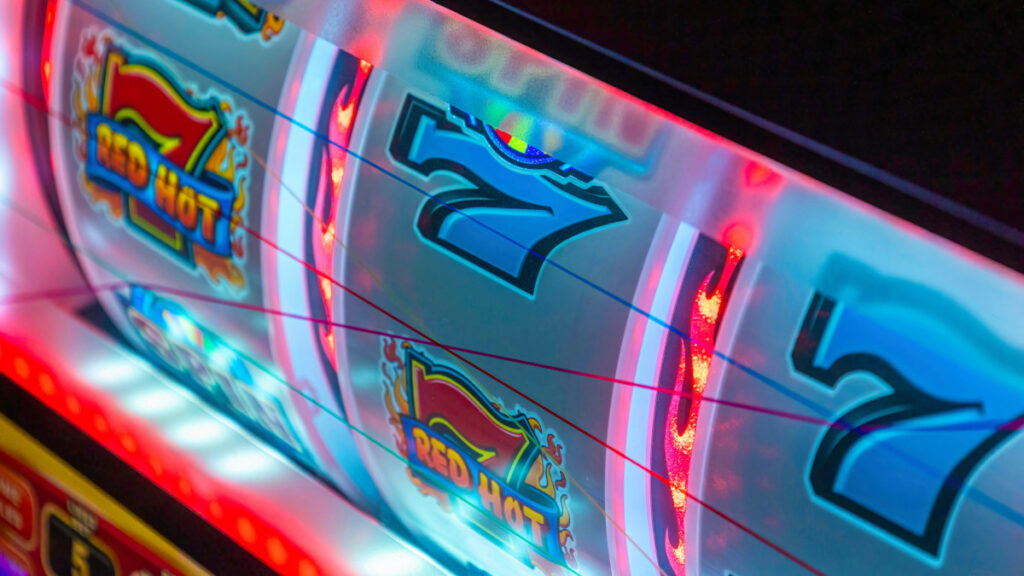
New restrictions on gambling advertising: The Department of Trade, Industry and Competition (DTIC) is developing new rules for gambling advertising, expected to be published by July. The National Treasury has proposed a 20% tax on gross gaming revenue, while the National Gambling Board (NGB) is pushing for better enforcement of advertising laws. A National Gambling Amendment Bill before Parliament suggests reforms to position the NGB as a regulator, enhance national oversight, create a register of unlawful operators, and improve player protection. [Moneyweb]
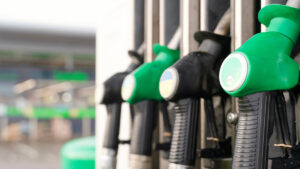
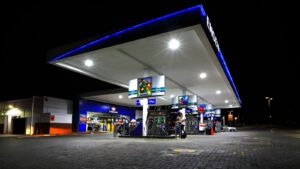
Bad news for petrol users: Fuel recoveries have worsened in the third week of February, suggesting that South Africa is likely to see petrol and diesel prices rise in March 2026. Despite earlier forecasts of a slight price drop, diesel prices have been under-recovering, while petrol recoveries remain precarious. The Central Energy Fund’s forecasts indicate a negative outlook for prices next month, mainly due to rising oil prices. [MyBroadband]
New R3.2 billion Afrikaans University: Construction of Akademia’s R3.2 billion Christian Afrikaans university began in January 2026, aiming to be a world-class institution. Located on a 220-hectare site in Mooiplaats, 8 kilometres from Solomon Mahlangu Drive, the campus will accommodate 5,000 undergraduate and 1,500 postgraduate students. Funding comes from students’ tuition and accommodation fees. [Newsday]
Pick n Pay CEO takes on Boxer: Sean Summers, the Group CEO of Pick n Pay, is set to become the chairperson of the discount retailer Boxer. Although Boxer is listed on the Johannesburg Stock Exchange (JSE) in 2024, it is primarily owned by Pick n Pay. The value retailer has emerged as one of the few successes for the group, which has posted cumulative losses of billions since 2024. [BusinessTech]
Harmful products used by South Africans: New research from the University of the Free State (UFS) reveals that menstrual products used by millions of South Africans contain hormone-disrupting chemicals, despite being marketed as “free from harmful chemicals.” The study found every tested sanitary pad and pantyliner had at least two endocrine-disrupting chemicals (EDCs), raising concerns about consumer safety and long-term health risks. [Mail&Guardian]








 Loading ...